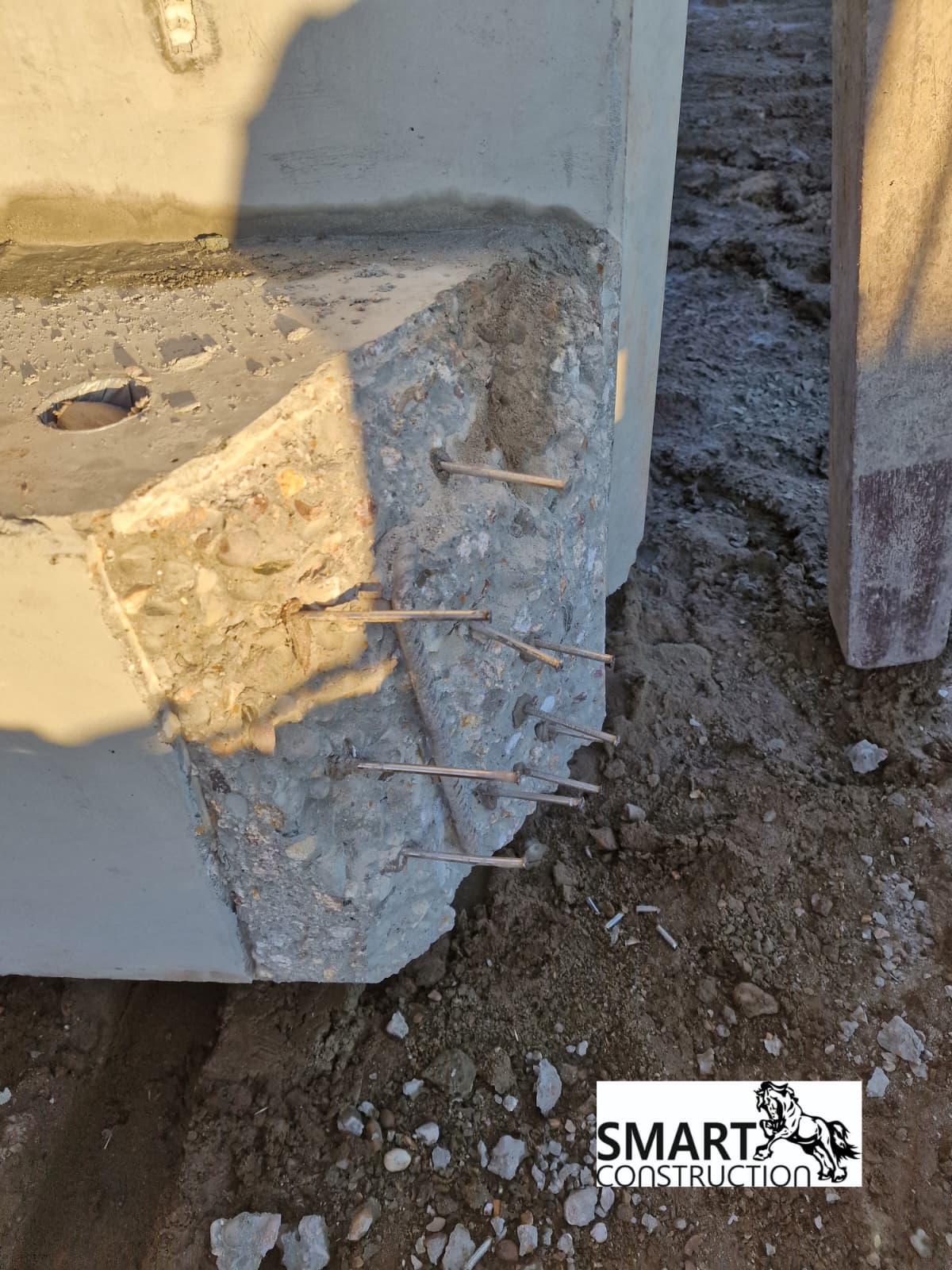
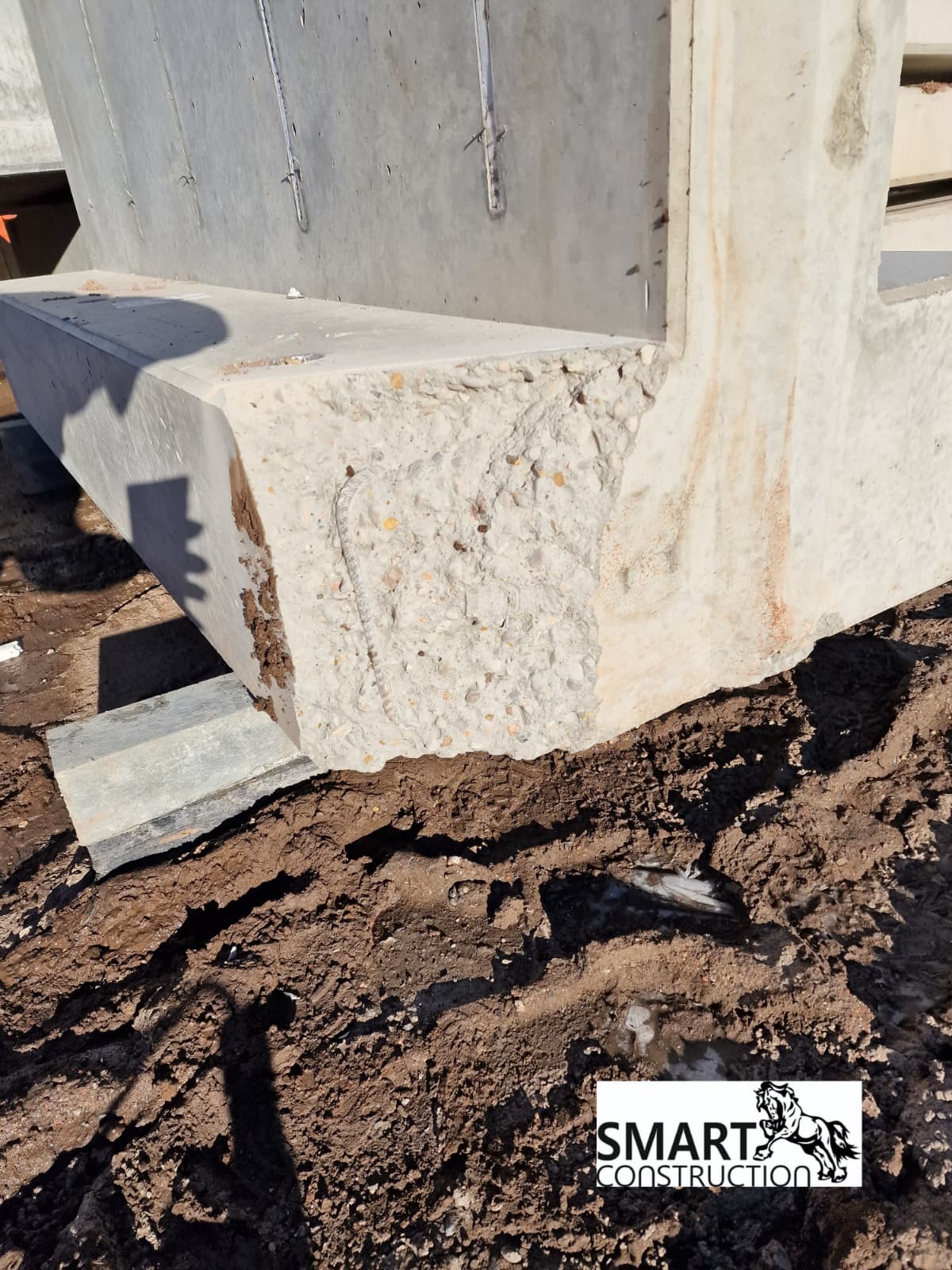
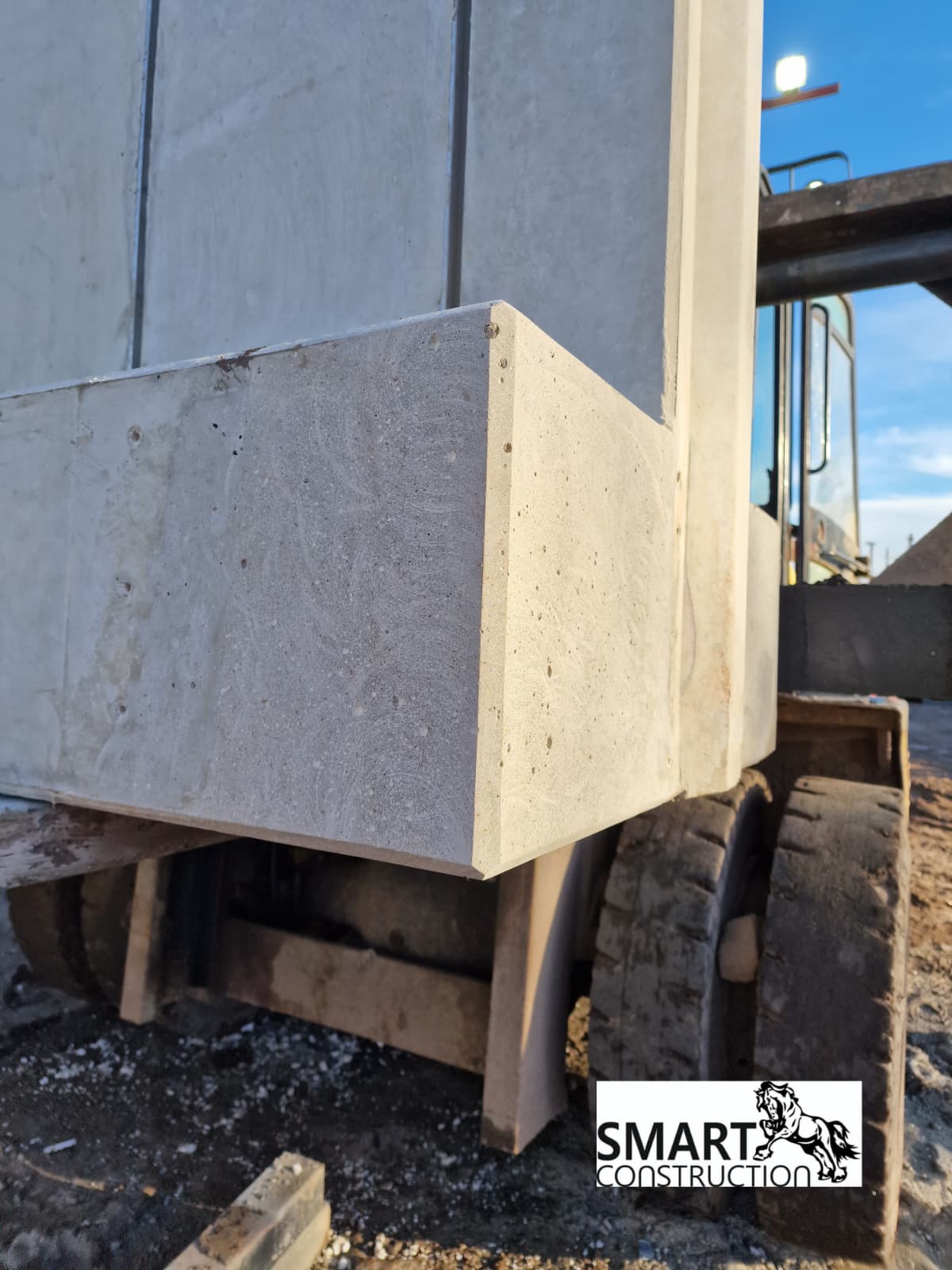
Concrete shape modification (often referred to as shape correction or profiling) is the process of altering, refining, or restoring the geometry of a concrete element so that it meets its intended design, structural performance, and aesthetic requirements. This is a common aspect of specialist concrete repair and finishing works, particularly on structural elements such as beams, columns, slabs, walls, and precast units.
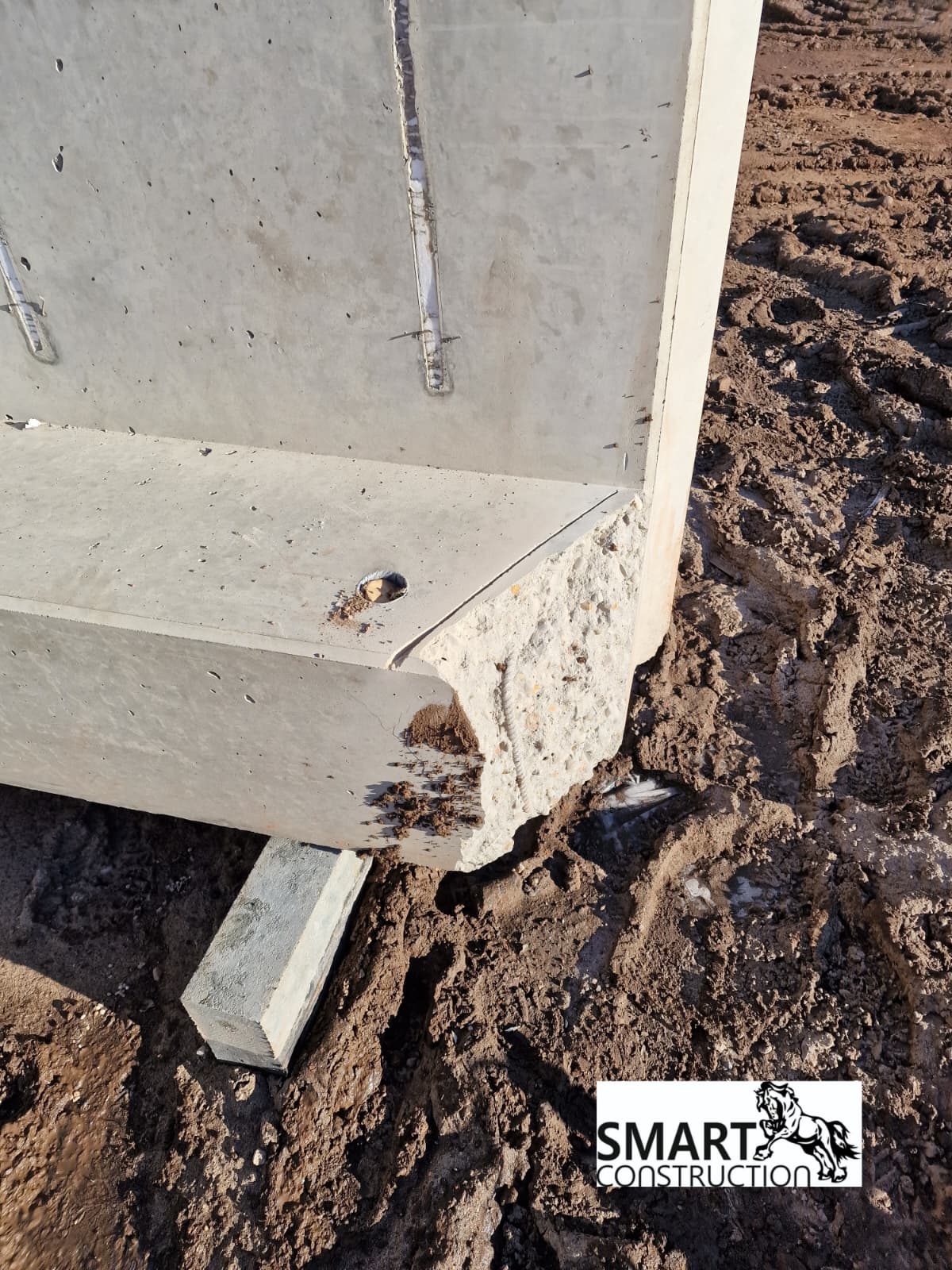
At its core, shape modification is required when the original concrete has defects, deviations, or damage. These issues can arise from poor workmanship, incorrect formwork alignment, movement during curing, impact damage, corrosion-related spalling, or general wear and tear over time. The goal is to bring the concrete back to the correct line, level, plumb, and profile as specified in drawings or engineering tolerances.
The process typically begins with an assessment and survey of the affected area. This may involve visual inspections, measurements, and sometimes laser scanning to identify inconsistencies in dimensions or surface irregularities. Once the extent of deviation is understood, a repair strategy is developed in line with project specifications and structural requirements.
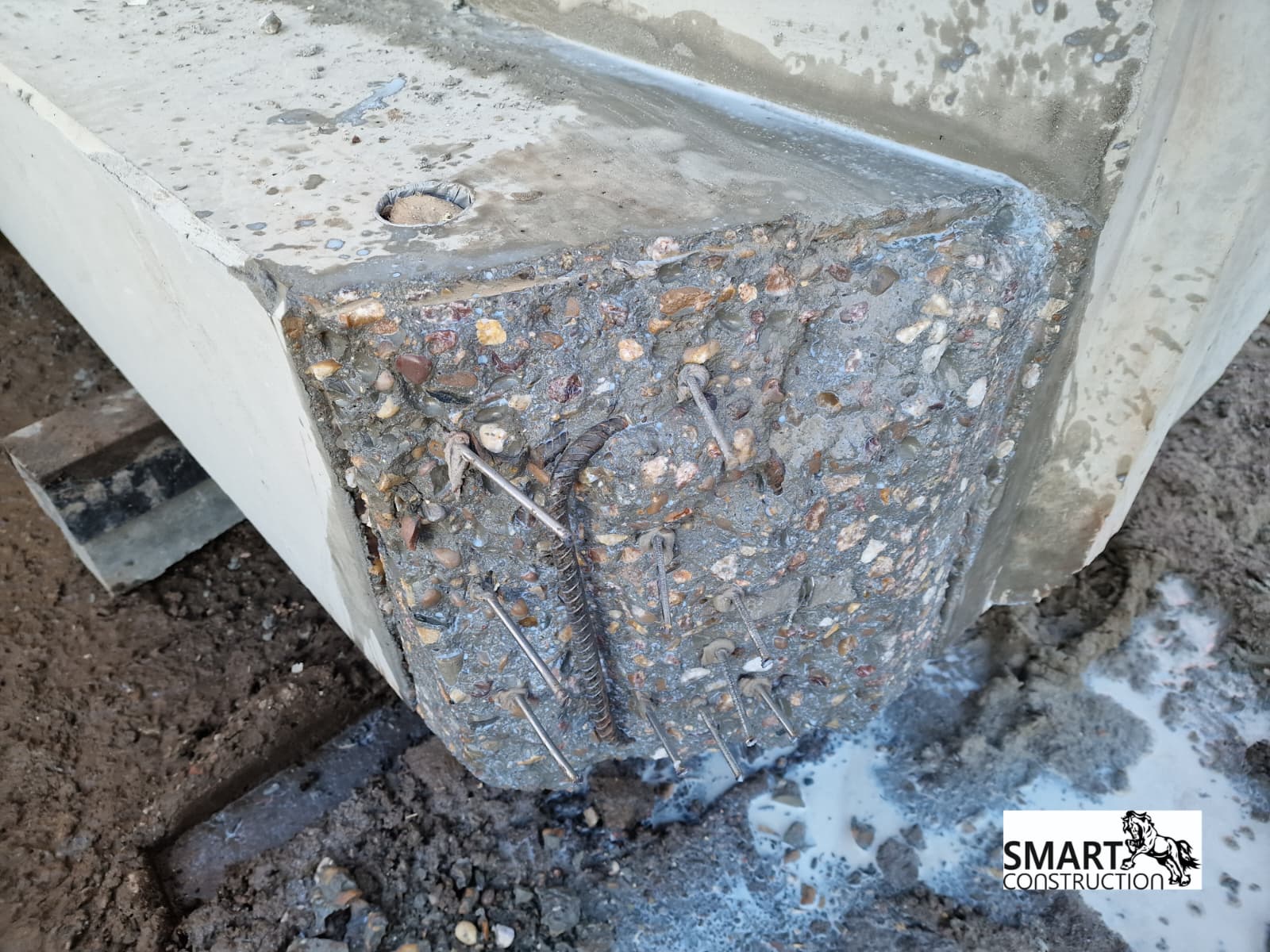
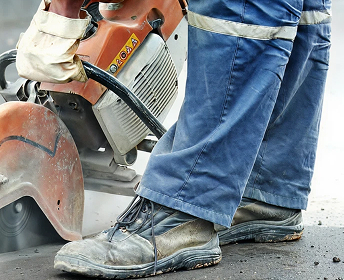
Preparation is a critical stage. Damaged, weak, or contaminated concrete is removed using methods such as mechanical breaking, hydro-demolition, or grinding. Edges are cut back to sound material to create a suitable substrate for bonding. The exposed surface is then cleaned thoroughly to remove dust, laitance, and any contaminants that could compromise adhesion.
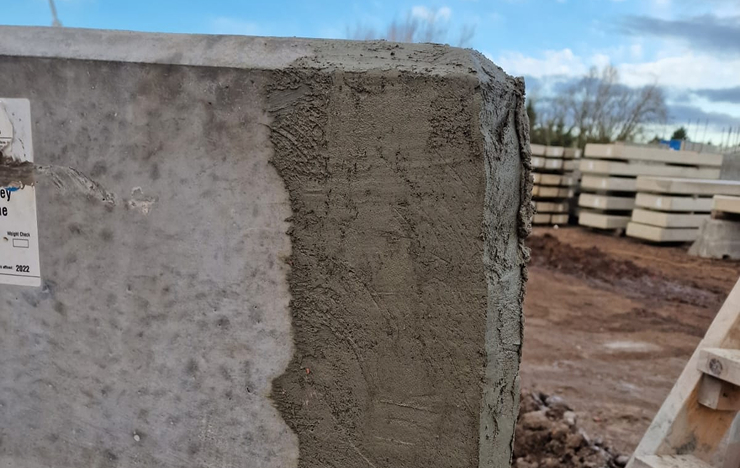
Depending on the required correction, different techniques are used. For minor surface adjustments, grinding or scabbling may be sufficient to reduce high spots and achieve a uniform finish. For more significant build-ups, specialist repair mortars or micro-concretes are applied. These materials are designed to bond strongly to the existing substrate and can be built up in layers to recreate the original profile or achieve a new one.
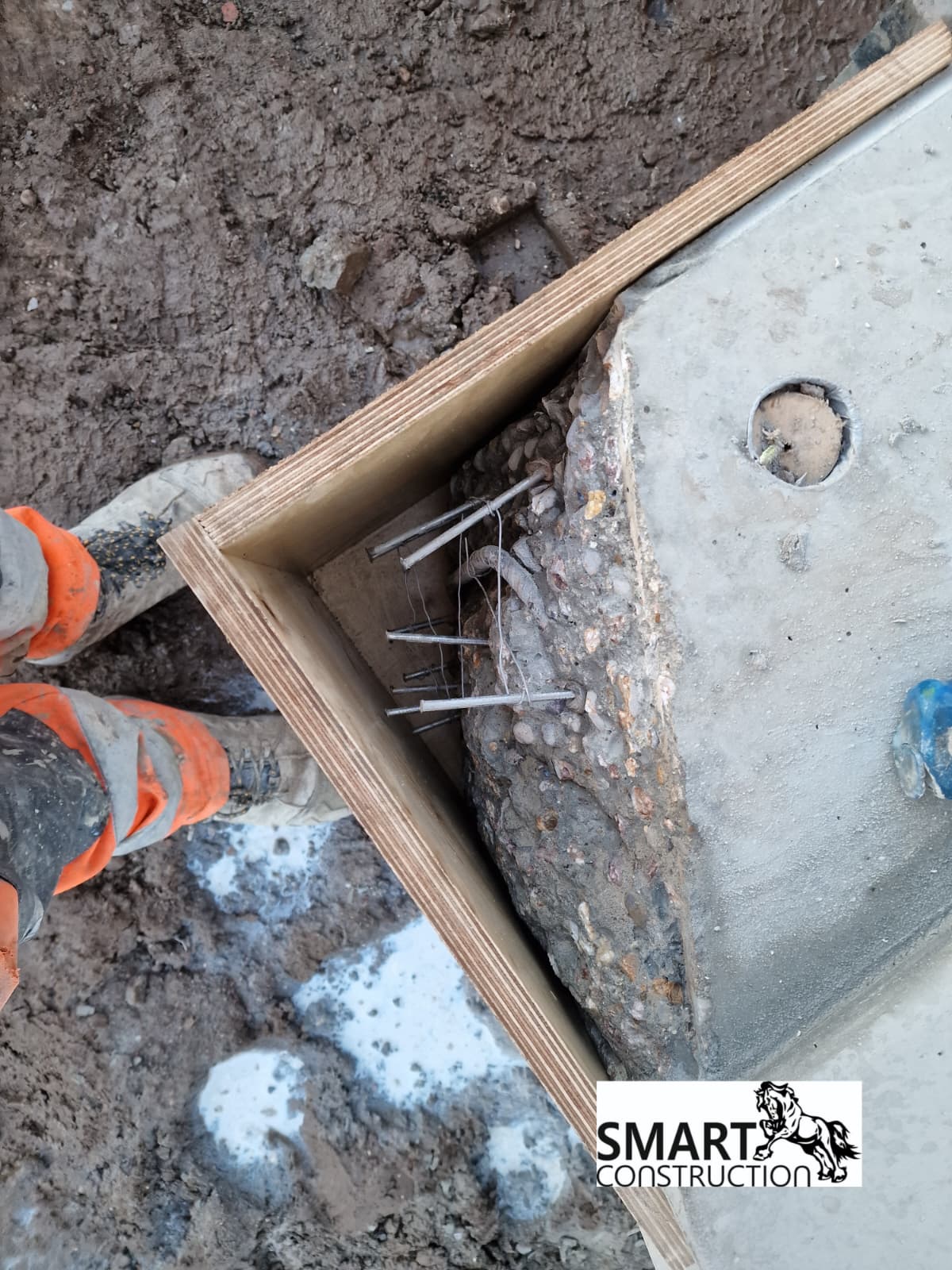
Formwork may be installed where precise geometric control is needed, particularly for structural elements. In such cases, repair materials are poured or hand-applied within the form to achieve accurate dimensions. Skilled operatives then shape and finish the material to match adjacent surfaces, ensuring continuity in appearance and alignment.
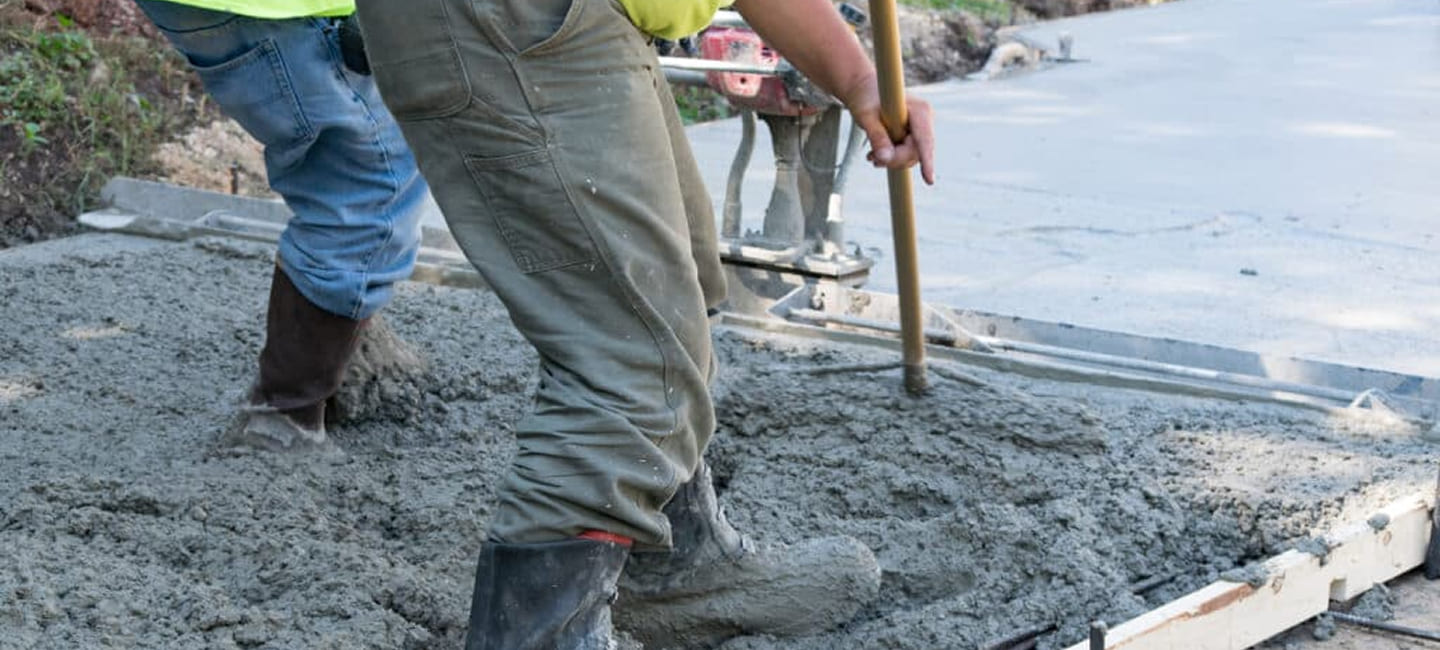
Curing is also an important consideration. Proper curing methods are used to prevent shrinkage, cracking, and debonding of the repair material. This may include the use of curing compounds, protective coverings, or controlled environments.
Quality control checks are carried out throughout the process to ensure compliance with specifications. This includes verifying dimensions, surface finish, and bond integrity. In structural applications, inspections may also involve engineer approval at key stages.
Concrete shape modification is not purely cosmetic—it often has structural implications. Correcting the shape of a beam or column, for example, can be essential for load distribution and overall stability. Additionally, achieving the correct profile ensures compatibility with other construction elements, such as cladding, waterproofing systems, or mechanical installations.
In summary, concrete shape modification/correction is a specialist repair activity that restores or adjusts the geometry of concrete structures. It combines careful assessment, precise preparation, skilled application of repair materials, and strict quality control to ensure the finished result meets both structural and aesthetic standards.