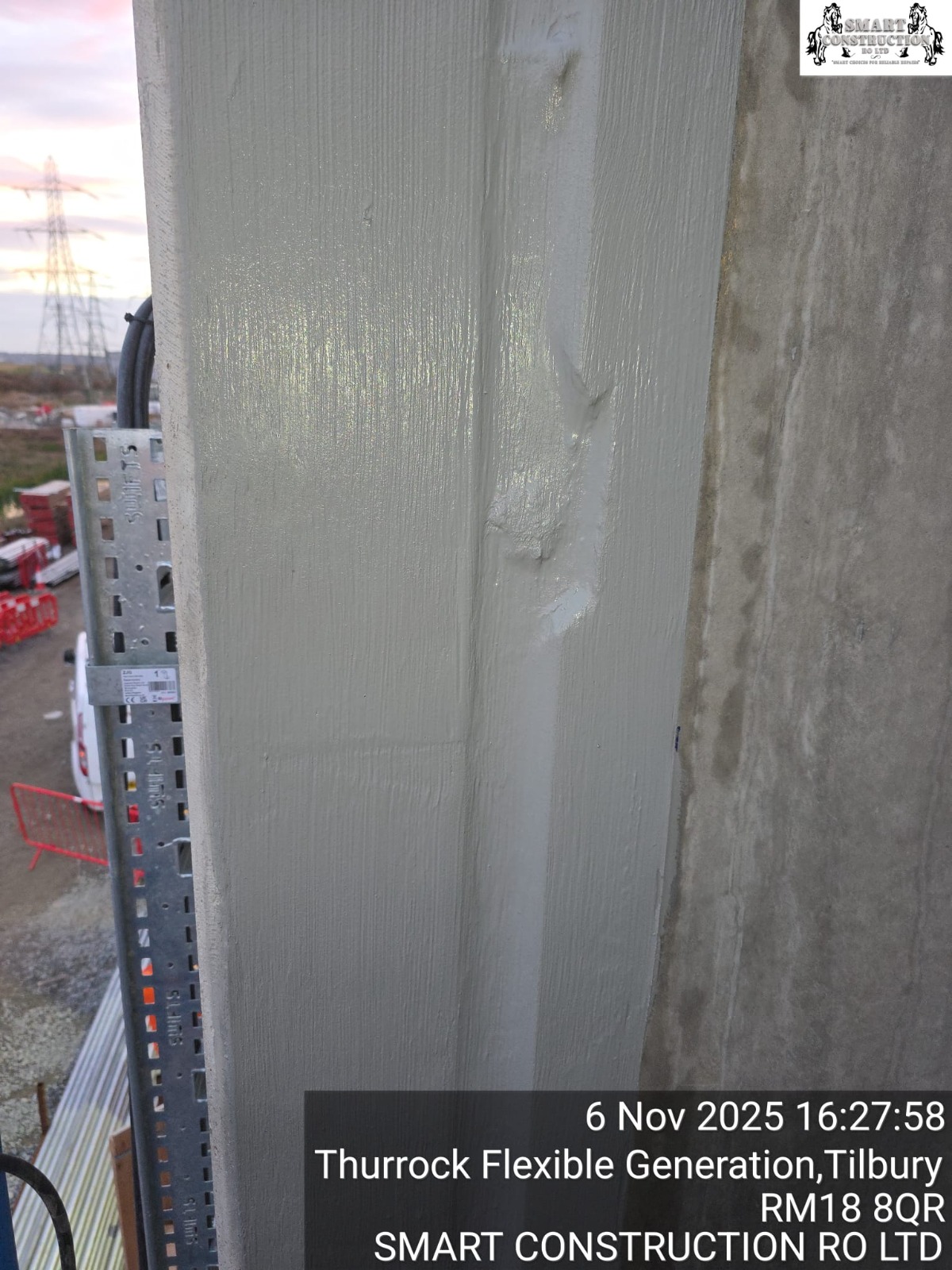
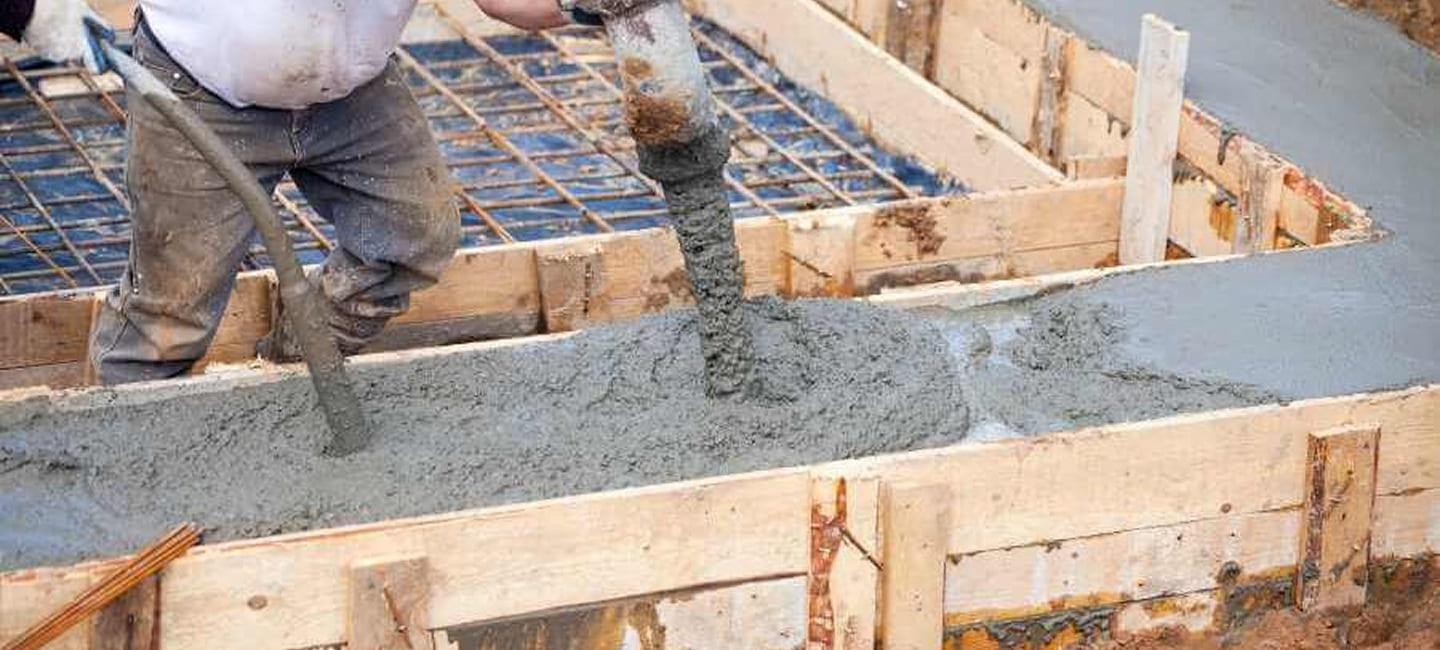
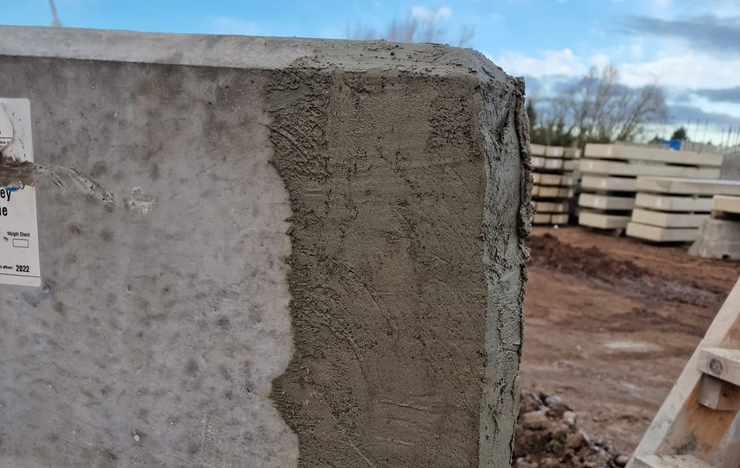
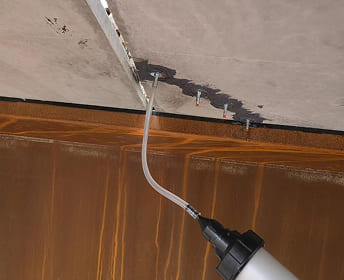
Joint sealing of concrete units and structures is the process of installing flexible sealant systems into joints to prevent the ingress of water, air, chemicals, and debris, while still allowing for movement between adjoining elements. It is a critical component of both new construction and maintenance works, particularly in structures exposed to weathering, traffic, or aggressive environments.
Concrete structures are rarely built as a single continuous element. Instead, they incorporate various types of joints—such as movement (expansion and contraction) joints, construction joints, and isolation joints—to accommodate thermal expansion, shrinkage, settlement, and dynamic loading. Without effective sealing, these joints become vulnerable points where moisture and contaminants can penetrate, leading to issues such as reinforcement corrosion, freeze-thaw damage, and long-term deterioration.
The process of joint sealing typically begins with an assessment of the joint type, size, and expected movement. This is essential to determine the correct sealant material and system design. Factors such as joint width-to-depth ratio, anticipated movement capability, exposure conditions, and compatibility with adjacent materials are all considered at this stage.
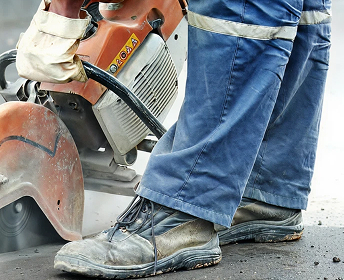
Preparation is one of the most important aspects of successful joint sealing. Existing failed sealants, debris, laitance, and contaminants must be completely removed to expose clean, sound joint faces. This is usually achieved through mechanical methods such as grinding, wire brushing, or abrasive blasting. The joint must then be thoroughly cleaned, often using compressed air or vacuum systems, to ensure optimal adhesion.
A backing material, commonly known as a backer rod, is then installed within the joint. This is typically a closed-cell polyethylene foam that controls the depth of the sealant, prevents three-sided adhesion, and allows the sealant to perform correctly under movement. In some cases, bond breakers or primers are applied to enhance adhesion and performance, depending on the substrate and sealant type.
The sealant itself is then applied. Common materials include polyurethane, polysulfide, silicone, and hybrid sealants, each selected based on performance requirements such as elasticity, chemical resistance, and durability. The sealant is carefully tooled to ensure full contact with the joint faces and to achieve the correct profile, which is typically concave to accommodate movement and shed water effectively.
Curing is a critical phase, during which the sealant develops its full mechanical and elastic properties. Environmental conditions such as temperature and humidity must be controlled or considered to ensure proper curing and long-term performance.
Quality control measures are carried out throughout the process, including checks on joint preparation, correct installation of backer rods, sealant depth, and finish. Poor workmanship at any stage can lead to premature failure, such as adhesion loss, cracking, or cohesive failure within the sealant.
Joint sealing plays a vital role in protecting the durability and service life of concrete structures. By preventing water and contaminant ingress, it helps reduce the risk of reinforcement corrosion and internal damage. It also contributes to the overall performance of the structure by accommodating movement without causing cracking or distress in adjacent concrete elements.
In summary, joint sealing of concrete units and structures is a specialised maintenance and construction activity that ensures joints remain watertight, flexible, and durable. It combines careful assessment, thorough preparation, correct material selection, and skilled application to provide long-lasting protection and performance in a wide range of structural environments.