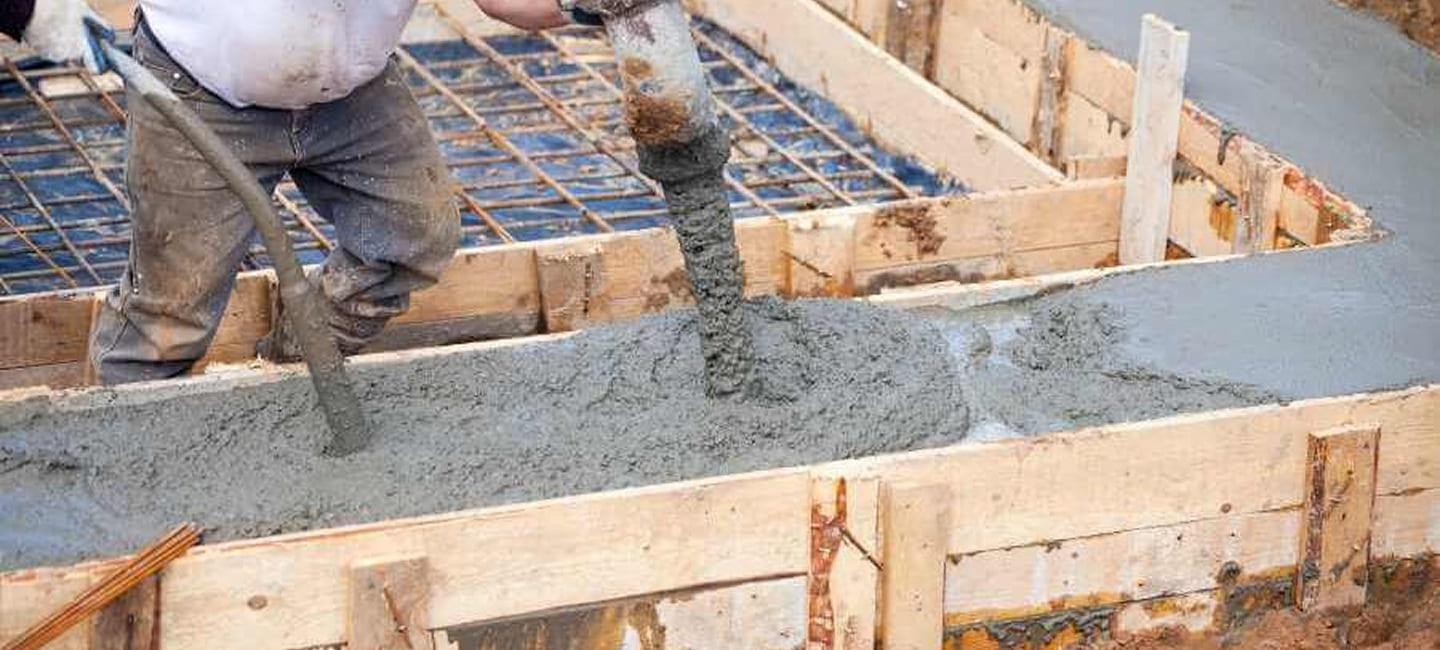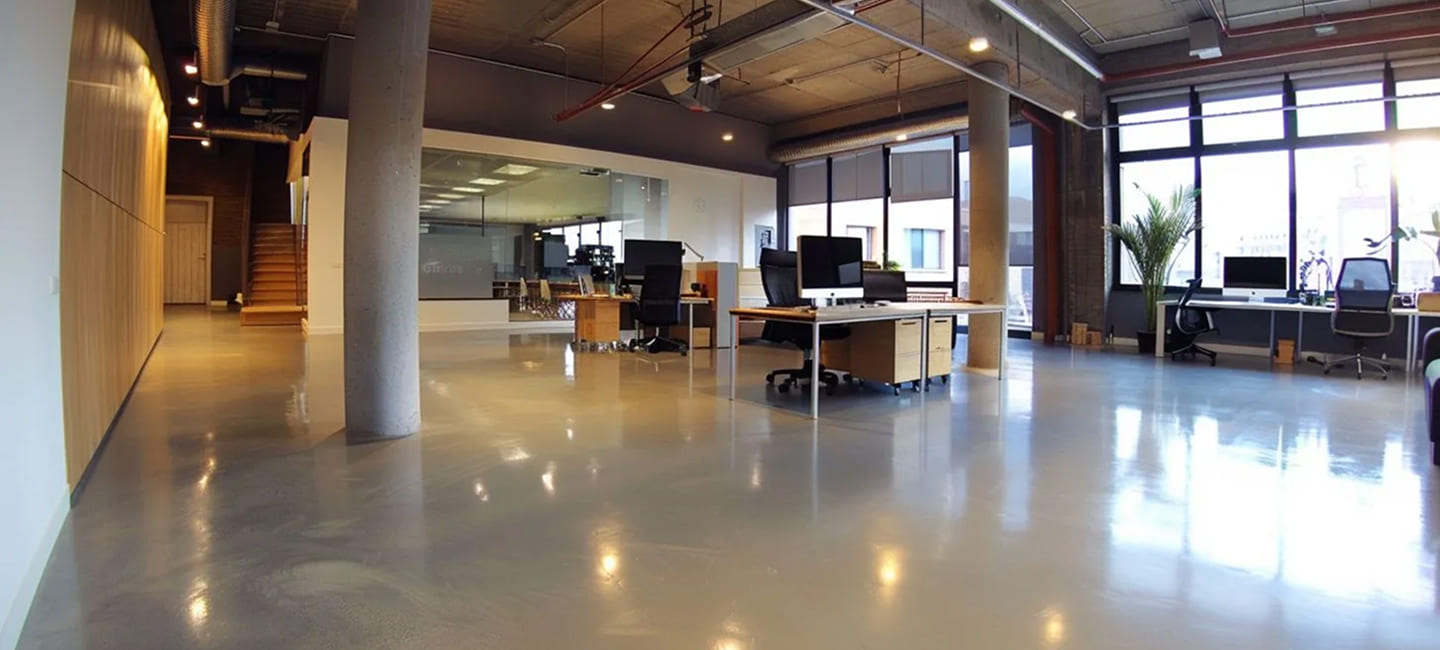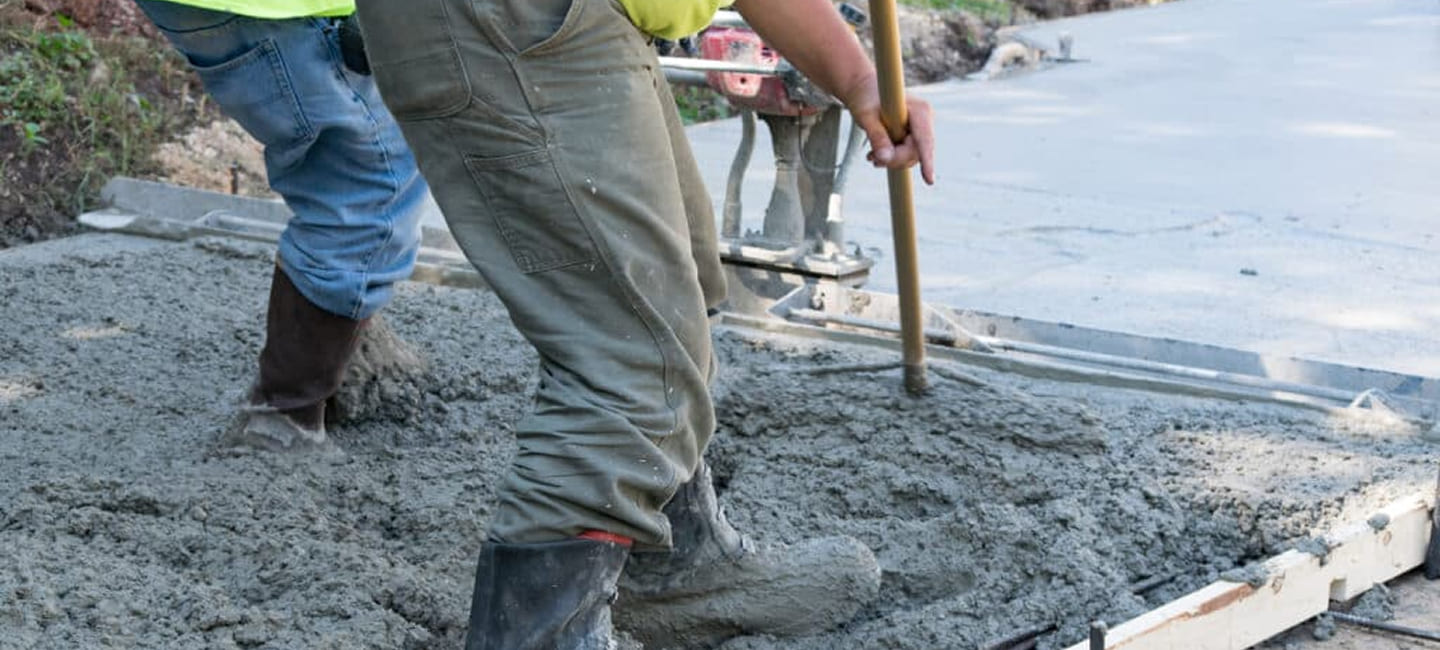
Concrete joints are a critical part of many commercial, industrial and residential concrete structures. They help manage movement, reduce uncontrolled cracking and support the long-term performance of floors, slabs, yards, car parks, warehouses and external concrete areas.
However, when joints are damaged, poorly sealed or left unprotected, they can quickly become a weak point. Water, dirt, chemicals and debris can enter the joint, leading to edge breakdown, cracking, trip hazards and wider concrete deterioration.
That is why choosing the right concrete joint sealing contractor matters. Smart Construction RO LTD provides specialist concrete repair, joint sealing, crack repair, structural repair and concrete finishing services for commercial and industrial projects across the UK.
What Is Concrete Joint Sealing?
Concrete joint sealing is the process of applying a suitable sealant into joints in concrete floors, slabs or structures. The purpose is to protect the joint while still allowing the concrete to move as designed.
Concrete naturally expands, contracts and moves due to temperature changes, loading, drying shrinkage and structural movement. Joints are included to control this movement. Sealing those joints helps prevent water ingress, contamination and edge damage.
The correct sealant depends on the environment, joint type, movement requirements, traffic load and exposure conditions.
Why Concrete Joints Fail
Joint failure is common in busy commercial and industrial environments. Warehouses, factories, logistics units, car parks and service yards all place significant pressure on concrete joints.
Common causes of joint failure include:
- Heavy forklift or vehicle traffic
- Poor original joint preparation
- Incorrect sealant selection
- Ageing or hardened sealant
- Water ingress and freeze-thaw damage
- Chemical exposure
- Impact damage to joint edges
- Movement beyond the sealant’s capability
- Lack of planned maintenance
Once a joint begins to fail, the surrounding concrete can deteriorate. Edges may crumble, cracks may widen and the surface can become uneven. For operational sites, this can affect safety, machinery, cleaning and day-to-day efficiency.
1. Joint Sealing Helps Prevent Water Ingress
Water is one of the main causes of concrete deterioration. When water enters unsealed or damaged joints, it can reach deeper parts of the slab or structure. In external areas, freeze-thaw cycles can make this worse as trapped water expands and contracts.
In reinforced concrete, moisture can also contribute to corrosion of steel reinforcement. Over time, this may lead to cracking, spalling and more serious repair requirements.
Professional joint sealing helps limit water ingress and protects the surrounding concrete from avoidable damage.
2. It Reduces Concrete Floor Damage
Concrete floors in commercial and industrial buildings are often exposed to heavy use. Forklifts, pallet trucks, loading equipment, machinery and regular foot traffic can place repeated stress on joint edges.
When joints are not sealed correctly, the edges can break down. This creates uneven surfaces, debris, impact points and potential hazards. Over time, what starts as minor joint deterioration can become a wider concrete floor repair issue.
For property owners searching for concrete floor repair specialists, damaged joints are often one of the first areas that should be assessed.
3. Joint Sealing Supports Safer Commercial Environments
Damaged joints can create trip hazards, uneven surfaces and rough areas that affect equipment movement. In warehouses and factories, poor joint condition can also increase wear on forklifts, wheels and machinery.
Maintaining sealed, stable and well-finished joints helps support a safer and more efficient working environment. It can also reduce the risk of operational disruption caused by avoidable floor defects.
4. It Improves Hygiene and Cleanability
In some commercial and industrial settings, hygiene and cleanability are essential. Open or damaged joints can collect dust, water, chemicals, food waste, oils and other contaminants.
A properly sealed joint is easier to clean and maintain. This is particularly useful in environments such as food-related facilities, production areas, warehouses, workshops and areas where spill control matters.
5. The Right Contractor Will Choose the Right Sealant
Not all joint sealants perform in the same way. Some are designed for movement, some for chemical resistance, some for heavy traffic, and others for waterproofing or general protection.
A professional concrete finishing contractor will consider the use of the space, expected traffic, joint movement, exposure conditions, curing requirements and long-term performance before selecting the correct material.
Choosing the wrong sealant can lead to early failure, poor adhesion, cracking, debonding or loss of protection. This is why experience matters.
6. Joint Sealing Works Best as Part of Wider Concrete Maintenance
Joint sealing should not be treated in isolation if the surrounding concrete is already damaged. In many cases, the best result comes from combining joint sealing with crack repairs, edge repairs, surface preparation, protective coatings or concrete finishing works.
Smart Construction RO LTD provides a wider range of concrete services, allowing clients to address several related issues through one specialist contractor.
When Should Property Owners Arrange Joint Sealing?
You may need a joint sealing contractor if you notice:
- Missing, cracked or loose joint sealant
- Open joints collecting water or debris
- Crumbling concrete along joint edges
- Uneven floor areas around joints
- Forklift impact damage
- Recurring cracks near joints
- Water ingress through slab joints
- Deterioration in car parks, yards or loading areas
If you are searching for concrete finishing contractors near me, it is worth choosing a contractor that understands both the finishing and repair side of concrete. Joint sealing often sits between these two disciplines because the final finish must be clean, durable and suitable for the way the surface is used.
Concrete Finishing and Joint Sealing: Why They Work Together
A high-quality concrete finish does more than improve appearance. It supports durability, safety and performance. When floors are finished, repaired and sealed correctly, they are better equipped to withstand heavy use.
A specialist concrete finishing contractor can help with floor concrete pouring, wet finishing, surface correction, repair preparation, joint detailing and ongoing maintenance. This is particularly valuable for commercial and industrial projects where the floor must be functional as well as visually acceptable.
Why Choose Smart Construction RO LTD?
Smart Construction RO LTD is a specialist concrete repair and finishing companyserving commercial and industrial projects across the UK. The company provides concrete repair, concrete finishing, joint sealing, crack repairs, structural repairs, diamond cutting, core drilling, resin fixing, concrete protective coatings, shape correction, survey and inspection, and structure maintenance.
The team works with commercial developments, industrial facilities, precast concrete manufacturers, contractors, developers, warehouses, factories and civil engineering projects. Their approach focuses on consultation, planning, precise execution and completion to a high standard.
For property owners who need concrete floor repair specialists or a reliable concrete finishing contractor, Smart Construction RO LTD provides practical expertise and specialist workmanship.
Need Concrete Joint Sealing Contractors in the UK?
Damaged or unsealed concrete joints should not be ignored. Early joint sealing can help protect concrete floors, reduce repair costs and improve the long-term performance of the surface.
ContactSmart Construction RO LTD to discuss concrete joint sealing, concrete finishing or concrete floor repairs for your commercial or industrial project.