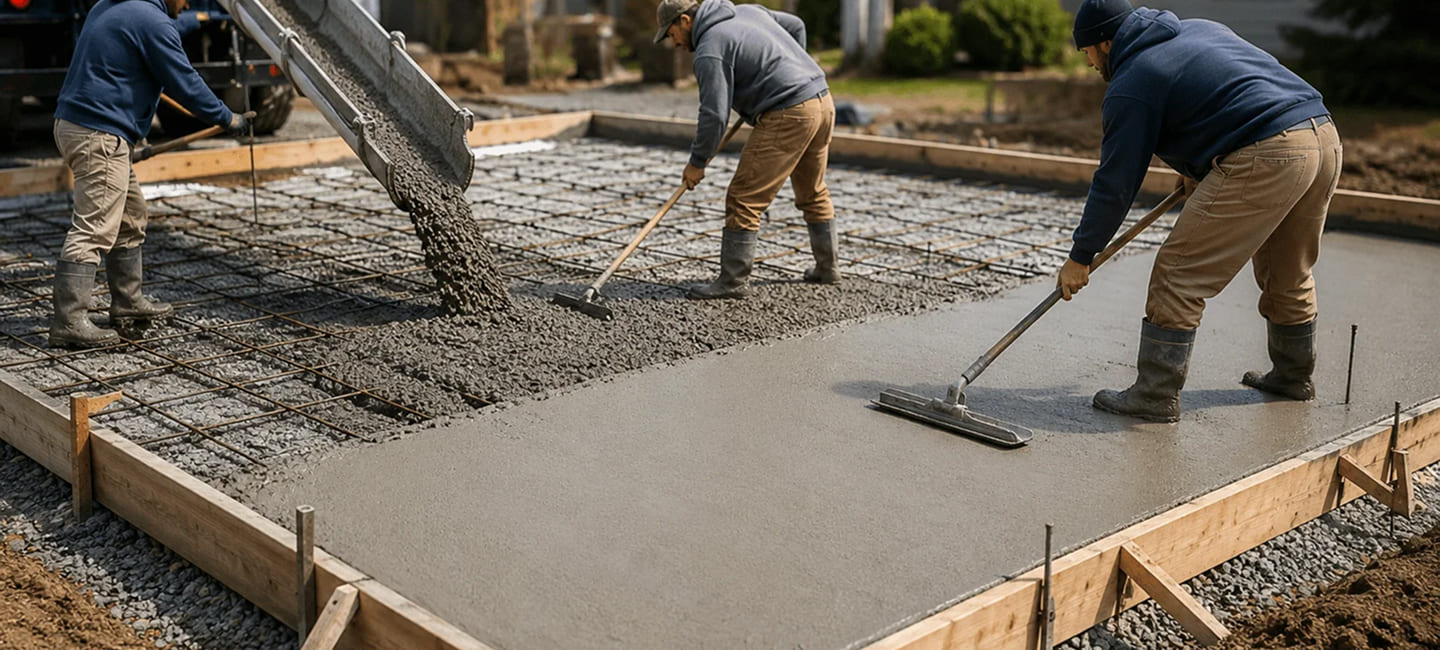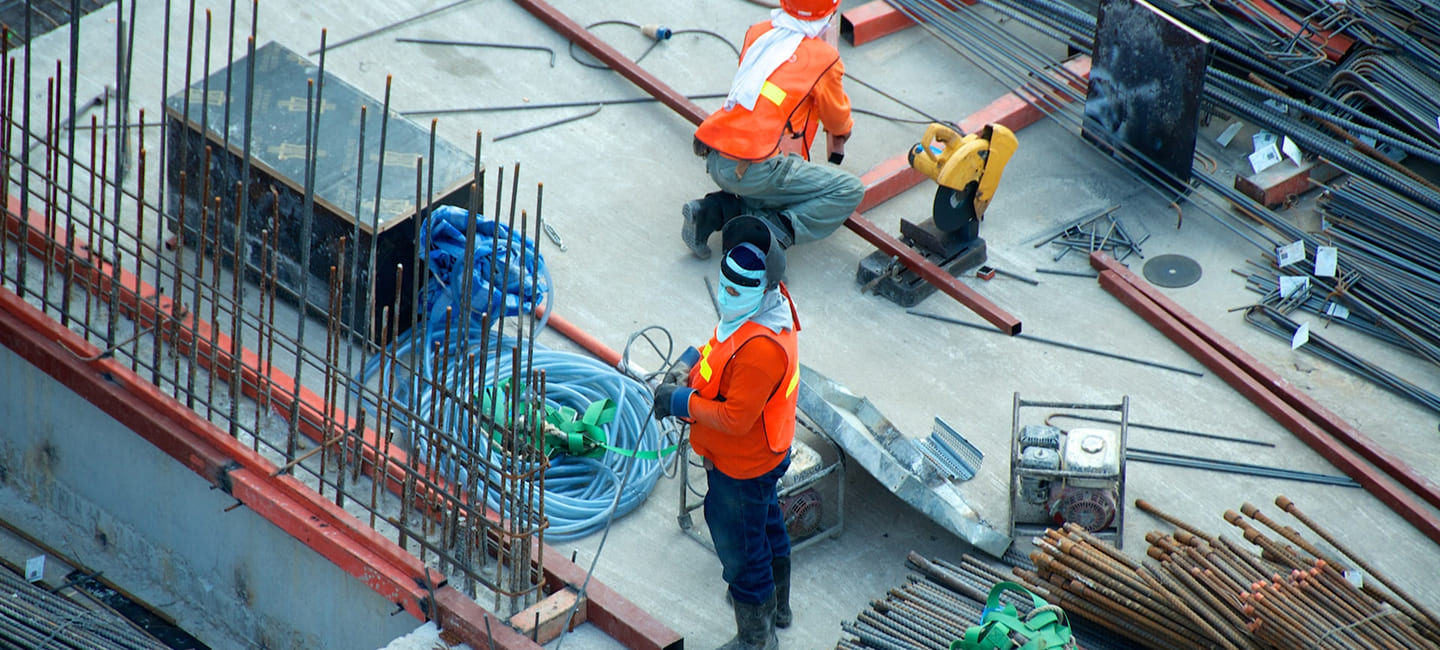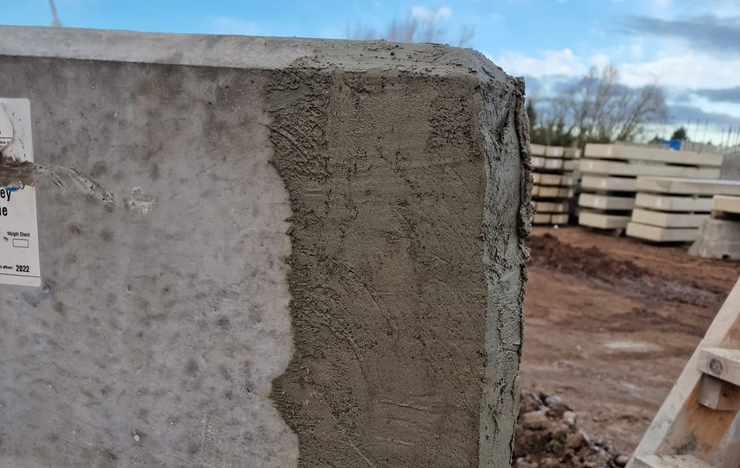





Wet finishing of concrete is the process of treating and refining the surface of freshly placed (plastic) concrete before it has hardened, in order to achieve the required texture, level, durability, and appearance. At Smart Construction RO LTD, it is a critical stage in concrete works, particularly for slabs and floors, where the final surface performance is directly influenced by the quality of finishing carried out while the concrete is still workable.
The process begins immediately after the concrete has been placed, spread, and compacted. At this stage, the surface typically contains excess moisture, known as bleed water, which rises to the top as the heavier aggregates settle. Timing is essential in wet finishing—work must not begin too early while bleed water is still present, as this can weaken the surface, nor too late when the concrete has begun to stiffen and is difficult to work.
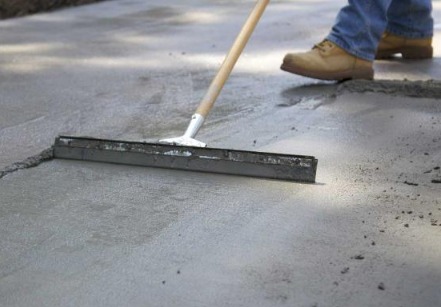
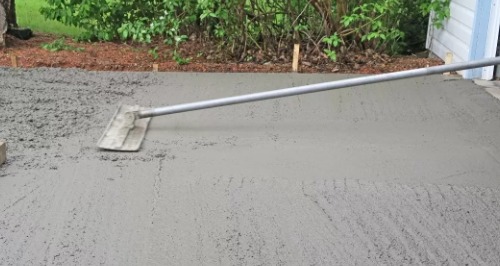
Initial finishing usually involves screeding, where the surface is levelled to the correct height and profile using straightedges or vibrating screeds. This ensures the slab meets specified tolerances for flatness and thickness. Following this, a bull float or darby is used to smooth the surface and embed larger aggregates slightly below the surface, creating a more uniform layer for final finishing.
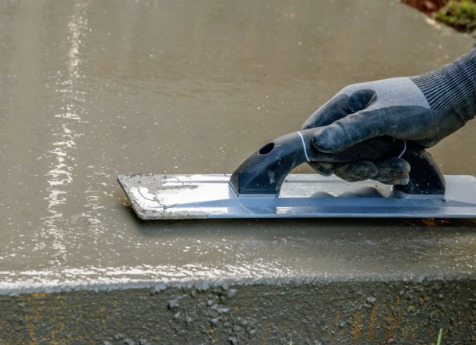
As the concrete begins to set and lose its surface moisture, further finishing operations are carried out depending on the required end result. Power floating is commonly used for larger floor areas, where rotating blades compact and smooth the surface, increasing density and improving durability. Hand trowelling may also be used for edges, smaller areas, or detailed work to achieve a smooth, tight finish.
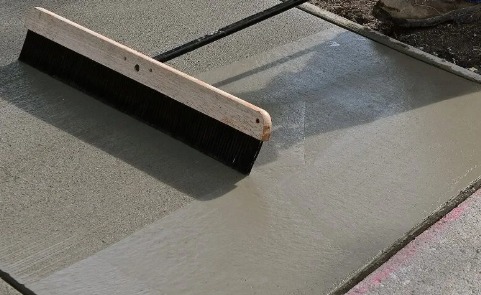
Different types of wet finishes can be applied based on the intended use of the concrete. A smooth, trowelled finish is often used for internal floors where a clean, level surface is required. A brushed or broom finish is commonly applied to external slabs to provide slip resistance. Other finishes, such as exposed aggregate or patterned surfaces, can also be achieved during the wet stage through specialised techniques.
Throughout the wet finishing process, careful control is required to avoid common defects. Overworking the surface, especially by adding water to aid finishing, can lead to laitance formation, dusting, or surface scaling. Uneven finishing can result in poor flatness or visual inconsistencies, while incorrect timing can cause tearing or delamination of the surface layer.
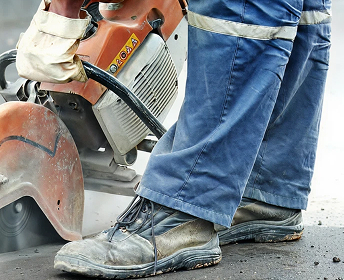
Jointing is often incorporated as part of the finishing process. For floor slabs, control joints may be formed or saw-cut shortly after finishing to manage shrinkage and reduce the risk of random cracking. Edges and corners are also finished carefully to prevent chipping and ensure durability.
Curing follows immediately after wet finishing is complete. Proper curing is essential to protect the finished surface, allowing the concrete to gain strength and reducing the risk of shrinkage cracking. This may involve the application of curing compounds, water curing, or covering the surface with protective sheeting.
Wet finishing is not only about appearance—it has a direct impact on the long-term performance of the concrete. A well-finished surface will be more resistant to wear, abrasion, and environmental exposure, while a poorly finished surface can lead to premature deterioration and increased maintenance requirements.
In summary, wet finishing of concrete is a skilled and time-sensitive process carried out on freshly placed concrete to achieve the desired surface quality and performance. It combines proper timing, appropriate tools, and experienced workmanship to produce a durable, functional, and visually acceptable finish that meets the demands of the intended application.
Why Choose Us
Focused purely on concrete repair & finishing.
Industry-recognised repair systems.
On time, high quality, minimal disruption.
Proven experience on large projects.
Works in yards & on-site.
Trusted By
We provide specialist concrete services for:
OUR BLOG

Concrete looks easy once it’s down. Getting there without cracks or dips? That’s the hard part. That’s the job of a concrete finishing contractor. Pick the wrong one, and you won’t know it for months. This guide covers what actually separates a solid contractor from a risky one. Doesn’t matter if it’s a warehouse floor […]

Multi-storey and podium car parks are exposed to rain, vehicle loads, de-icing salts, oil, movement and constant abrasion. Water penetrating cracks and failed joints can damage reinforcement, leak into occupied areas and create slippery or degraded surfaces. Waterproofing is therefore part of a wider asset-maintenance strategy. Coatings, joints, drainage and concrete repairs need to work […]

Concrete rarely fails without warning. A hairline crack today can turn into a costly structural problem within a year if it’s left alone. The tricky par t isn’t spotting that something’s wrong, it’s finding someone trustworthy to fix it.With so many concrete repair contractors advertising their services across the UK, picking the right one takes […]