Three trades can touch concrete on a commercial site. They often get lumped together, and that muddle costs real money. The question comes up a lot: what does a concrete contractor do? This guide answers it. Then it shows where the groundworker and the repair team fit in.
The Short Answer
Think of it as a relay race. Each trade runs one leg.
- Groundworker. Gets the ground ready. Digging, drains and a firm base are all theirs.
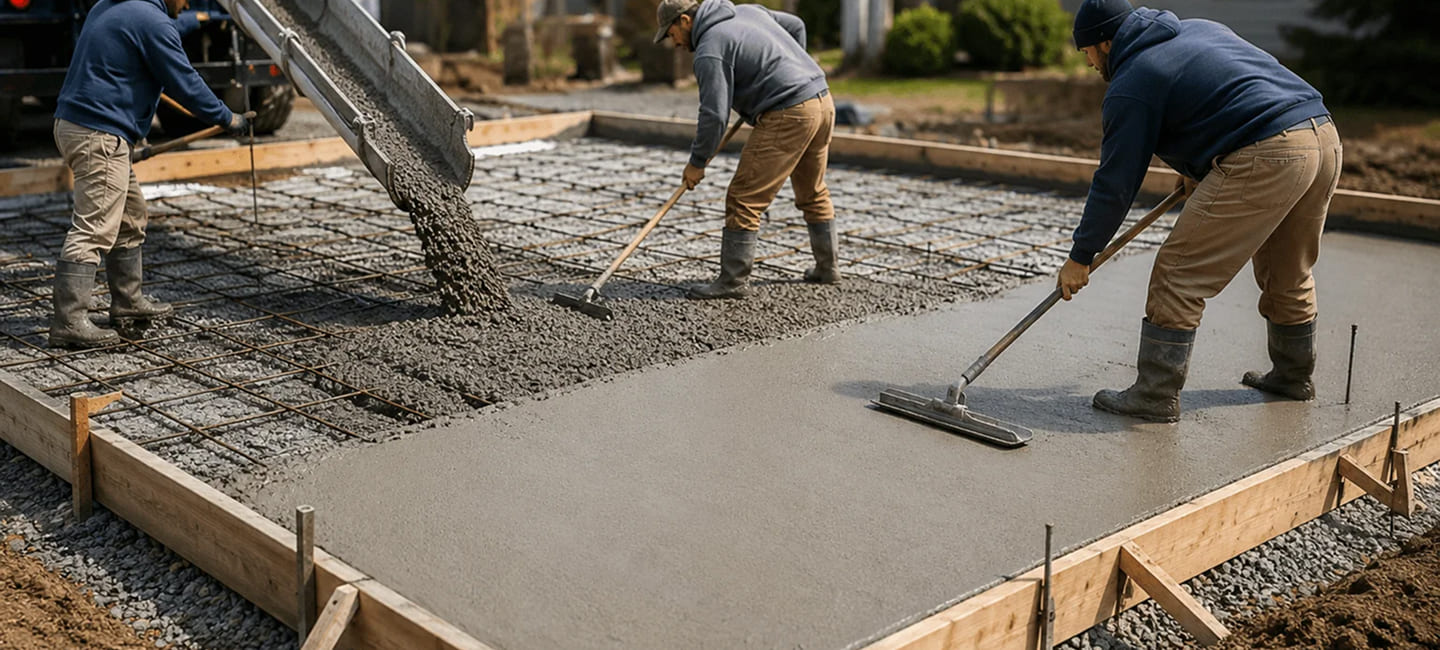
- Concrete contractor. Takes over once the base is done. They pour the slab, level it and finish the top.
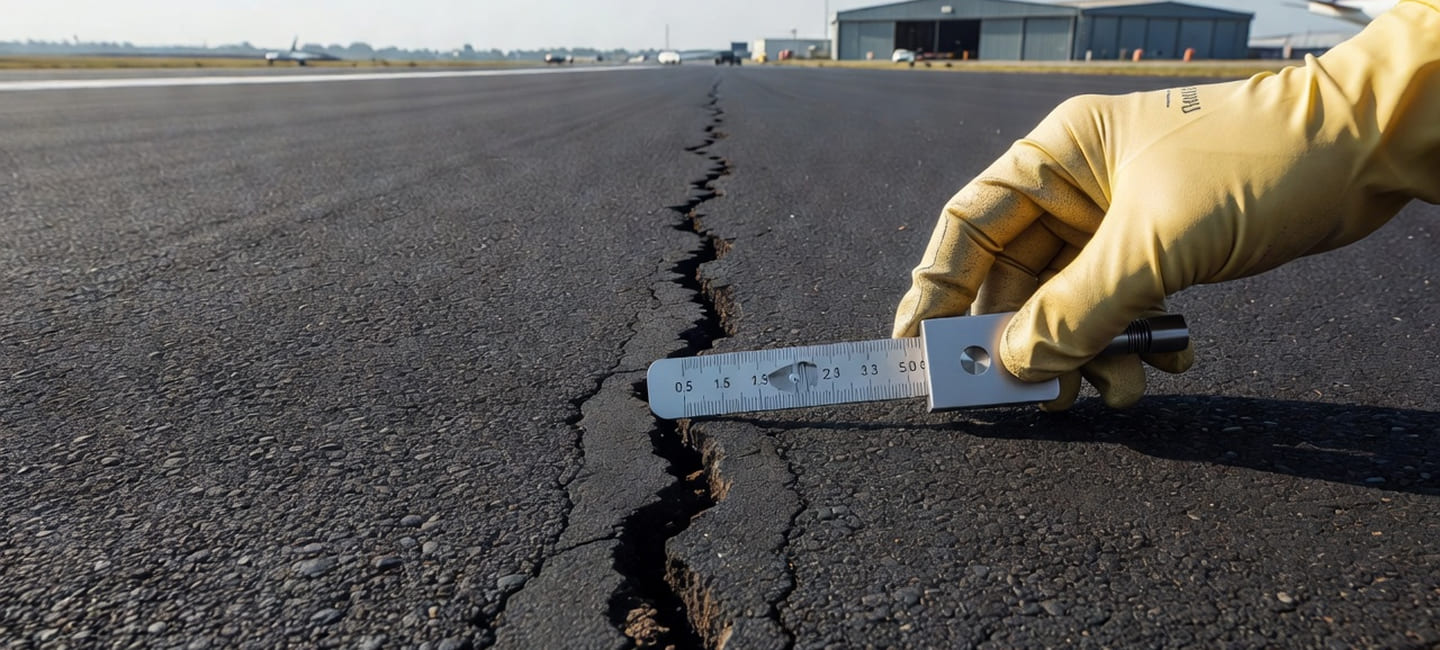
- Repair specialist. Arrives later, once wear or damage shows up. Cracks, split joints and chipped edges are their patch.
That is the groundworker vs concrete contractor split in a nutshell.
The Groundworker Goes First
Before any concrete turns up, the groundworker has been busy. They clear the site and dig out soft soil. They lay pipes and drains, then pack down a solid base.
It sounds dull, but it matters. Put the best concrete on a poor base and it will still crack. A floor is only as good as what sits under it.
The Concrete Contractor Comes Next
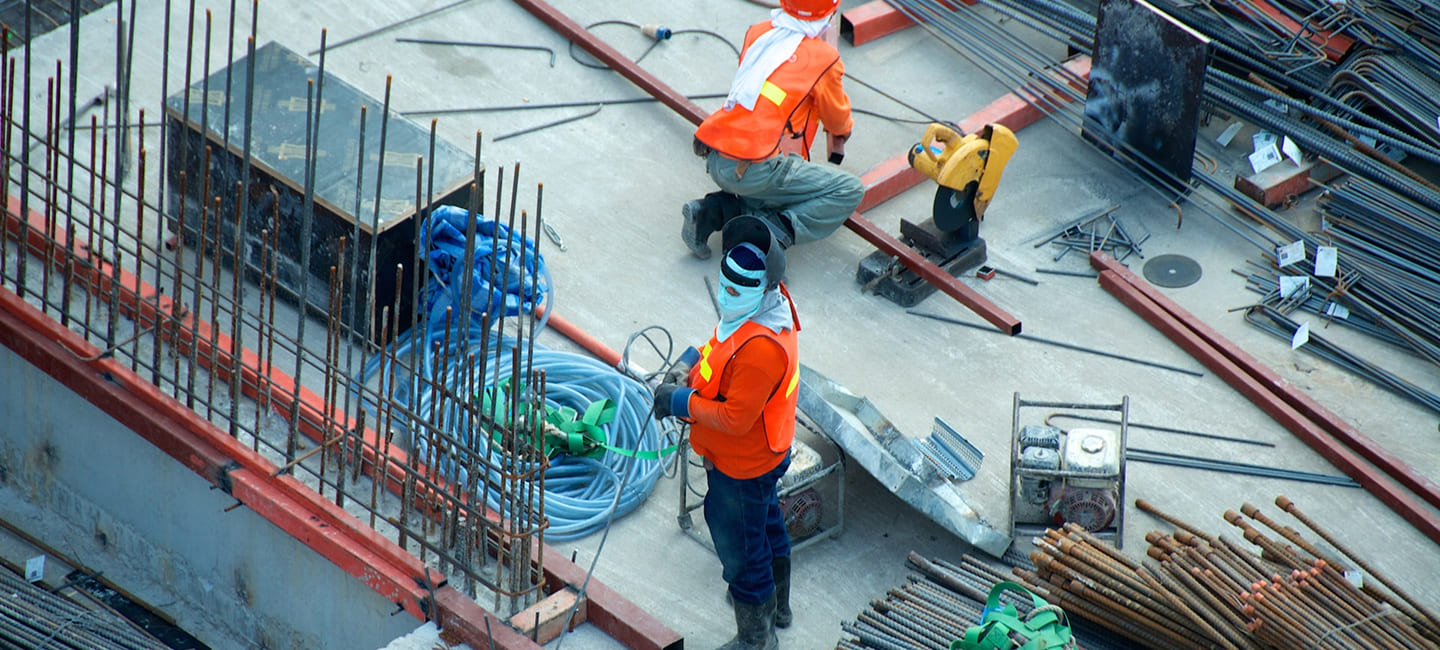
Now it’s the concrete team’s turn. They set up edge moulds to hold the wet mix. If the design calls for steel mesh or bars, they fit that too. Then the pour begins, and the slab gets levelled.
The finish is where skill shows. A good concrete finishing contractor watches the surface closely as it stiffens. Work it too soon and it turns weak. Wait too long and it won’t smooth out.
You’ll find this trade on floors, ramps, bases and walls. In a warehouse, the flatness of the floor decides how smoothly forklifts run.
The Repair Specialist Comes Last
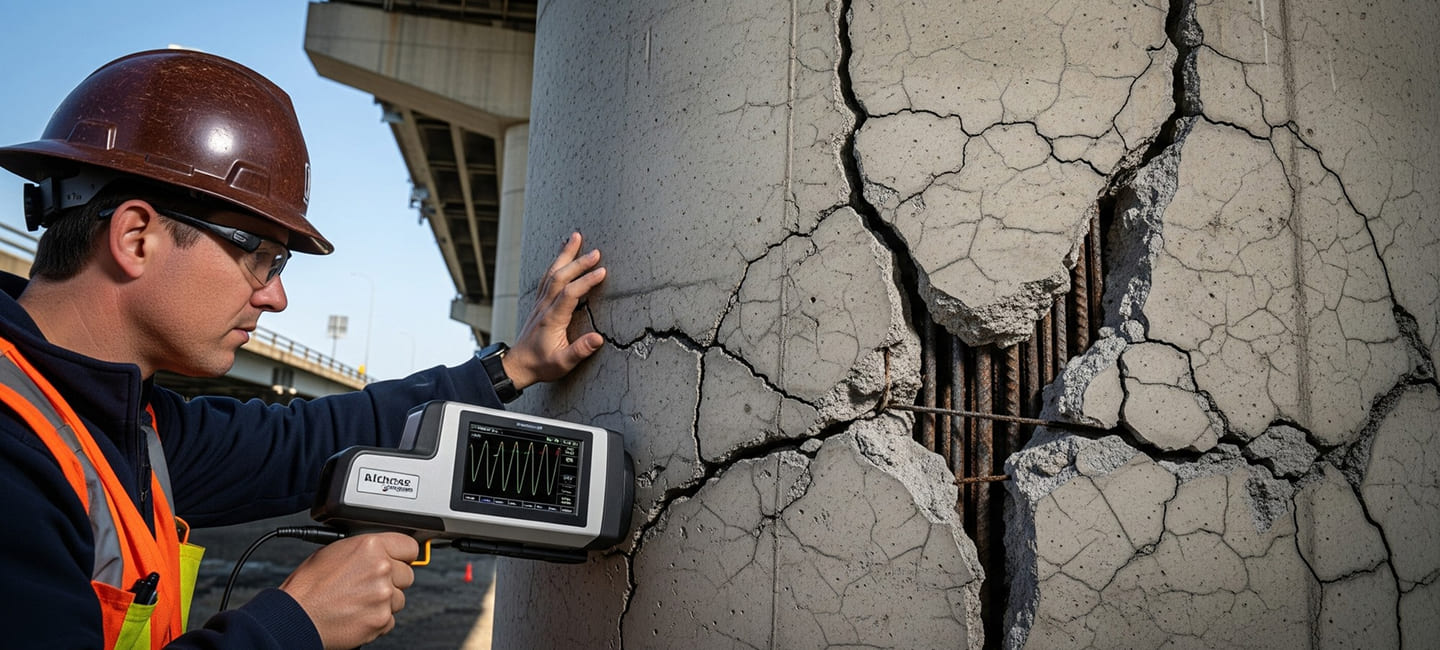
Concrete ages. Trucks grind it down. Water creeps in through small cracks. Joints split open. Rusting steel inside can even push the top layer off.
A commercial concrete repair contractor starts by finding out why the damage happened. Then they cut back the weak concrete and rebuild it with a suitable repair system. They also seal joints and add protection, so the problem doesn’t come back.
How the Trades Fit Together on One Job
Picture a new warehouse. The groundworker goes in first with the drains and the base. The concrete team pours the floor next. It cures for a few weeks, then racking and machines arrive.
Months later, a forklift lane starts to chip. A joint opens near a dock door. That’s when the repair team gets the call, often to work in short gaps between shifts.
Every trade hands over to the next. The best firms share levels, joint plans and dates. Most trouble starts at those hand-overs.
Why Mixing Up the Trades Costs Money
Ring the wrong trade and you lose days. A groundworker can’t fix a failed floor joint. A repair team won’t dig your drains. Each one has different tools and training.
Other trades pay for the delay too. Racking crews, painters and machine fitters all wait on the floor. One late pour can push back the handover for everyone. Knowing who does what saves that headache.
Quick Guide: Who Do You Call?
- A new warehouse floor: a groundworker first, then a concrete contractor.
- A crack in a loading bay: a repair specialist.
- A trench for new drains: a groundworker.
- A worn, dusty floor: a repair and finishing team.
- A round hole through a slab for a pipe: a core drilling contractor.
Some firms cover more than one job. That means one contract and one point of contact, which keeps things simple.
How to Choose Local Help
Type concrete contractors near me into a search box and you’ll get pages of names. A few checks will narrow the list fast.
- Ask about work on commercial or industrial sites. A garden patio is a different skill.
- Ask which materials and repair systems they use. Approved systems are a good sign.
- Ask for the scope in writing, including what the price leaves out.
- Ask to see their safety paperwork. Every site will want it.
- Ask how they’ll keep disruption low. A busy site can’t shut for days.
Working With a Specialist Team
Smart Construction RO LTD works out of Worksop in Nottinghamshire and takes on commercial and industrial jobs across the UK. Its crews handle precast concrete in yards, and they also work on site after installation.
The business is an approved Flexcrete contractor, so it uses tried repair systems. Read more about its concrete repair work and its concrete finishing work, or start from the Smart Construction homepage.
Need a commercial concrete repair contractor, or just want a fair comparison of concrete contractors near me? Get in touch with Smart Construction RO LTD. The team can look at your site and explain the next step.