Survey and inspection of concrete structures is the systematic process of assessing the condition, performance, and safety of concrete elements to determine their current state and identify any defects, deterioration, or risks. It forms the foundation of any maintenance, repair, or structural intervention strategy, ensuring that decisions are based on accurate, evidence-led information.
This process is typically undertaken on a wide range of structures, including bridges, buildings, car parks, industrial facilities, and infrastructure assets. At Smart Construction RO LTD, the purpose is not only to identify visible defects but also to understand the underlying causes, extent of deterioration, and potential impact on structural integrity and durability.
The process begins with a preliminary review of available information. This may include original design drawings, previous inspection reports, maintenance records, and any known history of defects or repairs. Understanding the structure’s design intent, loading conditions, and exposure environment helps guide the inspection and identify areas of higher risk.
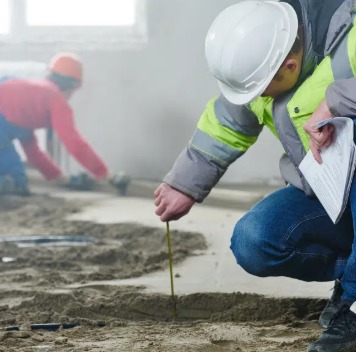
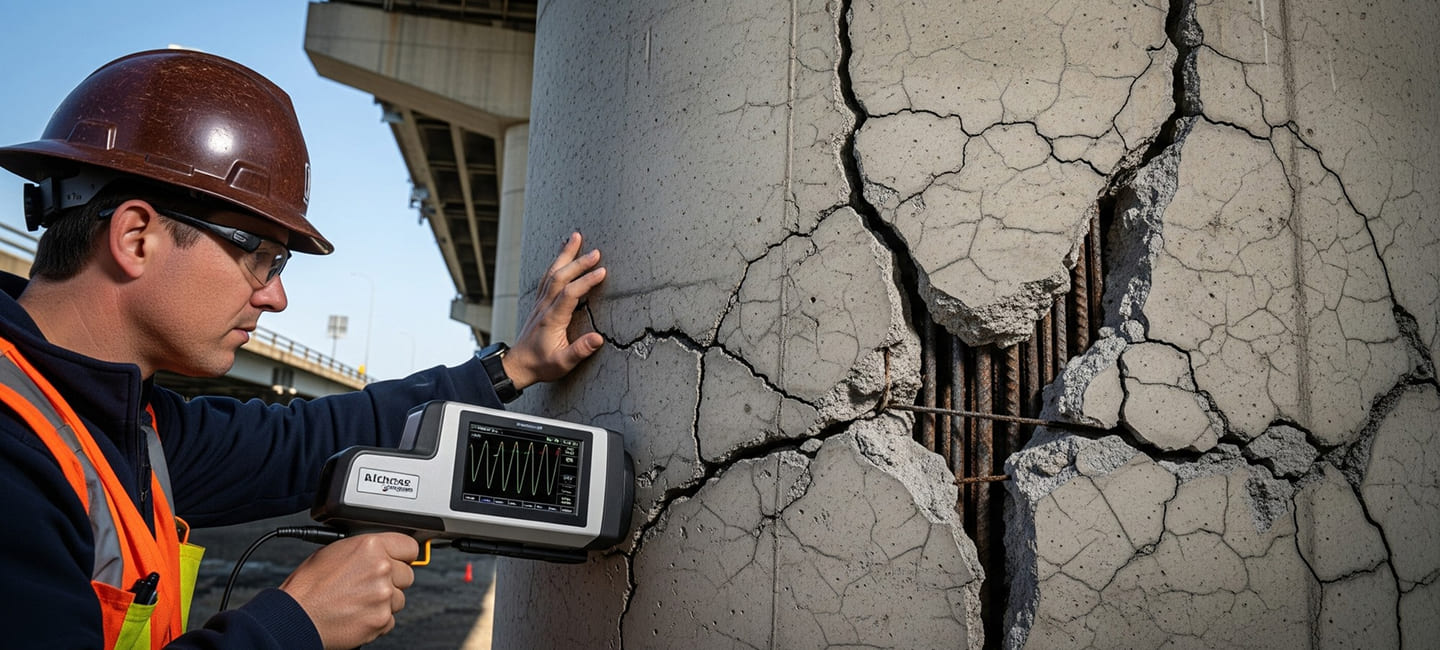
A visual inspection is usually the first on-site activity. Experienced inspectors assess the structure for common signs of distress such as cracking, spalling, delamination, staining, water ingress, exposed reinforcement, and deformation. Cracks are often measured and recorded in terms of width, length, pattern, and location, as these characteristics can indicate the type and severity of the issue.
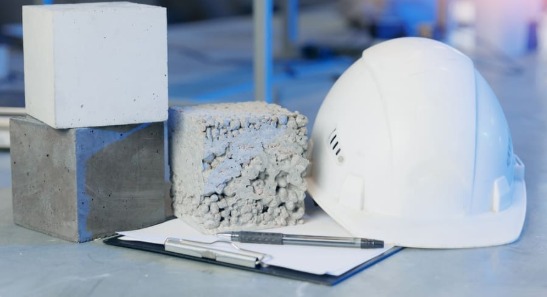
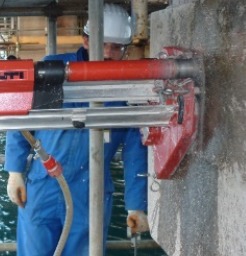
To gain a deeper understanding beyond what is visible, a range of non-destructive and semi-destructive testing methods may be used. These can include cover meter surveys to determine reinforcement depth and layout, rebound hammer tests to estimate surface hardness, ultrasonic pulse velocity testing to assess concrete quality, and half-cell potential testing to evaluate the likelihood of reinforcement corrosion. In some cases, core samples are extracted for laboratory testing to determine compressive strength, chloride content, carbonation depth, or other key properties.
Where deterioration is suspected beneath the surface, intrusive investigations may be carried out. This involves carefully breaking out sections of concrete to expose reinforcement and assess its condition directly. These inspections help confirm the extent of corrosion, bond loss, or section reduction in steel elements.
Modern surveying techniques may also be employed, such as laser scanning, photogrammetry, or drone inspections. These methods allow for precise measurement of geometry, identification of movement or deformation, and safe access to difficult or hazardous areas.
Throughout the inspection, all findings are documented in a structured manner. This includes photographic records, marked-up drawings, defect mapping, and detailed notes. The information collected is then analysed to assess the severity of defects, identify root causes, and evaluate the impact on structural performance and durability.
The outcome of a survey and inspection is typically a comprehensive report. This report outlines the condition of the structure, categorises defects by urgency, and provides recommendations for maintenance, repair, or further investigation. In some cases, it may also include prioritisation of works, budget estimates, and proposed methodologies.
Importantly, survey and inspection is not a one-off activity. For many structures, particularly those exposed to harsh environments or heavy use, regular inspections are essential to monitor condition over time and ensure early detection of issues before they become critical.
In summary, survey and inspection of concrete structures is a critical engineering process that combines visual assessment, testing, and analysis to provide a clear understanding of a structure’s condition. It enables informed decision-making, supports effective asset management, and ensures the continued safety, performance, and longevity of concrete infrastructure.