You need a new floor and you need a number. So here is the big question: how much does it cost to pour a concrete floor? The honest answer is that it depends. Still, you can build a sensible budget. This guide walks through the parts of the price, and the extras that quotes love to skip.
The Short Answer
Plenty of UK price guides put a basic slab at around £65 to £85 per square metre. That covers a plain job, usually with concrete and labour included. Concrete floor cost per square metre is the number most buyers want first.
Commercial floors usually cost more. They tend to be thicker, may need steel, and often need a tighter finish. So don’t lean on one headline price.
What Makes Up the Price
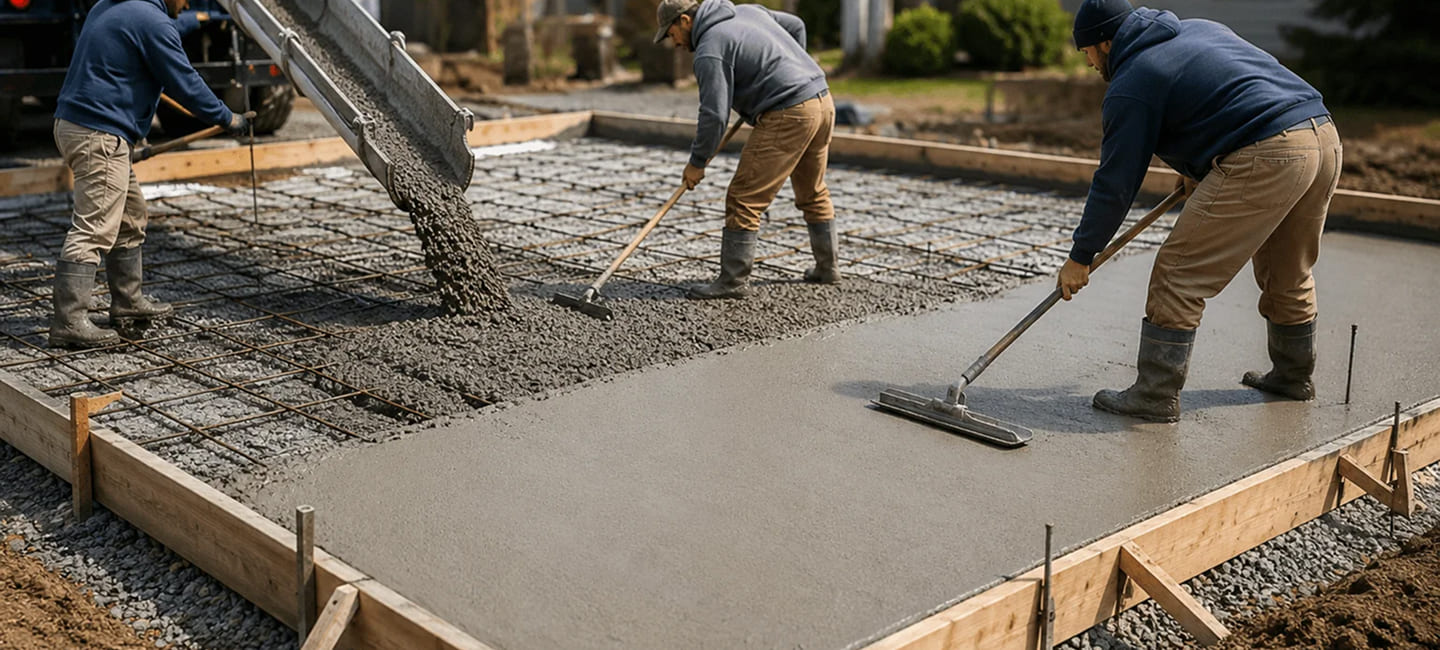
A floor is more than a pile of concrete. Most jobs bundle these parts:
- Ground prep. Stripping soft soil, then levelling and packing the ground firm.
- Sub-base. A stone layer that carries the slab.
- Damp proof layer. A membrane that keeps ground moisture out.
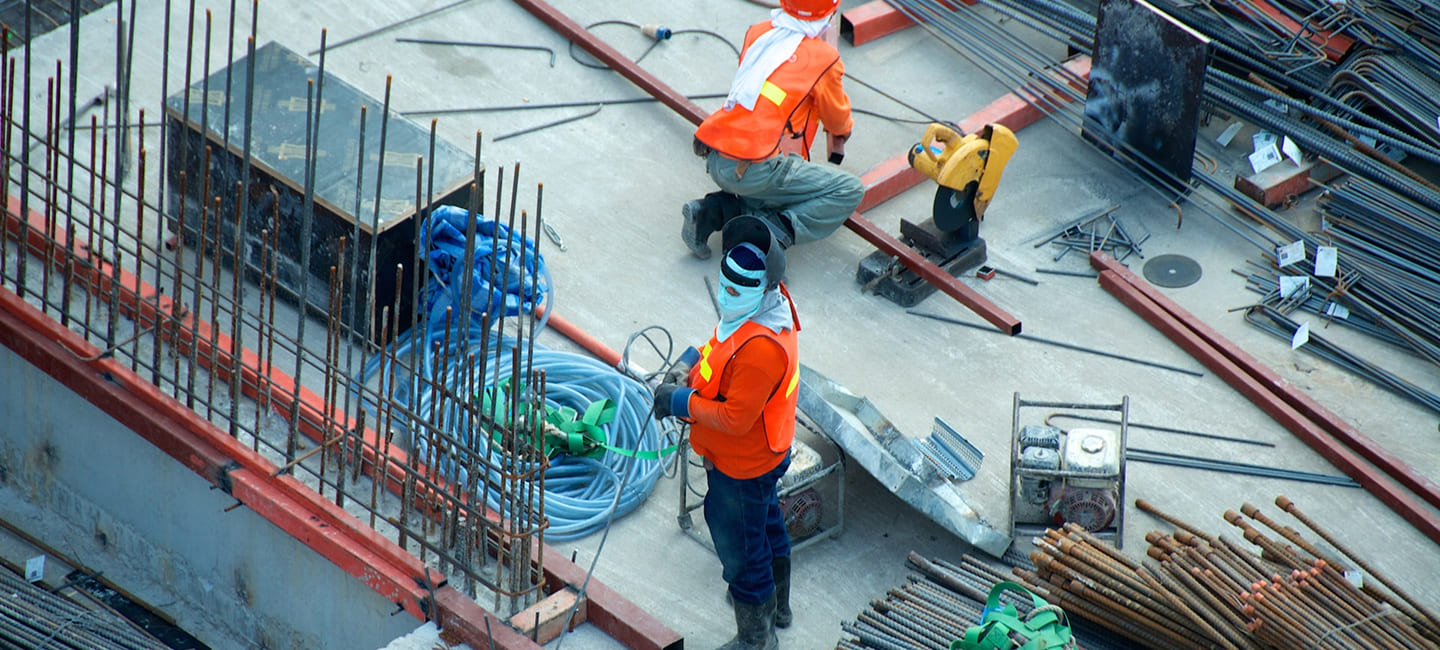
- Steel mesh or bars. Added when the design asks for it.
- The concrete. Priced per cubic metre.
- Labour. The crew who place, level and finish it.
The Concrete Itself
Concrete is bought by volume. One cubic metre is a cube measuring a metre each way. Price moves with the strength grade and with where you are. Guides often list around £80 to £105 per cubic metre, and strong mixes can come in well above that. Smart Construction RO LTD can help you understand the concrete requirements for your project and plan the right quantity.
To estimate how much you need, multiply the floor area by its depth. Take a 200 square metre floor that is 150 mm deep. That comes to 30 cubic metres. Add a cushion of 5 to 10 percent, since ground is rarely perfect and some concrete gets lost along the way.
The Extras Nobody Quotes For
Here’s where budgets slip. Think of these as the hidden costs of a concrete floor. Check that each one is in your price:
- Pump hire. A pump moves wet concrete to spots a truck can’t reach. Concrete pump hire cost often appears as its own line.
- Short load fees. Some suppliers add a charge when you order only a small amount.
- Power floating. A machine trowels the surface smooth, and that takes skilled hours.
- Saw-cut joints. Cuts steer where cracks form. The joints may need sealing later.
- Curing and cover. Fresh concrete needs protection from rain, hot sun and frost.
- Testing. Sample cubes prove the mix meets the spec.
- Breaking out old slabs. Old concrete must be cut up and carted off.
- Skips and waste. Wash-out water and spoil need somewhere to go.
- Access. A tight site can mean more labour or a smaller pump.
A Quick Worked Example
Say you need 200 square metres. At £65 to £85 per square metre, a basic slab would run from £13,000 to £17,000. Treat that as a starting figure, not the final bill.
Now layer on the extras. A pump, joint cutting, a better finish and proper curing can each shift the total. A cramped site can push it higher again. Keep a buffer of 10 to 15 percent in your budget.
Weather and Timing
The weather can make or break a pour. Heavy rain can pit a fresh surface. Hard frost can stop concrete setting properly. Hot wind dries it too fast and invites cracks.
Good crews watch the forecast. They bring covers and curing aids. Waiting a day for better weather costs far less than replacing a failed floor.
Slab, Pour and Finish: Where the Money Goes
- Slab depth. Home floors are often about 100 mm thick. Warehouse floors often run 150 mm or more. An engineer confirms the final depth. More depth means more concrete.
- The pour. Big pours need more people and tighter planning. Pumps, crews and timing all add cost.
- The finish. A brushed surface costs less. A power floated concrete floor costs more. A very flat floor for forklifts costs more again, but it saves trouble later.
How to Compare Quotes
Two quotes for the same floor can sit miles apart. Usually they cover different things. Ask every firm to spell out:
- The slab depth and concrete grade.
- Whether steel is included.
- Whether pump hire is included.
- The type of finish.
- Joint cutting and sealing.
- Curing and protection.
- Who clears the waste.
Then compare line by line. The lowest price can hide gaps that show up later as extra invoices.
Choosing the Right Team
Search for concrete pouring contractors near me and you’ll find plenty of names. Look for firms that have done floors like yours. A shop floor and a factory floor are very different jobs.
Good concrete floor contractors will visit before pricing. They’ll check levels, access and the ground, then send a written price.
Smart Construction RO LTD operates from Worksop in Nottinghamshire and serves commercial and industrial clients across the UK. Its services include floor concrete pouring and concrete finishing, along with repairs when a floor starts to wear. You can also begin at the Smart Construction.
Looking for concrete pouring contractors near me in the East Midlands or further afield? Send your plans or floor size to Smart Construction RO LTD. The team can explain what your floor needs and what it may cost.