A structural repair can feel like a black box if you’ve never managed one. Someone turns up with scaffolding and a grinder. Weeks later the job is “done”. What happened in between? This guide walks through a typical job, from first survey to final sign-off. Know the stages and you can ask sharper questions of structural concrete repair contractors. You’ll spot shortcuts early too.
The Six Stages at a Glance
Every site is different, but most jobs follow the same path.
- Survey. Find out what’s wrong and how far it spreads.
- Diagnosis and plan. Work out why it happened and agree the fix.
- Set-up. Sort access, safety and working hours.
- Repair. Cut out weak concrete and rebuild it.
- Protection. Seal the surface so the damage doesn’t return.
- Sign-off. Test, record and hand over.
Stage 1: The Survey
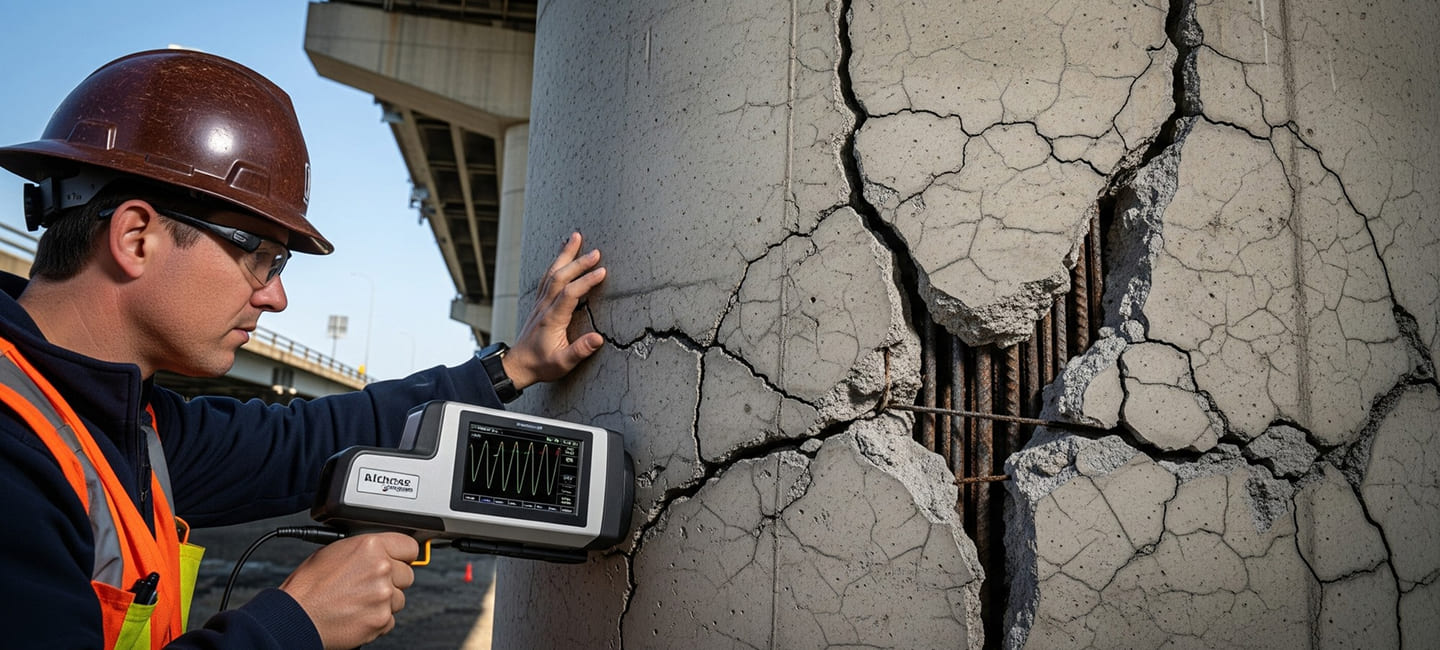
Good repairs start with a concrete condition survey. A surveyor walks the structure and looks for cracks, rust stains and flaking. They tap the surface with a hammer, because hollow concrete sounds different from solid concrete. They may also check how deep the steel sits. And whether the concrete around it has lost its protection.
Some tests need small samples. These show if salts or carbon dioxide have reached the steel. That matters. Rusting steel swells and pushes the concrete apart.
Your part is easy. Give the team access, old drawings and any past repair records. It all saves time.
Stage 2: Finding the Cause and Writing the Plan
Fixing damage without finding the cause is like mopping under a dripping tap. It looks fine for a day. So a decent survey ends with a reason, not just a list of defects. Was it water? Road salt? Overloading? A design fault?
Next comes the plan. It should include a concrete repair method statement. That’s a written account of what will be done and in what order. It names the materials and safety controls too. Read it before you approve anything. If it’s vague, ask for more.
This is also where a fair structural concrete repair cost is set. Ask for the scope broken down by area and method. Quotes built on a real survey rarely balloon halfway through.
Stage 3: Access, Safety and Set-Up
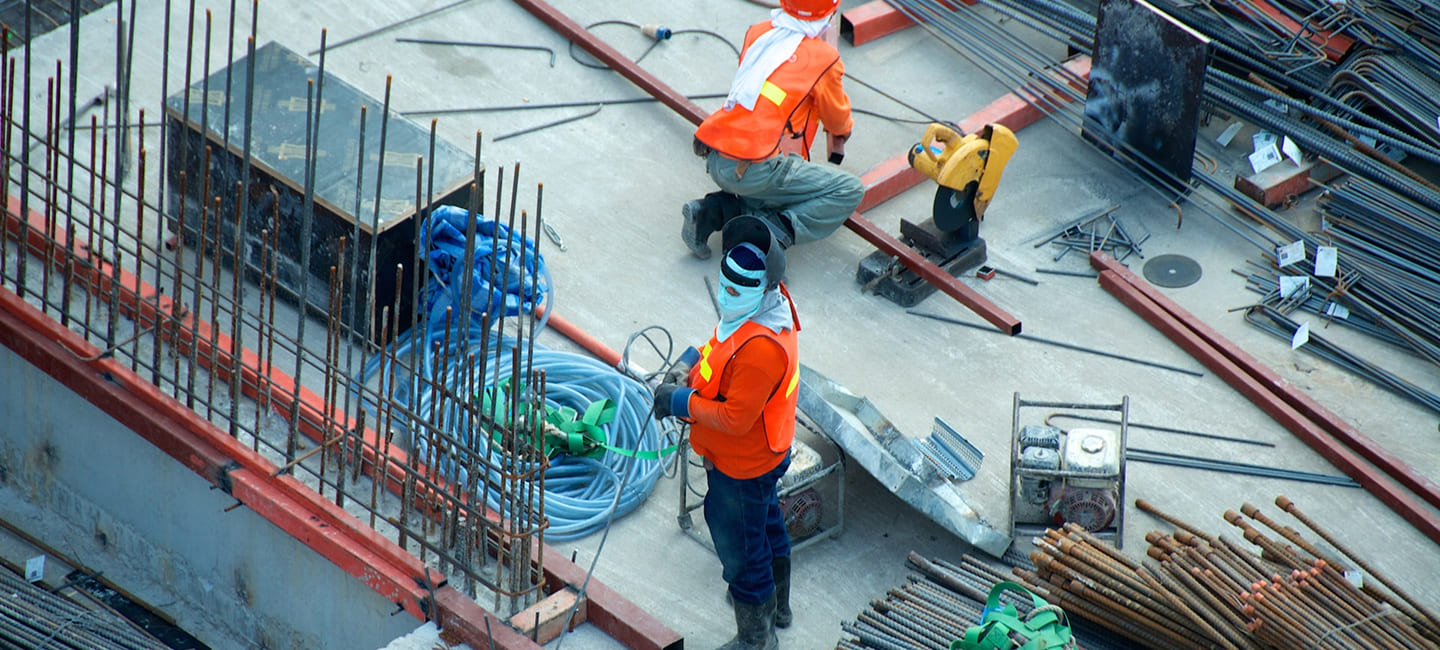
Now the site gets ready. The team marks off work zones and covers nearby surfaces. They plan for dust and noise. If part of the structure needs temporary support, an engineer decides that, not the crew.
Busy sites need clever timing. Loading bays, car parks and factory floors can’t always close for a week. A good commercial concrete repair contractor will offer phased work, night shifts or weekend windows. Tell them early which areas can’t stop.
Stage 4: The Repair Itself
Here’s the part people picture. The crew cuts back the damaged concrete until they reach solid material. Exposed steel is cleaned and treated. If a bar has lost too much metal, the engineer decides what happens next.
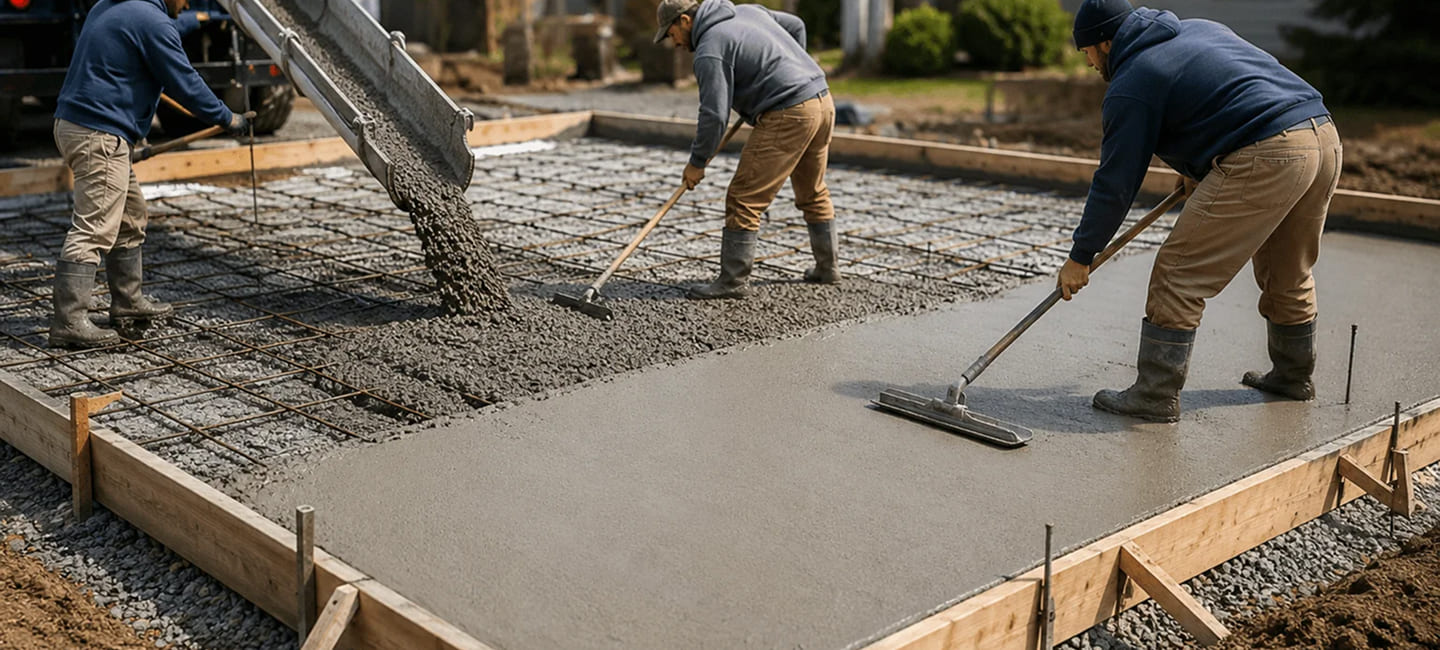
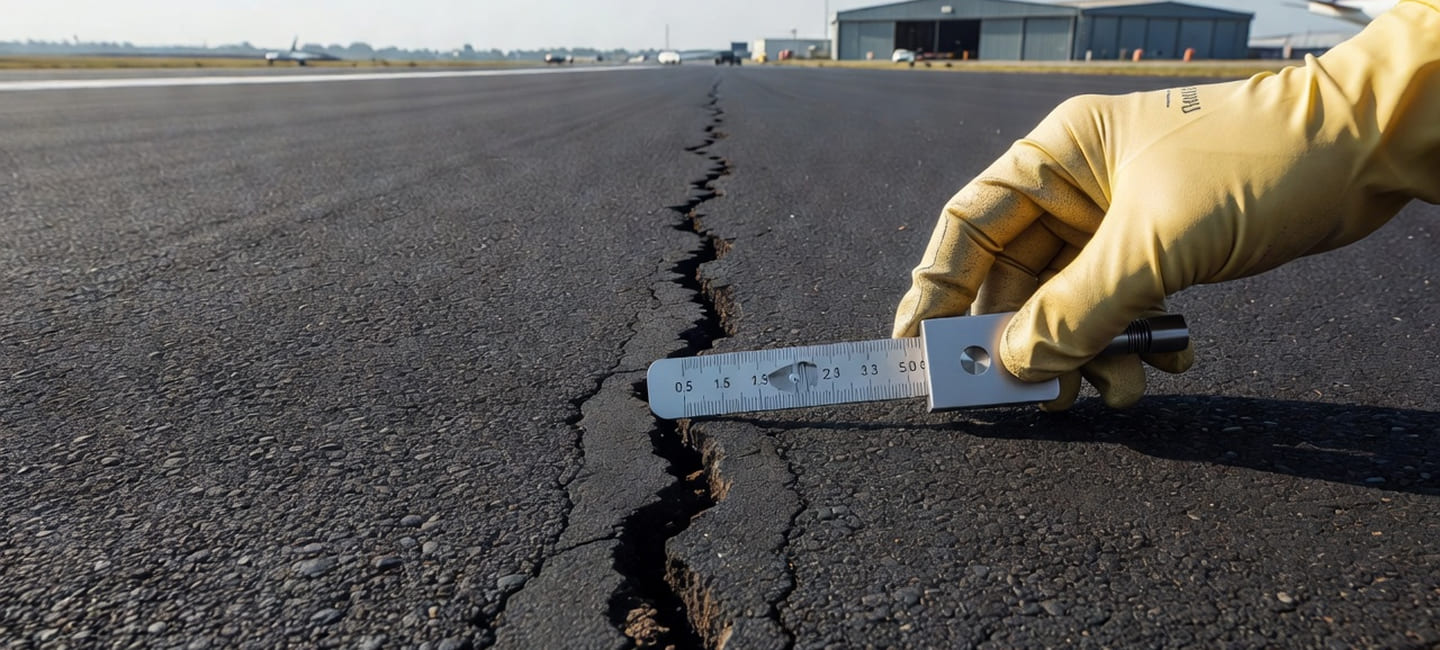
Then the repair goes in. That might be a repair mortar, new concrete or an injected resin. It depends on the damage. Cracks are filled. Failed joints are cleaned out and resealed.
Curing counts too. A fresh repair that dries too fast can crack again. Good crews cover and protect it.
Stage 5: Protection
A repaired patch beside untreated concrete can fail at its edge. So many jobs finish with a protective coating or sealer. It slows water and salts, which cause most damage in the first place.
Stage 6: Testing and Sign-Off
Before the crew leaves, someone should check the work. That usually means a visual check. Then another hammer tap, to hear if the patch has bonded. Some specs ask for bond tests too.
Then comes the paperwork. A proper handover often includes photos of each area. You may also get material data sheets, test results and any warranty. Sign-off means you agree the job matches the plan. Don’t rush it. Walk the site first.
How Long Does Structural Concrete Repair Take?
There’s no single answer. A small local repair might take a few days, while a larger job on a busy structure can run for weeks. Weather, curing time and hidden damage can all affect the schedule. Smart Construction RO LTD can help you understand the likely timeframe and plan the work around your project requirements.
The survey and plan should give you a clear programme with dates. If a firm can’t provide one, ask for more detail before work begins. It’s also worth asking what happens if extra damage is discovered once the concrete is opened up, including how any additional work and time wi
.
What to Ask Before You Hire
- Who carries out the survey, and will I see the report?
- Have you done similar work on commercial or industrial sites?
- Can I read the method statement before work starts?
- How do you handle damage found once work begins?
- What records will I get at handover?
For more on picking a firm, read this guide on how to choose concrete repair contractors.
Working With Concrete Repair Specialists
Smart Construction RO LTD works from Worksop in Nottinghamshire. It serves commercial and industrial clients across the UK. The team is an approved Flexcrete contractor. Its services include survey and inspection, structural repairs and protective coatings. That covers the stages above.
If you’re weighing up concrete repair specialists for a project, get in touch with Smart Construction RO LTD. Send photos and a short description, and the team can talk through the next step. A commercial concrete repair contractor should start with a survey, not a sales pitch. You can also start at the Smart Construction.