Concrete is often seen as a permanent, low-maintenance material, but that’s a misconception. Over time, even well-designed concrete structures begin to deteriorate due to environmental exposure, loading, and aging. Concrete repair is essential not just for appearance, but for preserving structural safety, preventing progressive damage, and extending the usable life of a structure.
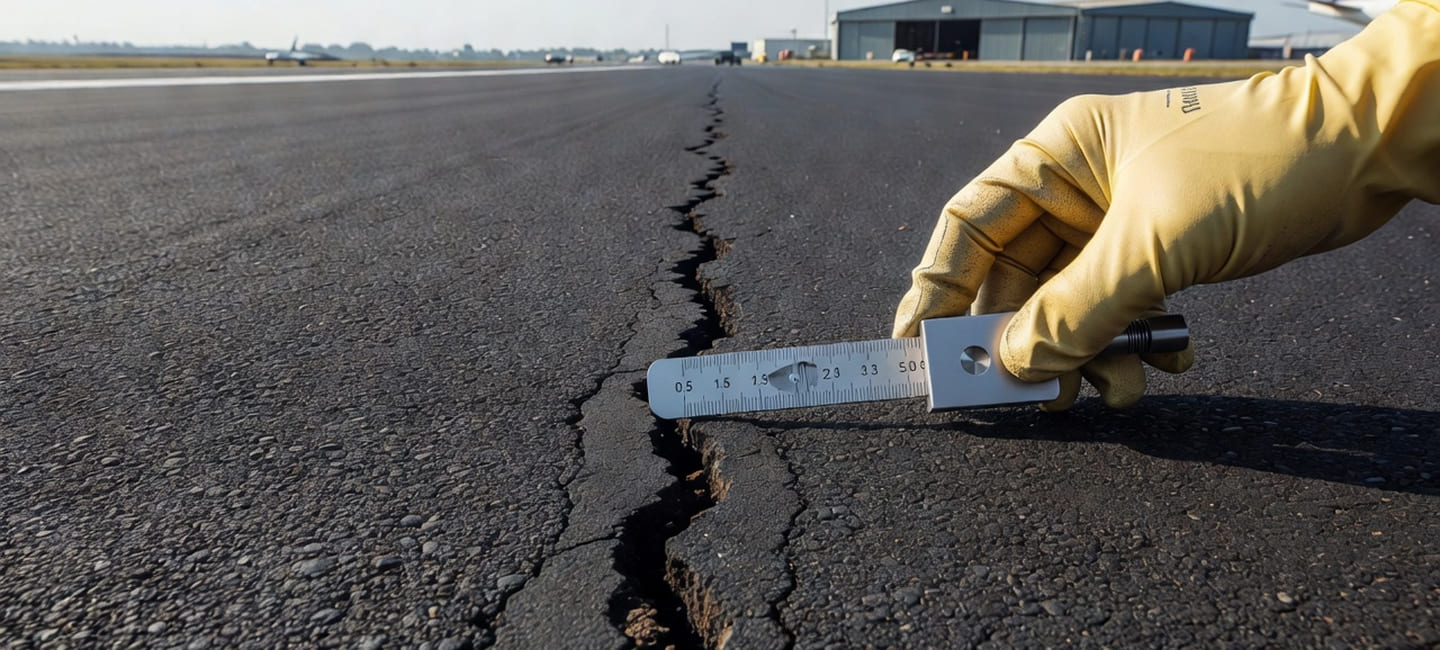
One of the main reasons repair is critical is that damage in concrete rarely remains isolated. Small cracks—whether caused by shrinkage, overloading, or environmental stress—can quickly become entry points for water and harmful chemicals. Once moisture penetrates the surface, it accelerates internal deterioration processes. For example, repeated freeze-thaw cycle action can widen cracks and break down the surface layer, while chemical exposure can weaken the internal matrix of the concrete. What starts as a minor surface issue can evolve into a deeper structural problem if left untreated.
A particularly serious concern is the corrosion of embedded steel reinforcement. Concrete normally protects steel through its alkaline environment, but when water and oxygen infiltrate, corrosion begins. This is often triggered or accelerated by processes like carbonation or chloride ingress. As steel rusts, it expands, creating internal pressure that leads to cracking, spalling, and separation of the concrete cover. If not repaired in time, this reduces the load-bearing capacity of the structure and can ultimately lead to partial or complete failure.
Concrete repair also plays a key role in maintaining structural performance under load. Buildings, bridges, and other infrastructure are designed to carry specific loads safely. Damage such as cracks, voids, or delamination alters how forces are distributed within the structure. This can create stress concentrations in certain areas, increasing the risk of sudden failure. Timely repairs restore continuity and ensure that loads are properly transferred throughout the structure as intended in the original design.
Environmental exposure further highlights the importance of repair. Structures in coastal, industrial, or high-moisture environments are particularly vulnerable to chemical attacks, such as sulfate attack. These processes gradually weaken the concrete, reducing its strength and durability. Repairing damaged areas and applying protective treatments can halt or slow down these effects, preserving the integrity of the structure.
Beyond safety, there is a strong economic argument for early intervention. Addressing minor defects early is far more cost-effective than dealing with major structural rehabilitation later. Neglected damage often leads to more extensive repairs, downtime, and even the need for complete replacement. Preventive maintenance and timely repair help avoid these escalating costs while extending the service life of the structure.
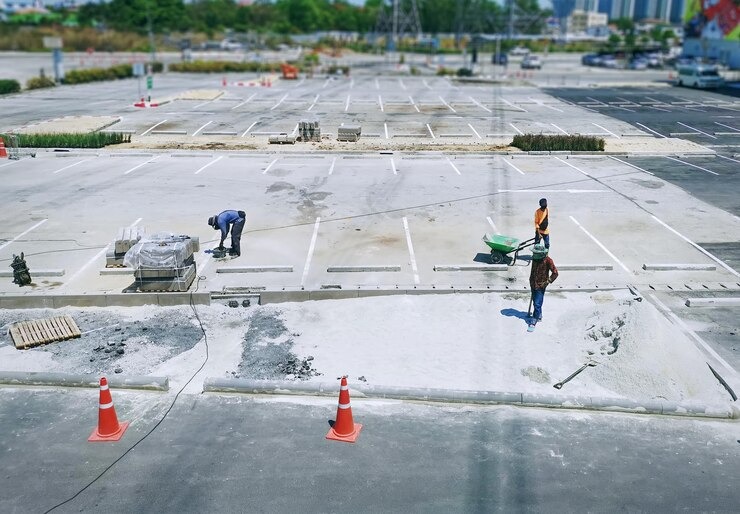
Repair also ensures compliance with safety standards and regulations. Infrastructure such as bridges, car parks, and commercial buildings must meet strict safety requirements. Visible deterioration can lead to failed inspections, restricted use, or legal liability. Regular assessment and repair keep structures within acceptable safety margins and reduce risks to occupants and the public.
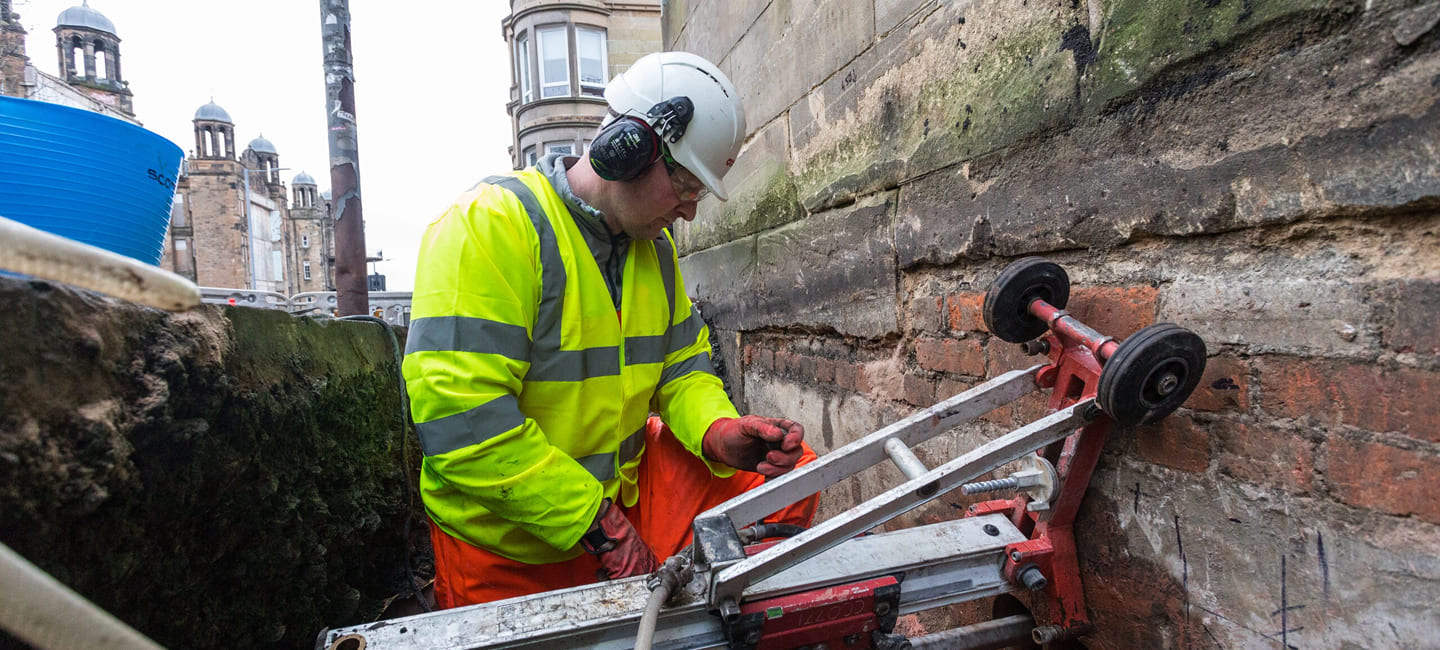
Modern repair techniques have made it possible to address concrete damage effectively and efficiently. Methods such as crack injection, patch repair, cathodic protection, and surface coatings are tailored to specific types of deterioration. When applied correctly, these solutions not only fix existing problems but also enhance resistance to future damage.
In essence, concrete repair is not optional maintenance—it is a fundamental part of responsible structural management. By addressing deterioration early, it prevents minor issues from escalating, protects reinforcement from corrosion, maintains load-bearing capacity, and ensures long-term safety. Ignoring repair needs may save money in the short term, but it significantly increases the risk of structural failure and costly interventions later on.