Structural maintenance of concrete units and structures is the planned, ongoing process of preserving, protecting, and extending the service life of concrete assets so they continue to perform safely and efficiently. It goes beyond one-off repairs by focusing on routine care, early intervention, and long-term asset management to prevent deterioration before it becomes critical.
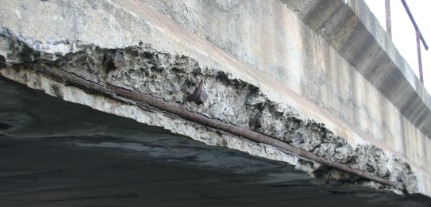
Concrete structures—such as bridges, buildings, car parks, retaining walls, and industrial facilities—are constantly exposed to environmental and operational stresses. These include moisture ingress, carbonation, chloride attack (particularly in marine or highway environments), freeze-thaw cycles, chemical exposure, mechanical wear, and loading fatigue. Over time, these factors can lead to cracking, spalling, corrosion of reinforcement, and a reduction in structural performance if not properly managed.
The maintenance process typically begins with regular inspections and condition monitoring. Scheduled surveys allow engineers and maintenance teams to identify early signs of deterioration, track changes over time, and prioritise intervention. This proactive approach reduces the likelihood of sudden failures and helps optimise maintenance budgets by addressing issues at an early stage.
Routine maintenance activities often include cleaning and surface care. This may involve pressure washing to remove dirt, biological growth, and contaminants that can trap moisture or accelerate degradation. Drainage systems are also checked and maintained to ensure water is effectively directed away from the structure, as poor drainage is a common cause of concrete deterioration.
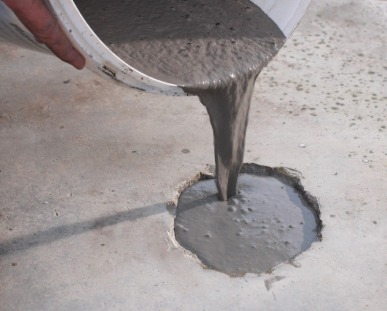
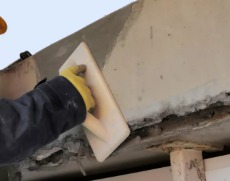
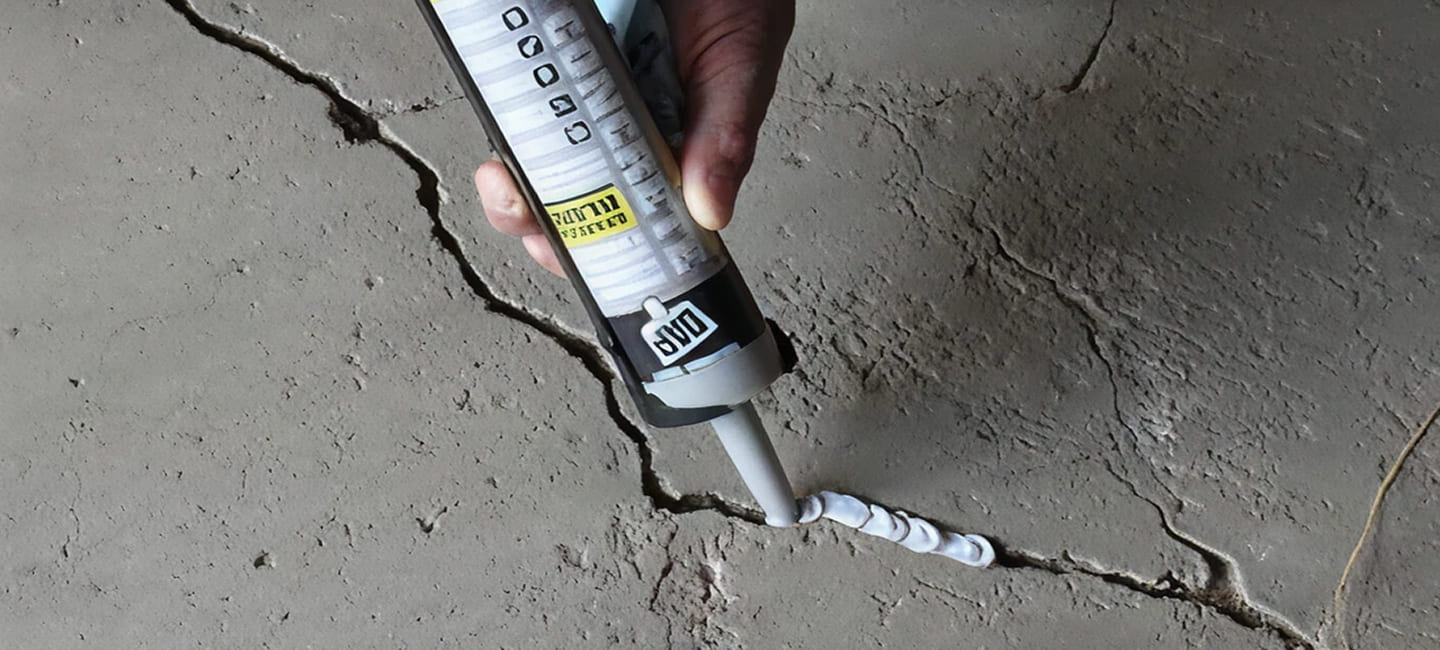
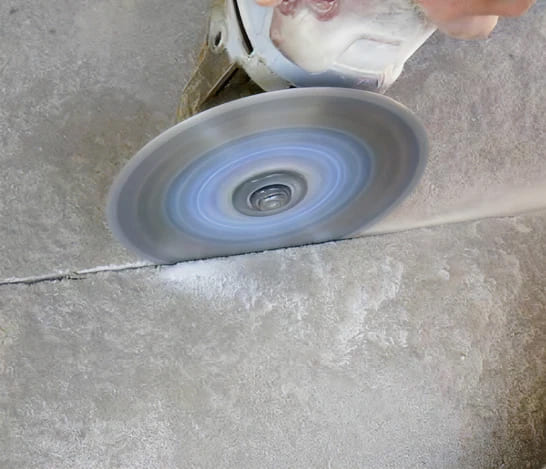
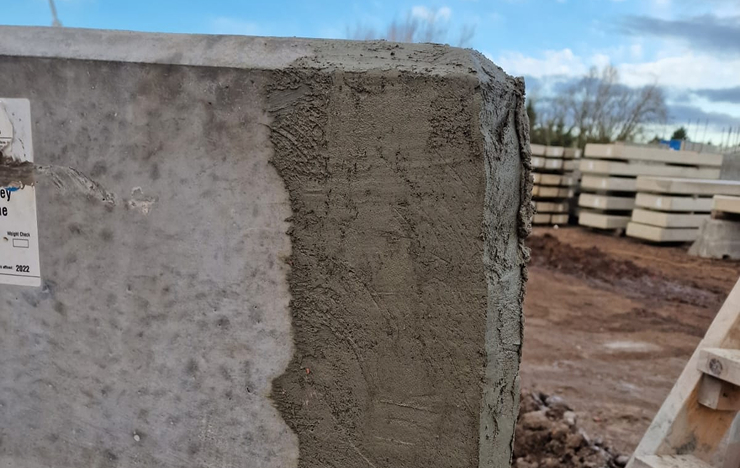
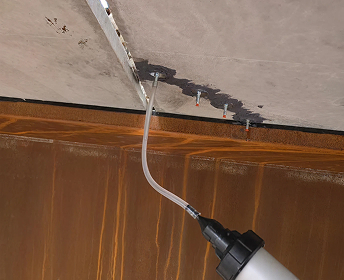
Minor repairs form a key part of structural maintenance. Small cracks may be sealed or injected to prevent water ingress, while localised areas of damage—such as minor spalling—can be repaired using appropriate repair mortars. These targeted interventions help prevent defects from expanding into larger structural problems.
Protective treatments are another essential element. These can include the application of anti-carbonation coatings, waterproof membranes, corrosion inhibitors, or sealers that reduce permeability and protect the concrete and embedded reinforcement from aggressive agents. In exposed or high-risk environments, such measures are critical in slowing the rate of deterioration.
Joint maintenance is also a significant aspect. Movement joints are inspected, cleaned, and resealed where necessary to maintain flexibility and watertightness. Failed joints can allow water and debris to enter the structure, leading to hidden damage and accelerated wear.
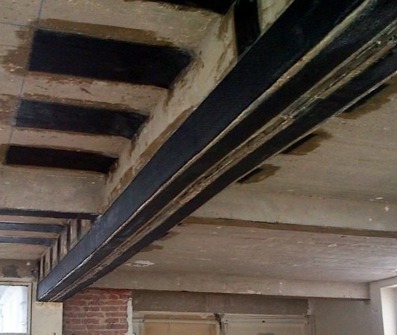
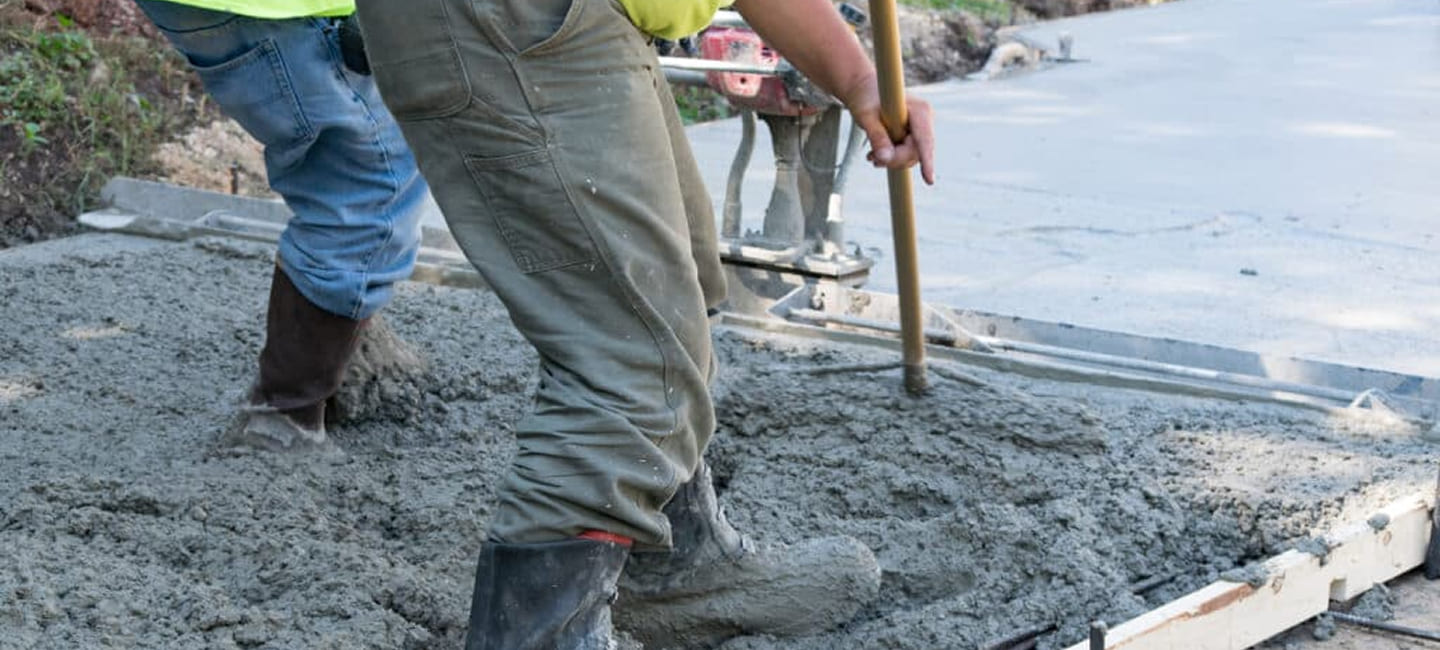
In some cases, structural maintenance may include strengthening or upgrading elements to meet new performance requirements. This can involve the addition of reinforcement, installation of protective systems, or localised strengthening using modern materials such as fibre-reinforced polymers. These interventions ensure that the structure remains fit for purpose as usage demands evolve.
Documentation and record-keeping are integral to effective maintenance. Detailed logs of inspections, repairs, and treatments provide a history of the structure’s condition and help inform future maintenance planning. This data-driven approach supports better decision-making and long-term cost efficiency.
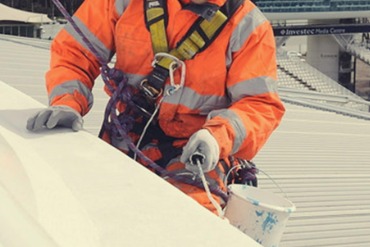
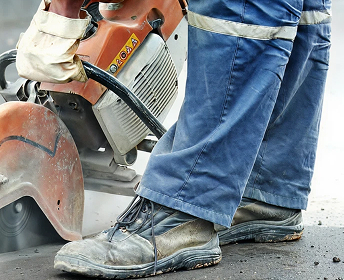
Health and safety considerations are also central to structural maintenance. Proper planning, risk assessments, and method statements ensure that maintenance works are carried out safely, particularly when dealing with elevated structures, confined spaces, or live environments such as highways or operational facilities.
In summary, structural maintenance of concrete units and structures is a comprehensive, preventative approach to asset care. It combines regular inspection, routine upkeep, minor repairs, and protective measures to manage deterioration and extend service life. By addressing issues early and maintaining protective systems, structural maintenance helps ensure the continued safety, durability, and functionality of concrete structures while minimising the need for major, costly repairs in the future.