Preventing cracks in concrete structures isn’t about a single trick—it’s about controlling the entire lifecycle of the material, from design and mixing to placement and long-term maintenance. Concrete naturally wants to crack due to shrinkage, temperature changes, and loads, but good practices can minimize both the size and impact of those cracks.
Start with proper mix design. The ratio of water to cement is critical: too much water weakens the concrete and increases shrinkage, which leads to cracking. A low water-cement ratio improves strength and durability, but it must still be workable. This is where admixtures come in—plasticizers can improve workability without adding extra water, while shrinkage-reducing admixtures help limit internal stresses. Using well-graded aggregates also reduces voids and minimizes the amount of cement paste needed, which lowers shrinkage potential.
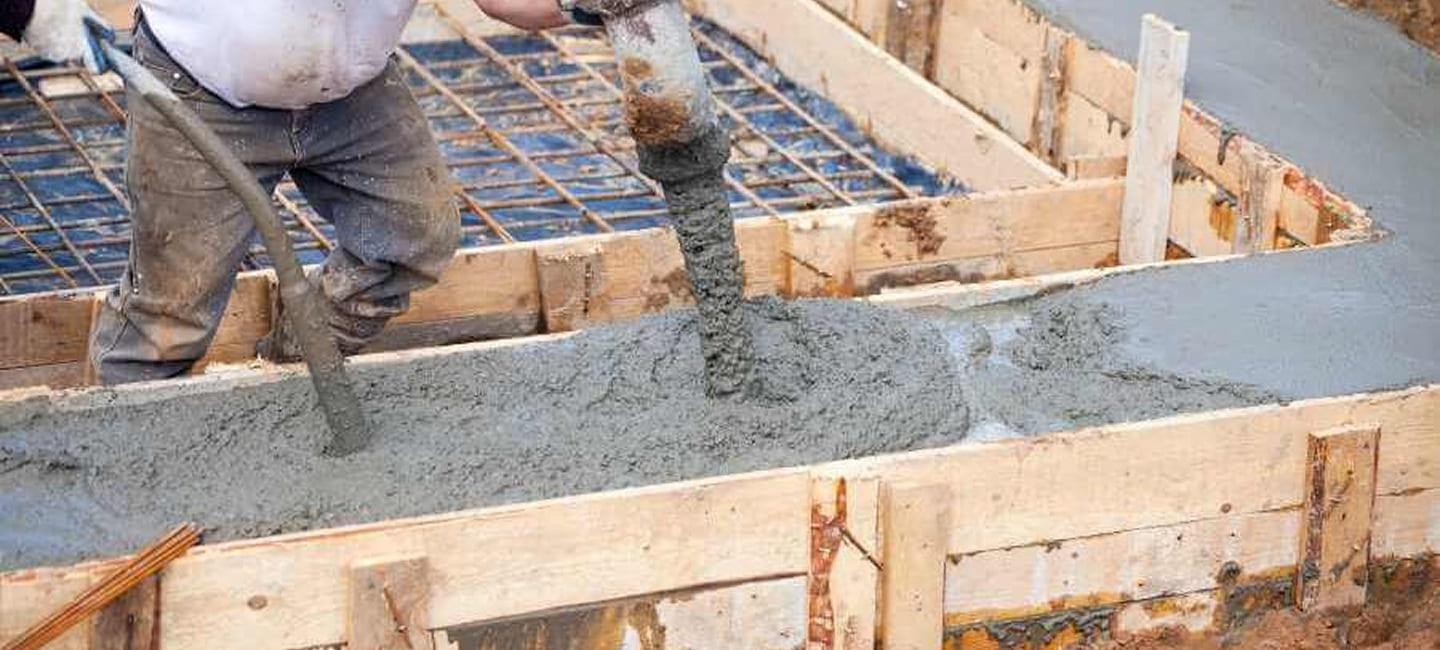
Good structural design is just as important. Engineers account for where cracks are likely to occur and control them using reinforcement. Steel rebar or mesh doesn’t stop cracks entirely—it holds the concrete together and keeps cracks tight and less visible. Control joints (intentional weak points) are also placed at calculated intervals so that when the concrete shrinks, it cracks in a straight, planned line rather than randomly. Expansion joints are used to allow movement caused by temperature changes, especially in large slabs or pavements.
Proper site preparation plays a big role. The subgrade (the soil beneath the concrete) must be well-compacted and uniform. Uneven settling can create stress points that lead to cracking. A stable base layer, sometimes with gravel, helps distribute loads evenly and prevents movement beneath the slab.
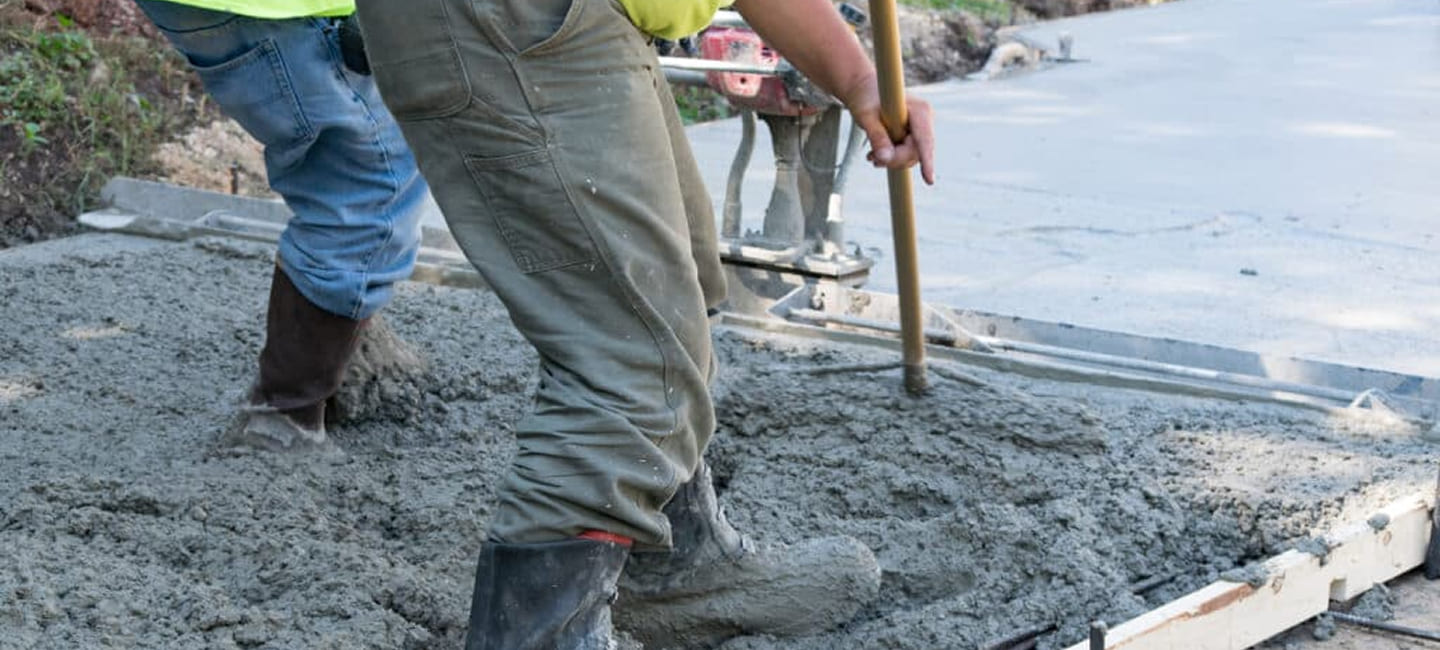
During placement, consistency and timing matter. Concrete should be poured continuously where possible to avoid cold joints (weak interfaces between pours). Overworking the surface—especially adding water during finishing—can weaken the top layer and make it more prone to cracking. Vibrating the concrete correctly removes air pockets without causing segregation of materials.
Curing is one of the most overlooked but crucial steps. As concrete hardens, it needs moisture to properly hydrate and gain strength. If it dries too quickly, it shrinks and cracks. Keeping the surface moist—using water spraying, wet coverings, or curing compounds—for at least several days significantly reduces shrinkage cracking. Temperature control is also key: in hot weather, rapid evaporation must be prevented, while in cold weather, freezing must be avoided because it disrupts the curing process.
Environmental factors should always be considered. Wind, heat, and low humidity accelerate moisture loss, increasing the risk of surface cracking. Using windbreaks, sunshades, or scheduling pours during cooler parts of the day can help. In colder climates, using insulated blankets or heated enclosures protects curing concrete from freezing.
Finally, ongoing maintenance helps prevent small cracks from becoming serious problems. Sealing the surface reduces water penetration, which can lead to freeze-thaw damage or corrosion of reinforcement. Regular inspections allow early repair of minor cracks before they expand.
In short, preventing cracks in concrete is about managing stress—reducing it where possible and controlling it where it’s unavoidable. When each stage is handled carefully, the result is a stronger, more durable structure with minimal cracking.