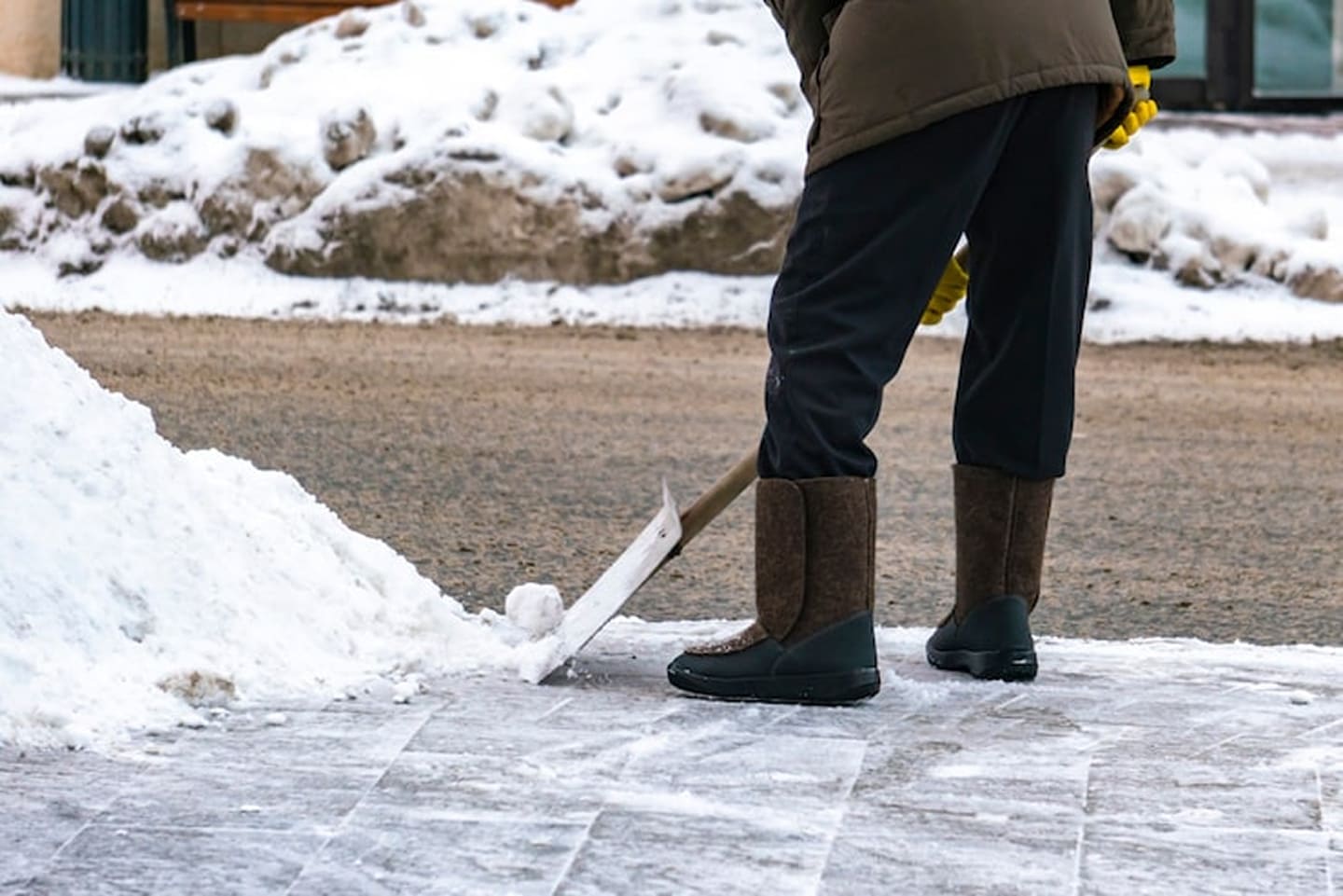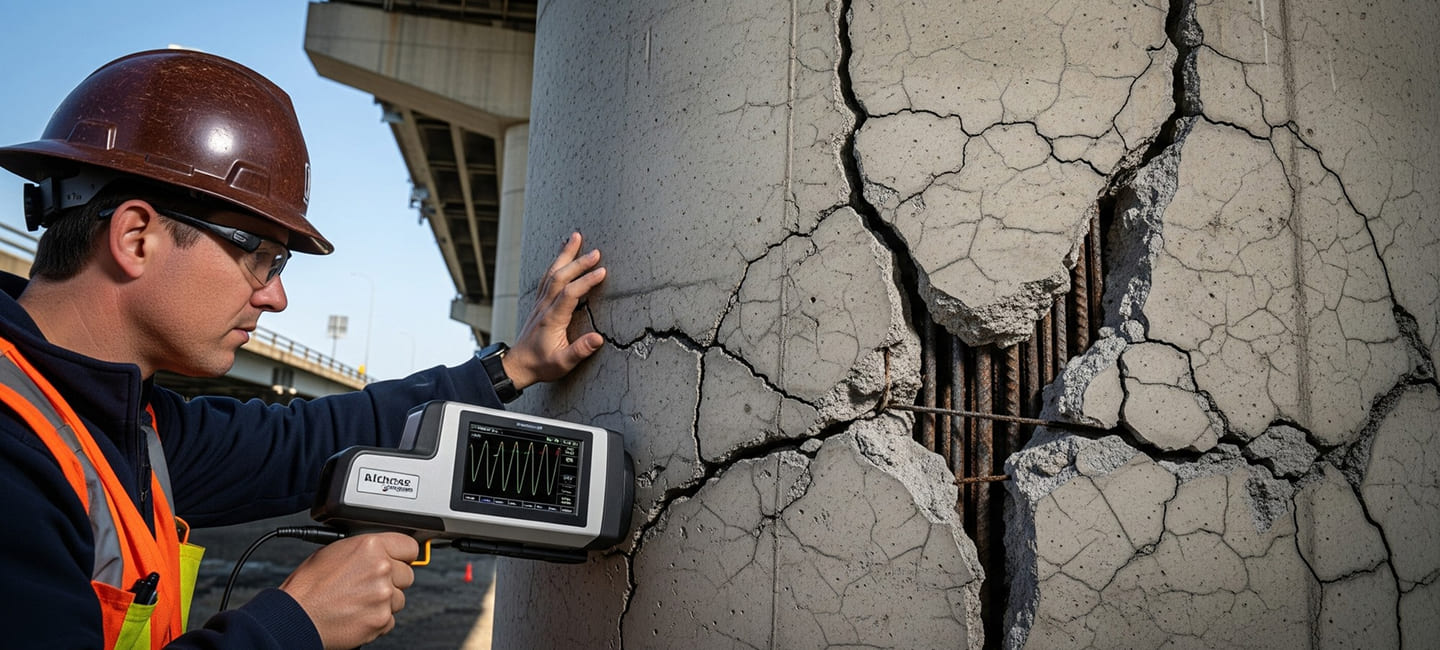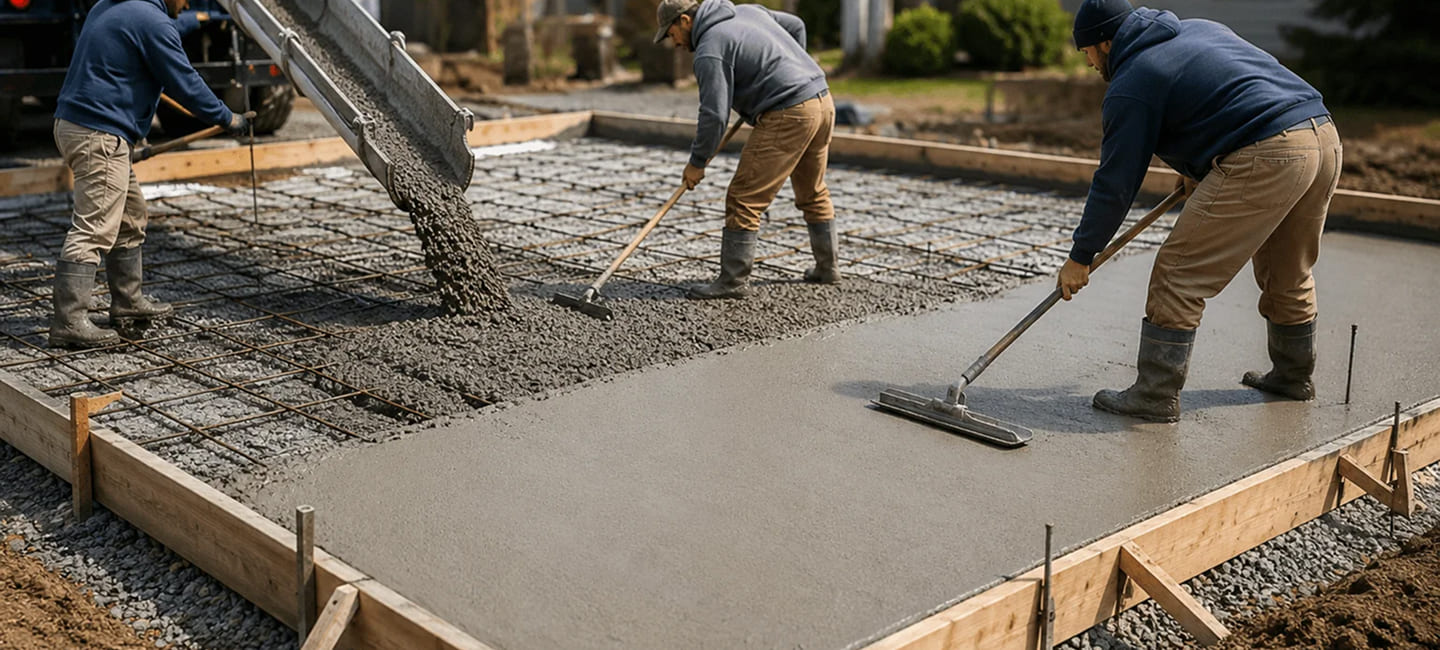
Yes, in most cases. But winter changes how the job is done. Cold slows curing. Damp ruins bonding. Frost can undo fresh work overnight. So a good winter repair is planned around the weather, not squeezed in despite it.
This guide explains what really changes and how contractors manage it. It also shows what you can do now to protect a cracked surface until the work starts.
The Quick Answer
Concrete repair in cold weather does happen. The real question is whether conditions on the day suit the product. Every repair material has limits for temperature and moisture. They are listed in its data sheet, and a careful contractor follows them.
Winter work is not unusual on commercial and industrial sites. Loading yards, car parks and warehouse floors cannot always wait for spring. That is why the method matters more than the month.
That said, some jobs are best left until the weather improves. Later sections show how to decide.
How Cold Is Too Cold to Repair Concrete?
There is no single figure. Cement-based repair mortars often need the surface and the air to stay above about 5°C, and to stay there while the material gains strength. Resins vary. Many cure slowly in the cold, and some will not cure properly at all.
Moisture matters just as much as temperature. Frozen or wet concrete will not bond well. A thin film of ice inside a crack can stop a sealant from gripping the sides. Always check the data sheet for the exact product.
Day length matters too. Winter gives fewer working hours, and surfaces stay cold and damp for longer. A good contractor plans the day so that preparation and repair happen in the warmest, driest window.
What Crack Repair Contractors Do Differently in Winter
The best concrete crack repair contractors follow five habits before they start.
- Check the forecast. They look at overnight lows, not only daytime highs.
- Measure the surface. A thermometer and moisture reading beat guesswork.
- Dry the crack. Standing water and ice are cleared before any material goes in.
- Pick the right product. Some systems cope with cold better than others.
- Protect the repair. Covers or enclosures keep frost and rain off while it cures.
Some of this is easier indoors or in a sheltered yard. Open slabs, ramps and yards need more planning. If the weather will not allow the work, a good contractor says so and rebooks. That is a sign of care, not delay.
Why Concrete Cracks After Frost Keep Growing
Water is the villain. It slips into a crack and freezes. Ice takes up about nine percent more space than water, so it pushes the crack wider. Then it thaws, and the water goes deeper. Repeat that through a cold season and a hairline crack becomes a real defect. De-icing salts make it worse.
Cold also makes concrete shrink slightly. Cracks that move with the seasons can open wider in winter. That helps a surveyor see how much movement there is. It also warns you that a rigid filler may be the wrong choice. For winter concrete crack sealing, a flexible material is often a better match for a crack that moves.
Frost Damage Concrete Repair: What It Involves
Frost damage shows up as scaling, flaking, crumbling edges and wider cracks. The fix depends on how deep it goes.
- Light scaling: clean the surface, then protect it with a coating once it is dry.
- Deeper loss: cut back to sound concrete, prime it and rebuild with a suitable repair mortar.
- Cracks: seal or inject them once the cause and movement are understood.
- Water paths: fix blocked drains and failed joints, so the problem does not return.
That last step is the one people skip. Without it, the damage simply comes back next winter.
What You Can Do Before the Contractor Arrives
- Sweep off standing water and clear drains.
- Keep de-icing salt away from cracked areas.
- Cover exposed cracks with a sheet during heavy rain.
- Photograph and measure cracks, and note the dates.
- Keep heavy traffic off damaged edges.
Avoid pouring hot water onto ice. The sudden change can make cracks worse.
Common Mistakes in Cold-Weather Repairs
- Filling a crack that still holds water or ice
- Using a product outside its temperature range
- Skipping the cause, such as a leaking pipe or blocked drain
- Leaving the repair uncovered on the first frosty night
- Sealing a moving crack with a rigid material
Each of these is avoidable. Most come from rushing to beat a deadline.
Repair Now or Wait for Spring?
Go ahead in winter when a crack lets water in, creates a trip hazard or is getting worse. Waiting can suit stable, dry cracks and light scaling. Schedule frost damage concrete repair for those once the slab has dried out.
For any concrete repair in cold weather, ask how conditions will be measured and how the work will be protected. A clear answer is a good sign.
Working With a Contractor
Smart Construction RO LTD is a Worksop-based concrete contractor. It offers crack repairs, joint sealing and structural repairs to commercial and industrial clients across the UK. As an approved Flexcrete contractor, it works with recognised repair systems. Ask any firm how the data sheet limits will be met on your site.
Plan early. An autumn survey lets work be lined up for the first dry, mild spell. Good concrete crack repair contractors will also tell you when a crack needs monitoring rather than repair. If you want a second opinion, Smart Construction RO LTD also handles survey and inspection.