




Concrete
protective coatings

Concrete protective coatings

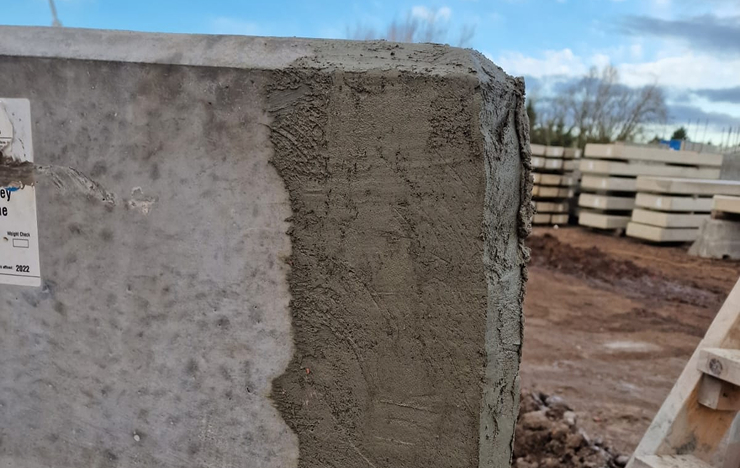
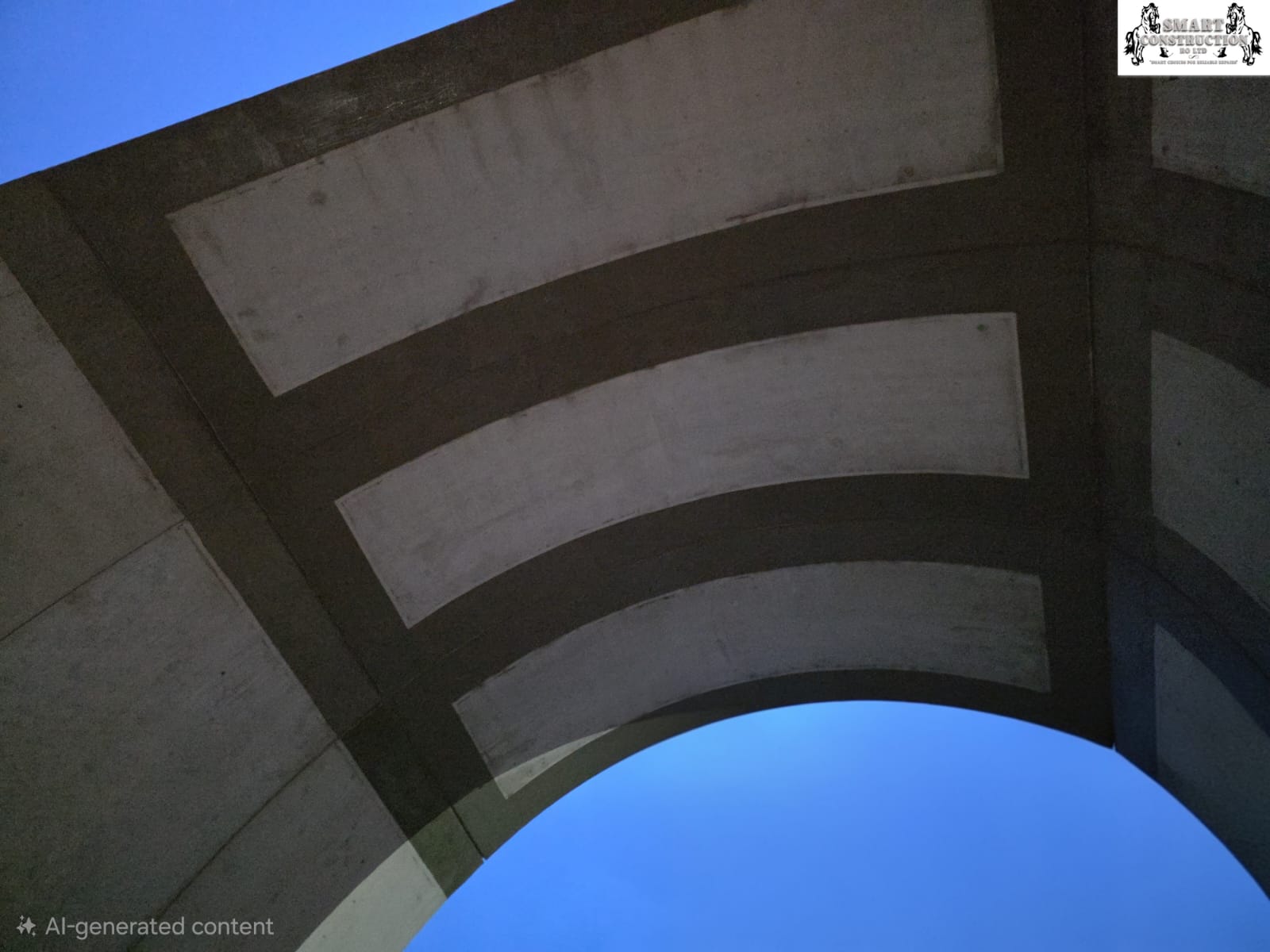
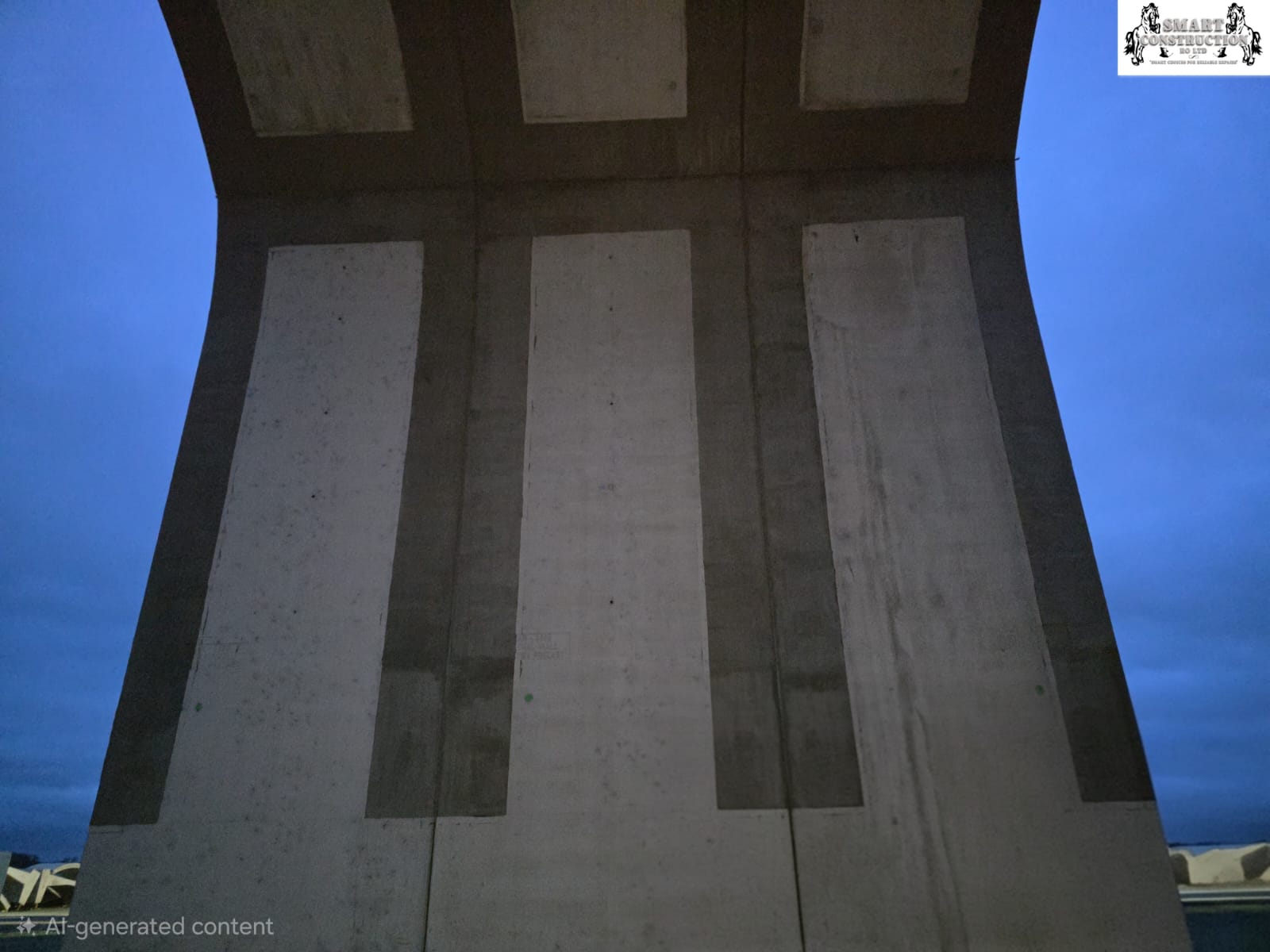
Concrete protective coatings play a vital role in preserving the strength, durability, and appearance of concrete structures across residential, commercial, and industrial environments. Concrete surfaces are constantly exposed to harsh conditions such as moisture, chemicals, UV radiation, abrasion, and temperature fluctuations, all of which can lead to deterioration over time. Applying protective coatings creates a barrier that shields the surface from these damaging elements, significantly extending the lifespan of the structure.

The process begins with proper surface preparation, which is essential for ensuring strong adhesion of the coating. This may involve cleaning, repairing cracks, removing contaminants, and profiling the surface to create an ideal bonding condition. Once prepared, various types of coatings can be applied depending on the specific requirements of the project, including epoxy coatings, polyurethane coatings, acrylic sealers, and cementitious coatings.

Each type of coating offers unique benefits. Epoxy coatings provide excellent resistance to chemicals and heavy wear, making them ideal for industrial floors and warehouses. Polyurethane coatings offer flexibility and UV resistance, making them suitable for outdoor applications. Acrylic coatings enhance appearance while providing basic protection, and cementitious coatings are often used for waterproofing and surface leveling.

In addition to protection, these coatings also improve the aesthetic appeal of concrete surfaces by providing a smooth, uniform finish that can be customized in terms of color and texture. They also reduce maintenance needs by preventing dusting, staining, and surface degradation.
Overall, concrete protective coatings are a cost-effective solution for enhancing performance, protecting against environmental damage, and maintaining the long-term integrity of concrete structures. Regular inspection and reapplication, when necessary, ensure continued protection and optimal performance over time.

Trusted By

Who We Work With

We provide specialist concrete services for:

  • Commercial Developments
  • Industrial Facilities
  • Precast Concrete Manufacturers
  • Contractors & Developers
  • Warehouses & Factories
  • Structural & Civil Engineering Projects

Why Choose Us

Why We’re Different

Concrete Specialists

Focused purely on concrete repair & finishing.

Flexcrete Approved

Industry-recognised repair systems.

why choose img 2
why choose img 3
why choose img 4

Reliable Delivery

On time, high quality, minimal disruption.

Commercial & Industrial

Proven experience on large projects.

Precast Expertise

Works in yards & on-site.

our work

Work Portfolio

OUR BLOG

Latest Insights

concrete finishing and repairs

Top Concrete Finishing Trends UK Property Owners Want in 2026

Modern construction methods evolve quickly to match changing aesthetic tastes and performance demands. Concrete is no longer hidden beneath thick layers of carpet or timber paneling. Instead, it has taken center stage as a highly desirable design element. UK property owners want surfaces that combine raw beauty with ultimate longevity. They demand advanced material finishes […]
How to Prevent Cracks in Concrete Structures Image

How to Prevent Cracks in Concrete Structures

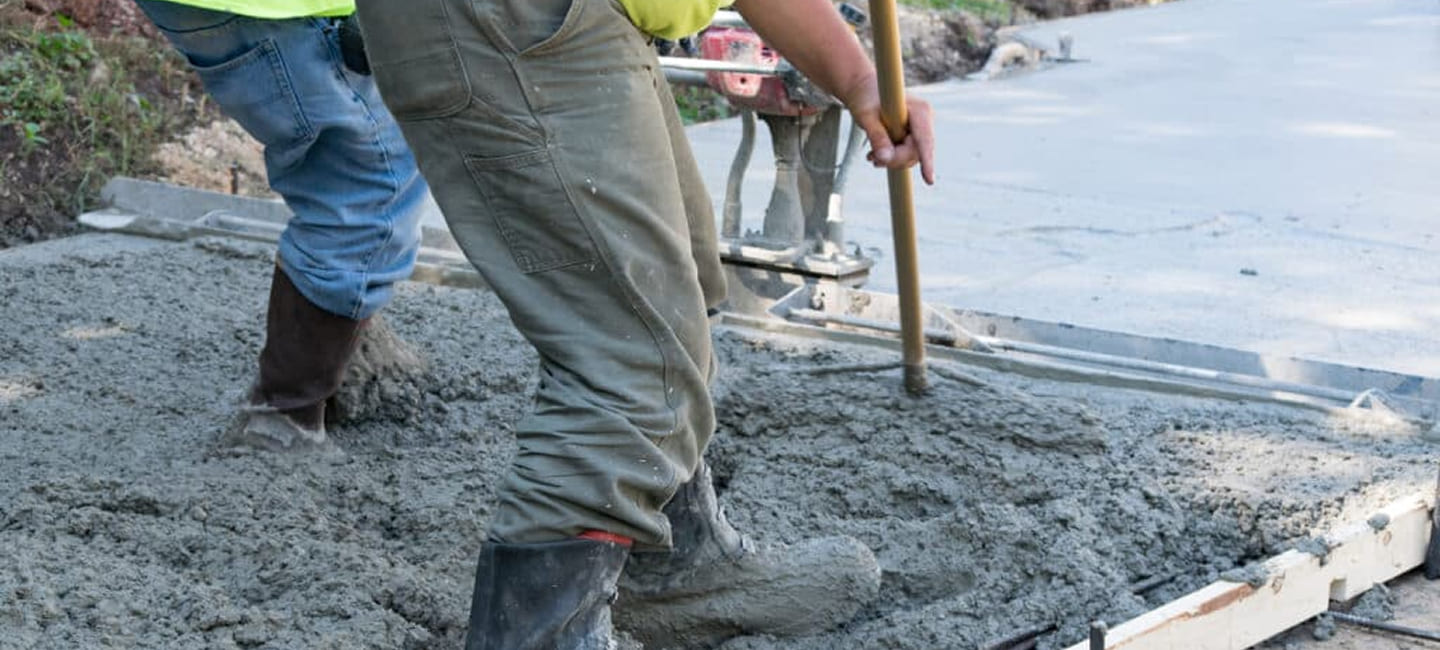
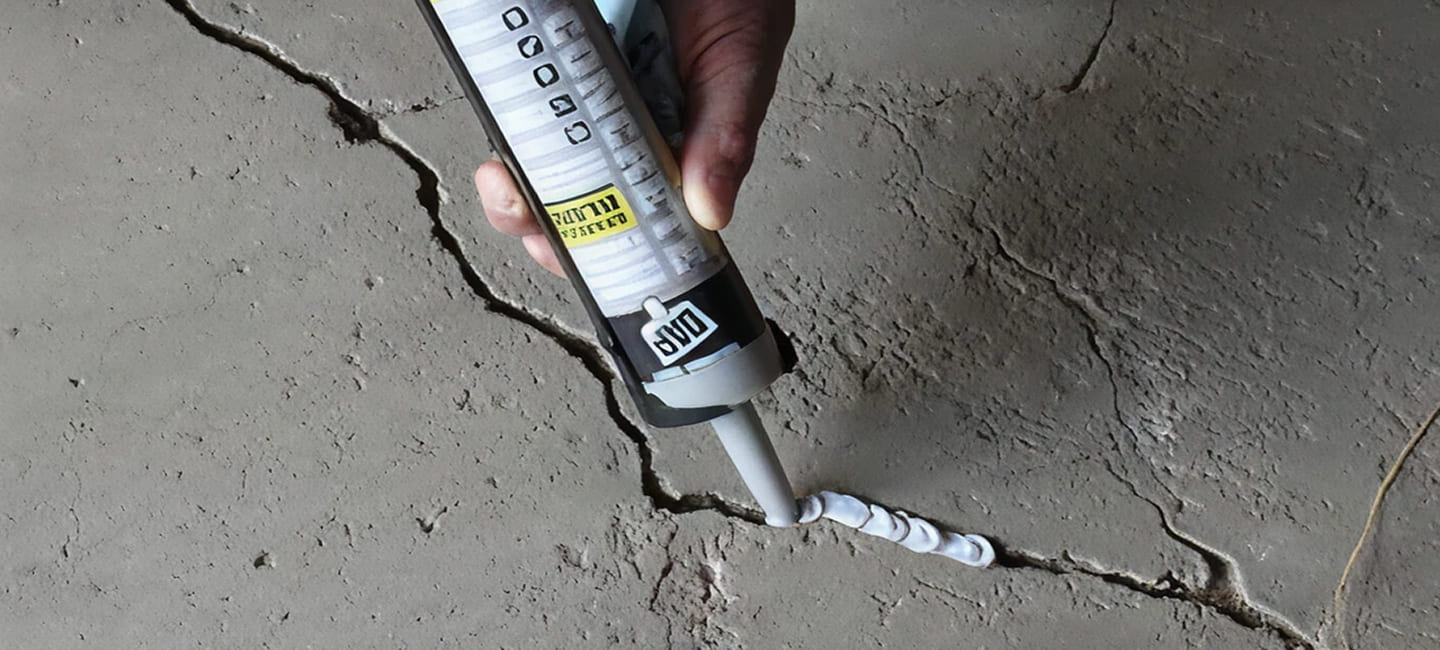
Preventing cracks in concrete structures isn’t about a single trick—it’s about controlling the entire lifecycle of the material, from design and mixing to placement and long-term maintenance. Concrete naturally wants to crack due to shrinkage, temperature changes, and loads, but good practices can minimize both the size and impact of those cracks. Start with proper […]
Diamond Cutting vs Core Drilling – What’s the Difference?

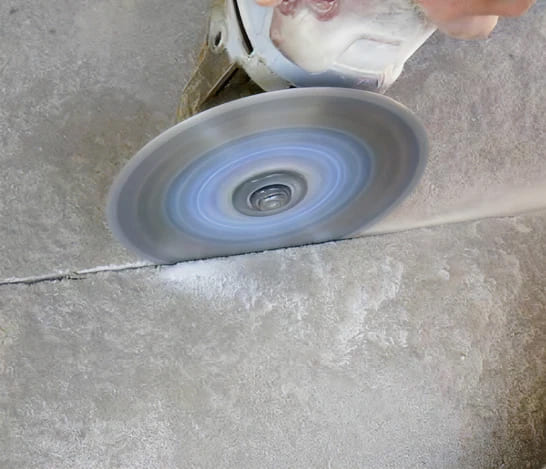
Diamond cutting and core drilling are closely related techniques used in construction and demolition, but they serve different purposes and are applied in different ways. Both rely on diamond-tipped tools—because diamond is extremely hard and capable of cutting through dense materials like reinforced concrete—but the methods, outcomes, and typical use cases differ significantly. Diamond cutting […]