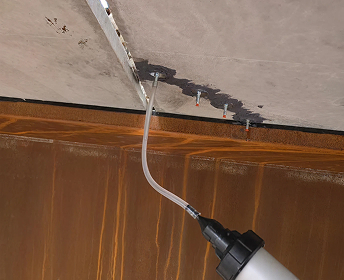
Concrete casting and concrete floor pouring is the controlled process of placing, finishing, and curing concrete to form structural or non-structural elements to the required shape, level, and performance specification. It is a fundamental activity in construction, used for everything from foundations and slabs to suspended floors and industrial hardstandings.
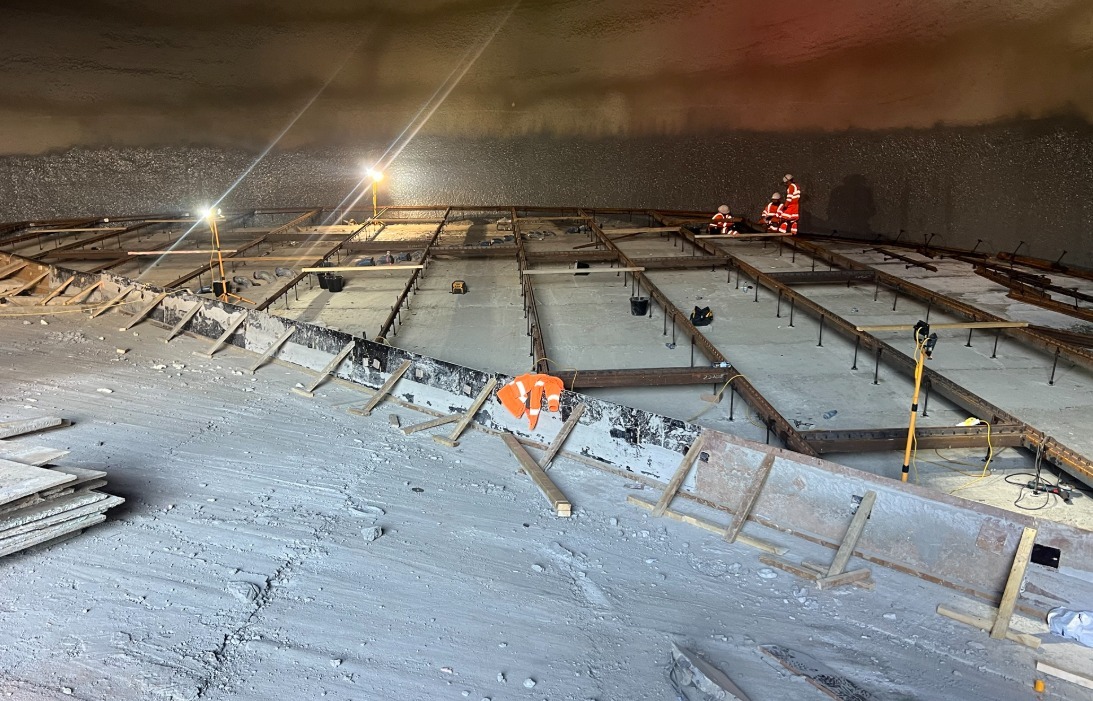
The process begins with planning and preparation. This includes reviewing drawings and specifications, setting out levels and dimensions, and ensuring that the sub-base or supporting structure is properly prepared. For ground-bearing floors, the formation is typically compacted and layered with sub-base material to provide a stable foundation. Damp-proof membranes, insulation, and reinforcement (such as steel mesh or rebar) are then installed as required. For suspended slabs, formwork and falsework systems are erected to support the wet concrete until it gains sufficient strength.
Formwork plays a key role in both casting and floor pouring. It defines the shape and dimensions of the concrete and must be strong, level, and properly aligned to prevent movement or deformation during the pour. Joints, edges, and penetrations are carefully detailed at this stage to ensure accuracy and performance.
Before placing the concrete, checks are carried out to confirm readiness. This includes verifying reinforcement positioning, cleanliness of the pour area, correct installation of services or inserts, and ensuring appropriate access for delivery equipment such as concrete pumps or chutes.
Concrete is then delivered to site, typically from a ready-mix supplier, and placed into position. The mix design is selected based on structural requirements, environmental exposure, and workability needs. During placement, the concrete must be handled carefully to avoid segregation and ensure even distribution.
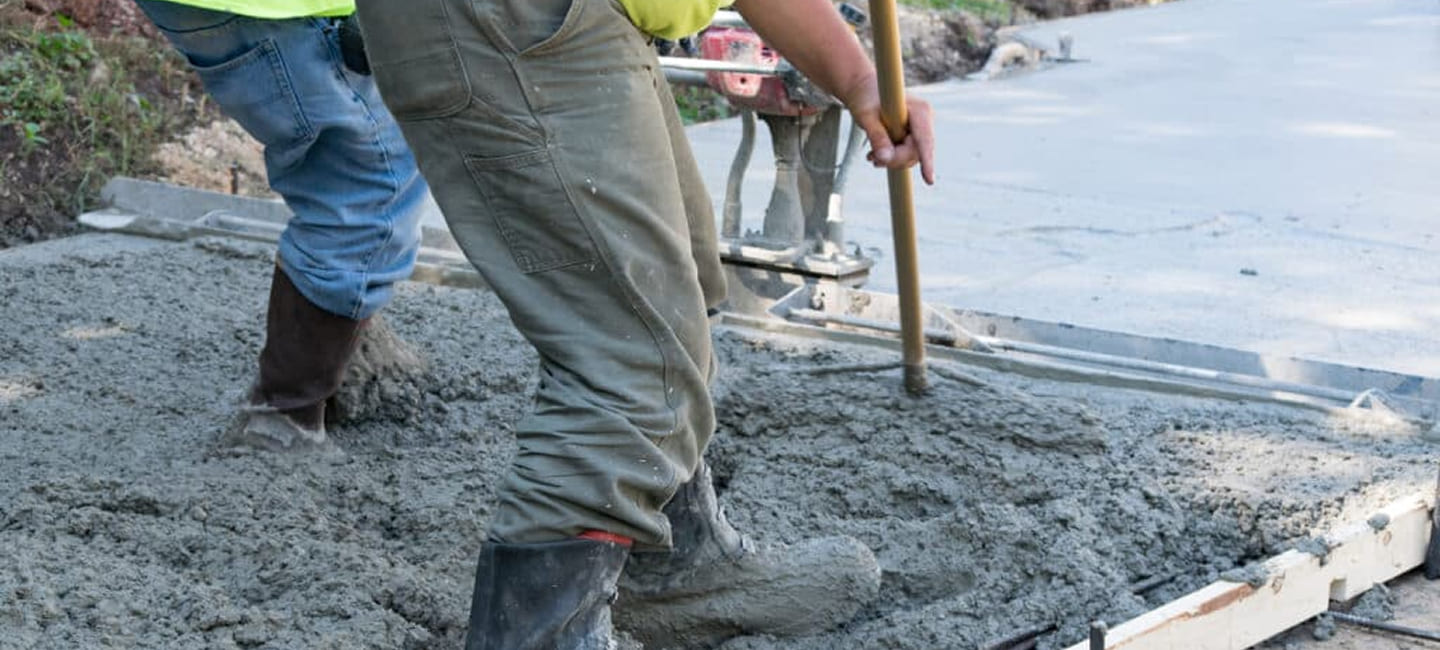
Compaction is a critical step. Mechanical vibrators are used to remove entrapped air and ensure the concrete fully surrounds reinforcement and fills all voids. Proper compaction improves strength, durability, and surface finish.
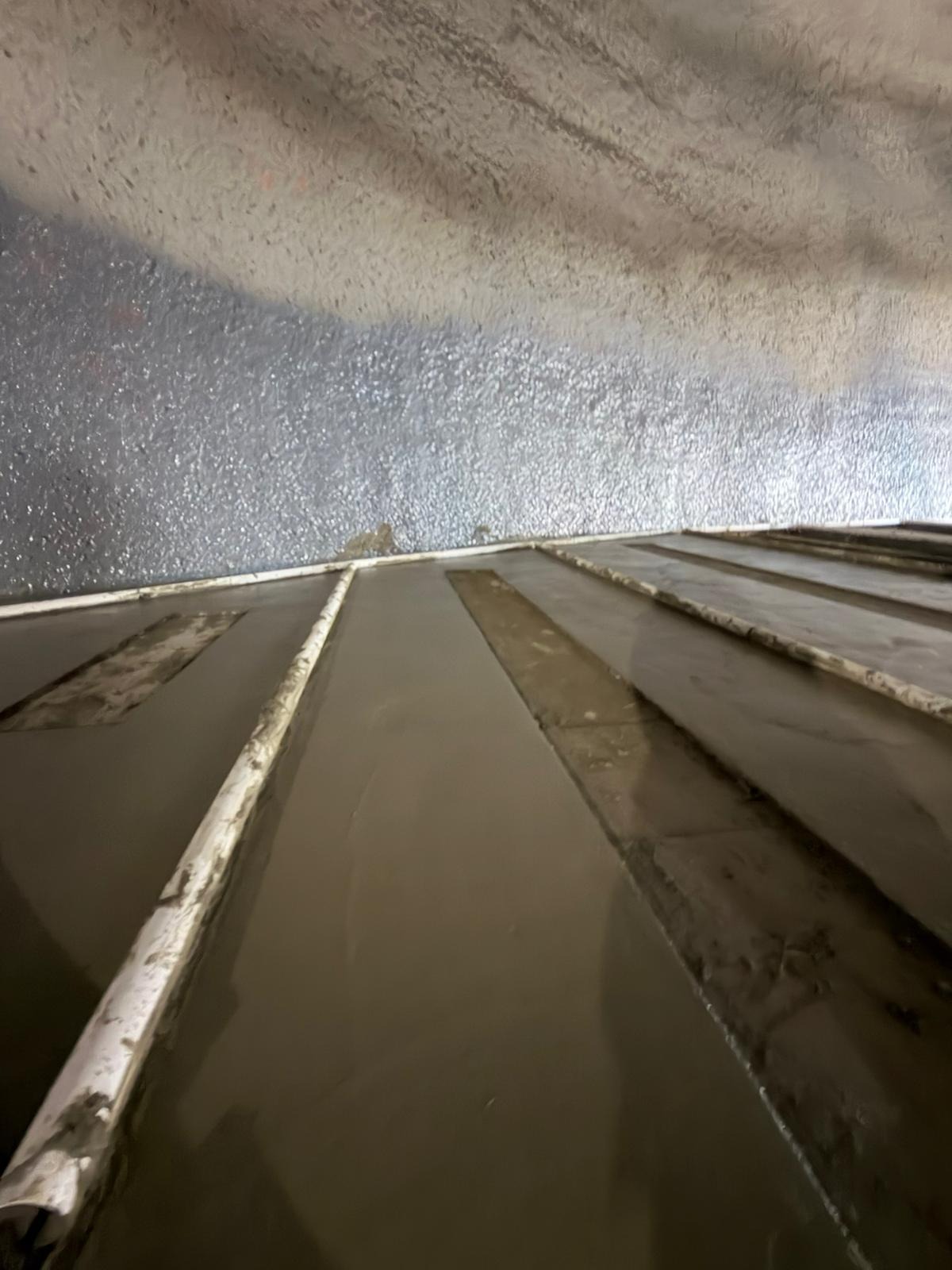
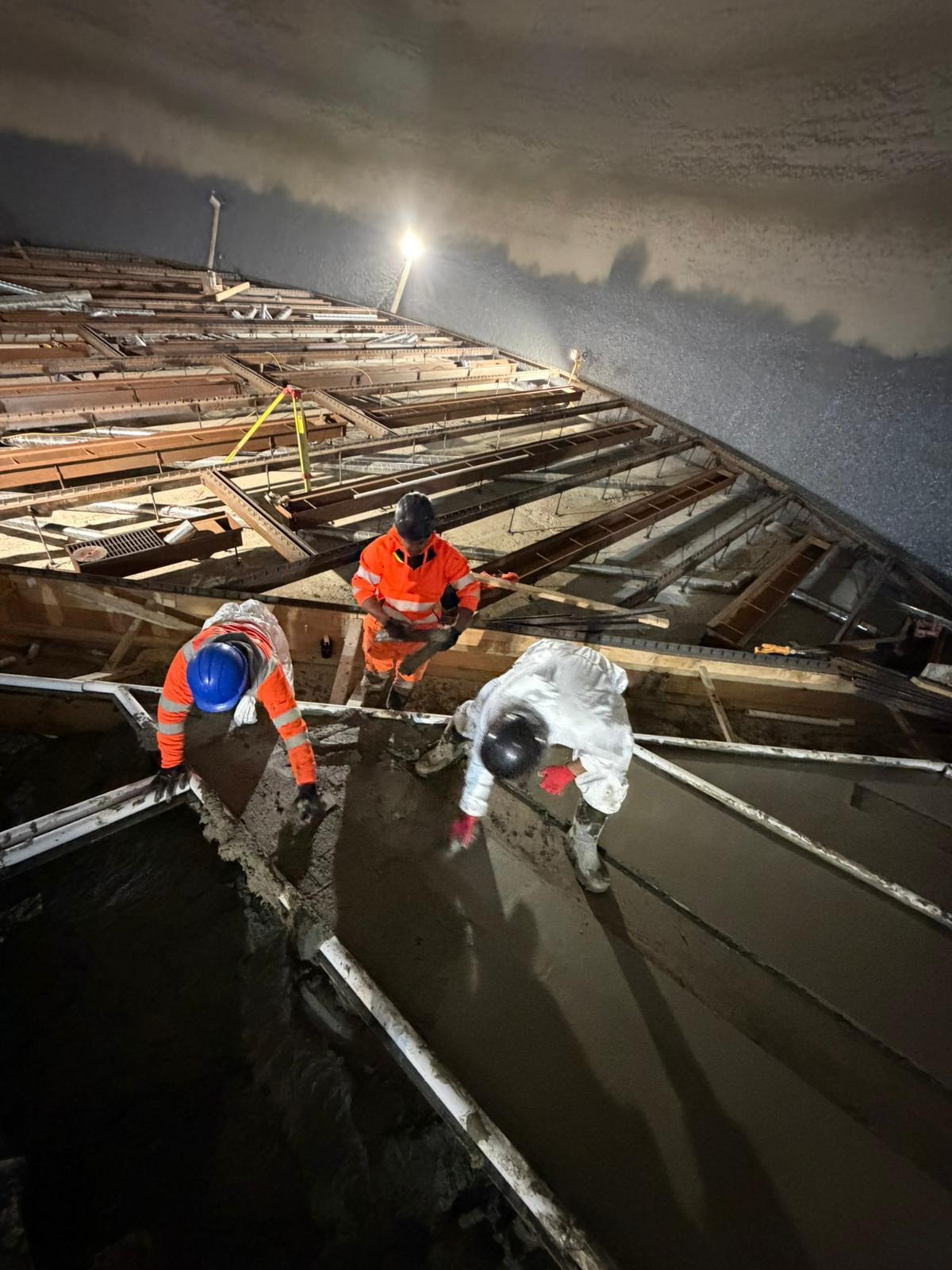
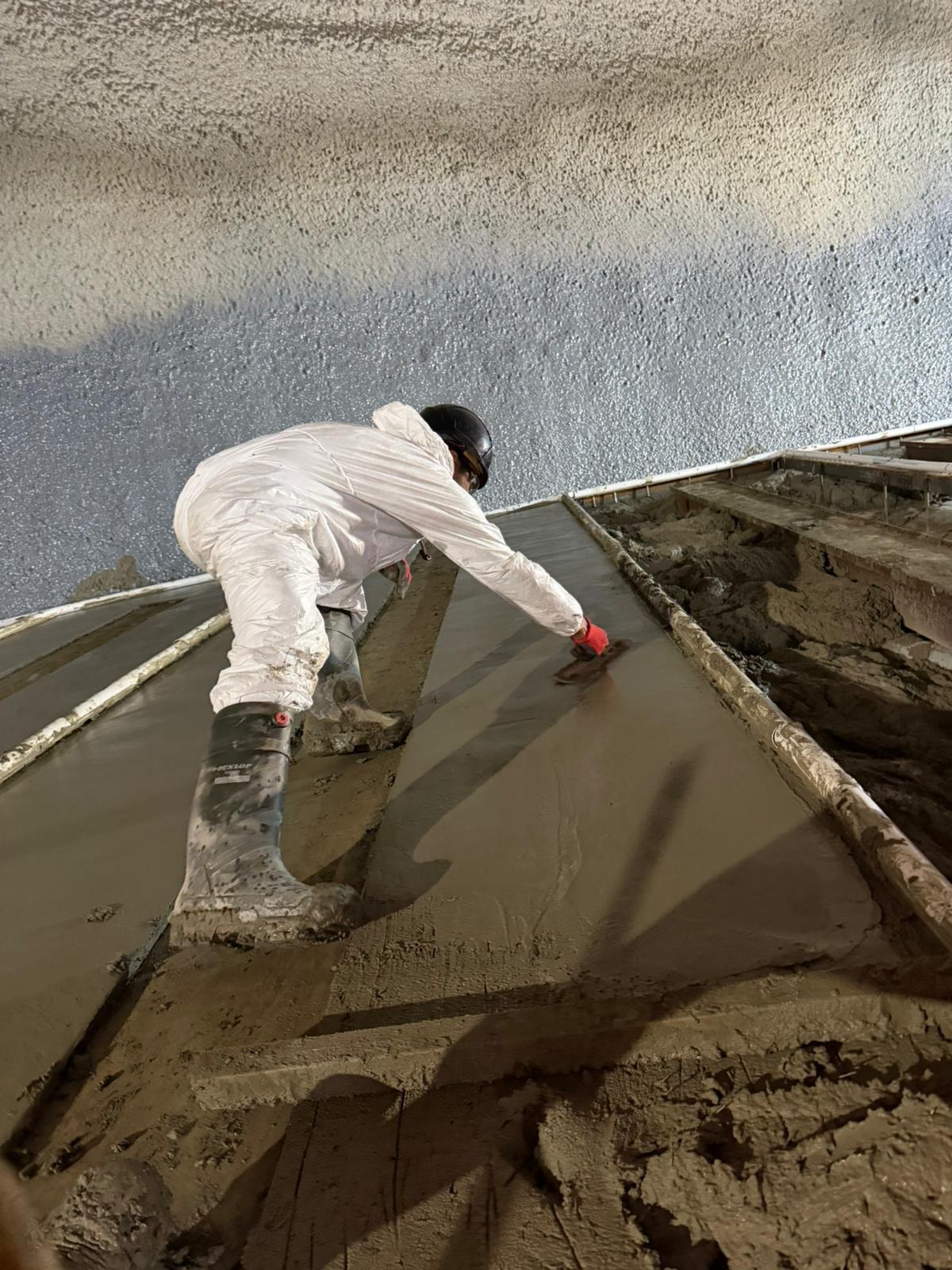
For concrete floors, levelling and finishing are particularly important. Once placed, the concrete is spread and levelled using screeds to achieve the required thickness and flatness. Power floating or hand trowelling is then carried out to create the desired surface finish, which may range from a basic tamped finish to a smooth, polished surface depending on the end use. Floor flatness and level tolerances are often tightly controlled, especially in industrial or commercial settings.
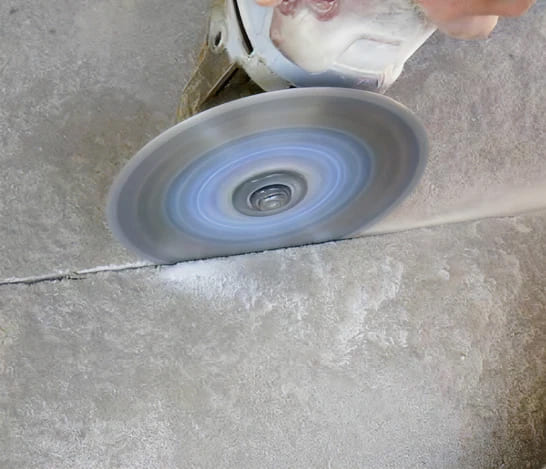
Joint installation is another key aspect of floor pouring. Construction joints, movement joints, and saw-cut control joints are introduced to manage shrinkage and thermal movement, reducing the risk of uncontrolled cracking. Timing and positioning of these joints are carefully planned to ensure effectiveness.
Curing is essential to the success of both casting and floor pouring. After finishing, the concrete must be protected to retain moisture and allow proper hydration of the cement. This is achieved through methods such as curing compounds, water curing, or protective coverings. Proper curing significantly enhances strength development, surface durability, and resistance to cracking.
Quality control is maintained throughout the process. This may include slump testing to check workability, cube or cylinder testing for compressive strength, and regular checks on levels, alignment, and finish. Any deviations are addressed promptly to ensure compliance with specifications.
Health and safety considerations are also critical, particularly when handling heavy equipment, wet concrete (which is alkaline and can cause burns), and working in large or busy construction environments.
In summary, concrete casting and concrete floor pouring is a precise and carefully managed construction process that transforms raw materials into durable, load-bearing elements. It requires thorough preparation, skilled execution, and strict quality control to achieve the required structural performance, finish, and longevity.