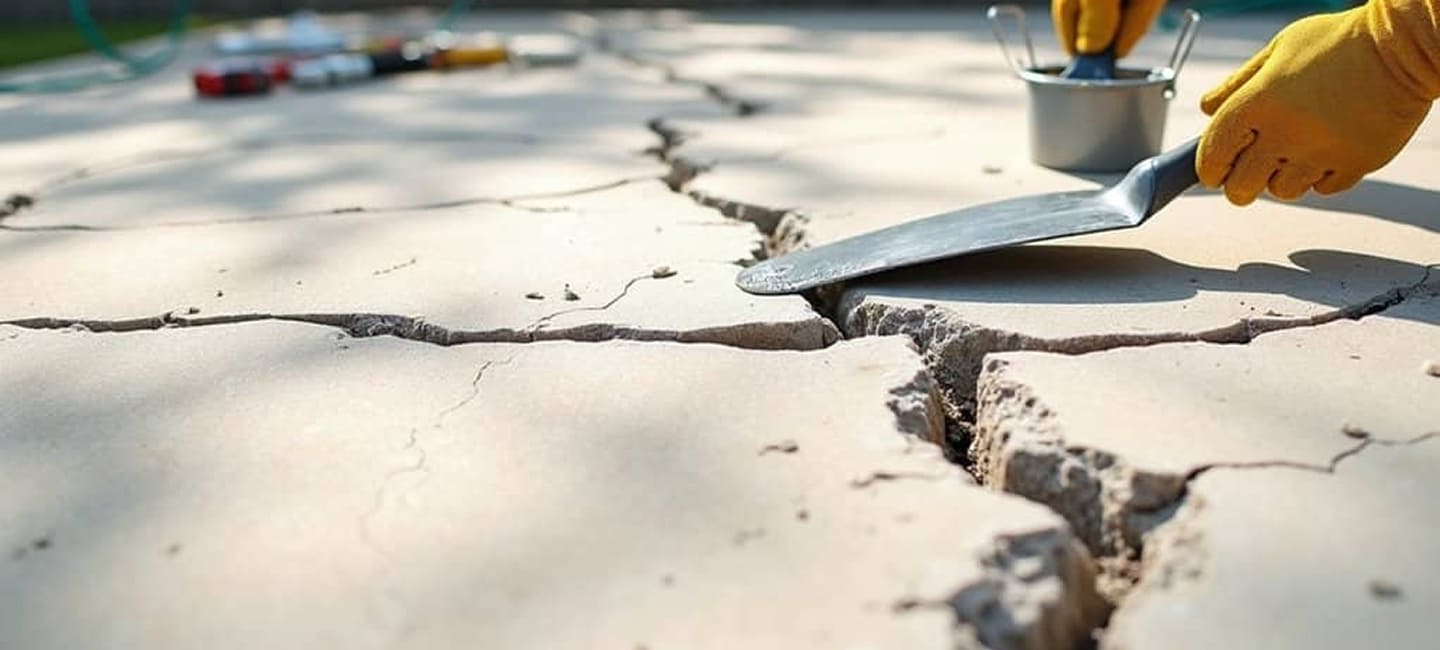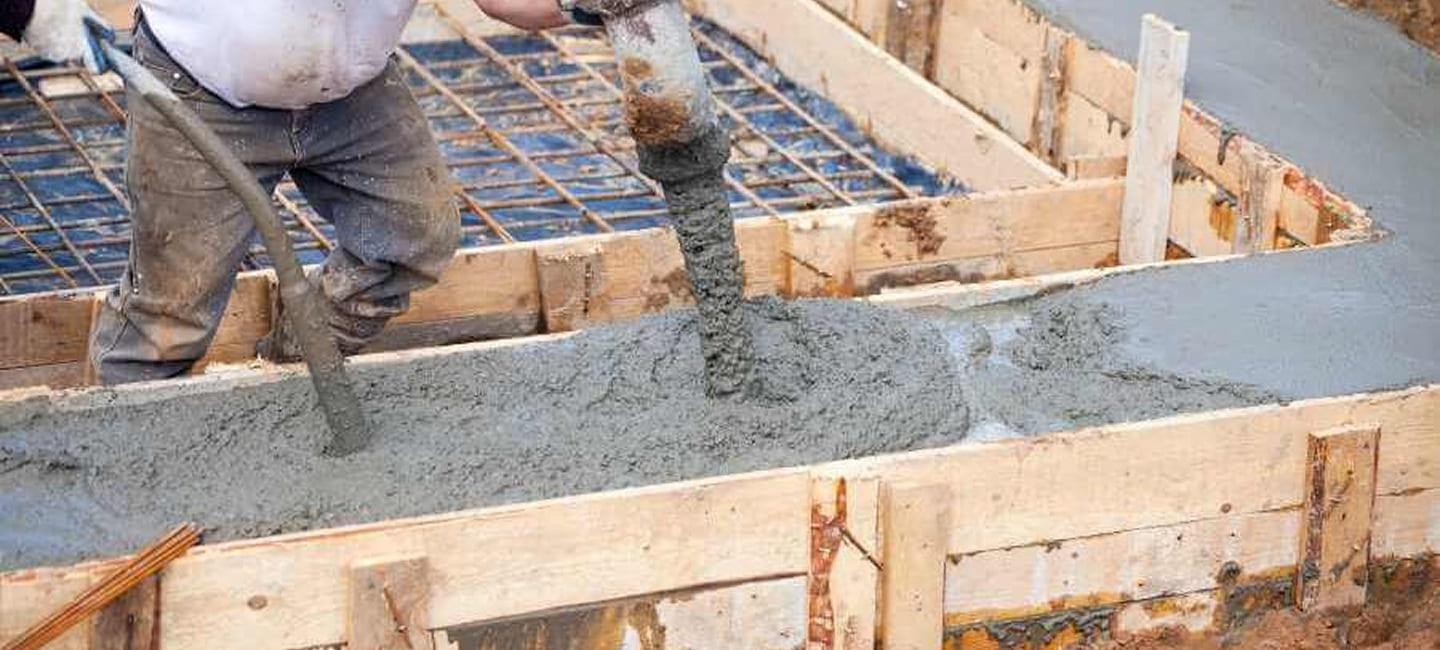
Cracks in concrete range from minor surface shrinkage to signs of structural movement, corrosion or water ingress. Appearance alone cannot always show the cause, and filling a crack before investigation can hide useful evidence without resolving the mechanism.
Property owners and facilities teams should record location, width, length, moisture and change over time, then seek professional assessment where risk or deterioration is suspected.
Smart Construction provides structural concrete repair and joint-sealing services for commercial and industrial assets across the UK.
Map the Crack Location
A crack through a non-structural topping has different significance from one crossing a beam, column, slab support or retaining wall. Record exactly where it starts and ends and what loads or joints are nearby. Location helps an engineer interpret whether the crack follows expected movement or a critical load path.
Measure Width and Monitor Change
Use consistent reference points and dated photographs rather than relying on memory. A narrow stable crack may need a different response from one that is widening or opening and closing. Monitoring should not delay urgent action where there is displacement, falling material or concern about structural capacity.
Look for Water Ingress
Damp staining, active leakage, efflorescence or rust-coloured deposits show that water is moving through or around the concrete. Water can transport contaminants and reach reinforcement. A surface seal may fail if pressure, drainage or movement is not addressed as part of the repair design.
Check for Spalling and Exposed Reinforcement
Concrete that sounds hollow, flakes away or exposes steel needs prompt assessment. Corroding reinforcement expands and can break away the surrounding cover, creating a falling-debris hazard and reducing durability. Loose areas should be managed safely while a repair specification is developed.
Consider Movement Joints
Cracking beside a joint may indicate failed sealant, restrained movement or poorly detailed edges. Filling the crack rigidly can transfer movement elsewhere. The contractor should understand how the slab or structure is intended to move and choose compatible joint and crack treatments.
Review Loads and Recent Changes
New machinery, racking, vehicle routes, excavation, impacts or changes in drainage can alter conditions. Provide the assessor with drawings, maintenance history and details of recent work. A repair is more reliable when its cause is understood rather than selected from crack width alone.
Use the Right Investigation
Assessment may involve visual survey, hammer testing, crack monitoring, cover checks, sampling or engineering analysis depending on risk. Not every crack needs extensive testing, but safety-critical structures deserve evidence proportionate to the potential consequence of failure.
Match the Repair to the Cause
Resin injection, routing and sealing, flexible systems, patch repairs and structural strengthening serve different purposes. Preparation, moisture condition and material compatibility determine performance. A repair specification should define the objective, method and quality checks, not simply instruct a contractor to make the crack disappear.
What to Prepare Before Requesting a Quotation
A useful quotation begins with accurate information. Photos and measurements can help an initial conversation, but they do not replace a survey where condition, access, compliance or hidden construction affects the recommendation. Prepare:
- the outcome you want and the problem you need to solve
- relevant photographs, drawings, manuals or previous reports
- known defects, changes and earlier repair or installation history
- access limits, operating hours and important programme dates
- questions about scope, exclusions, warranties and aftercare
Arrange a Concrete Condition Assessment
Smart Construction can help investigate concrete cracking, prepare surfaces and deliver appropriate repair systems. Commercial property owners should involve a structural engineer where cracking may affect capacity, stability or other safety-critical performance.