Concrete looks easy once it’s down. Getting there without cracks or dips? That’s the hard part. That’s the job of a concrete finishing contractor. Pick the wrong one, and you won’t know it for months.
This guide covers what actually separates a solid contractor from a risky one. Doesn’t matter if it’s a warehouse floor or a home driveway.
What Does a Concrete Finisher Actually Do?
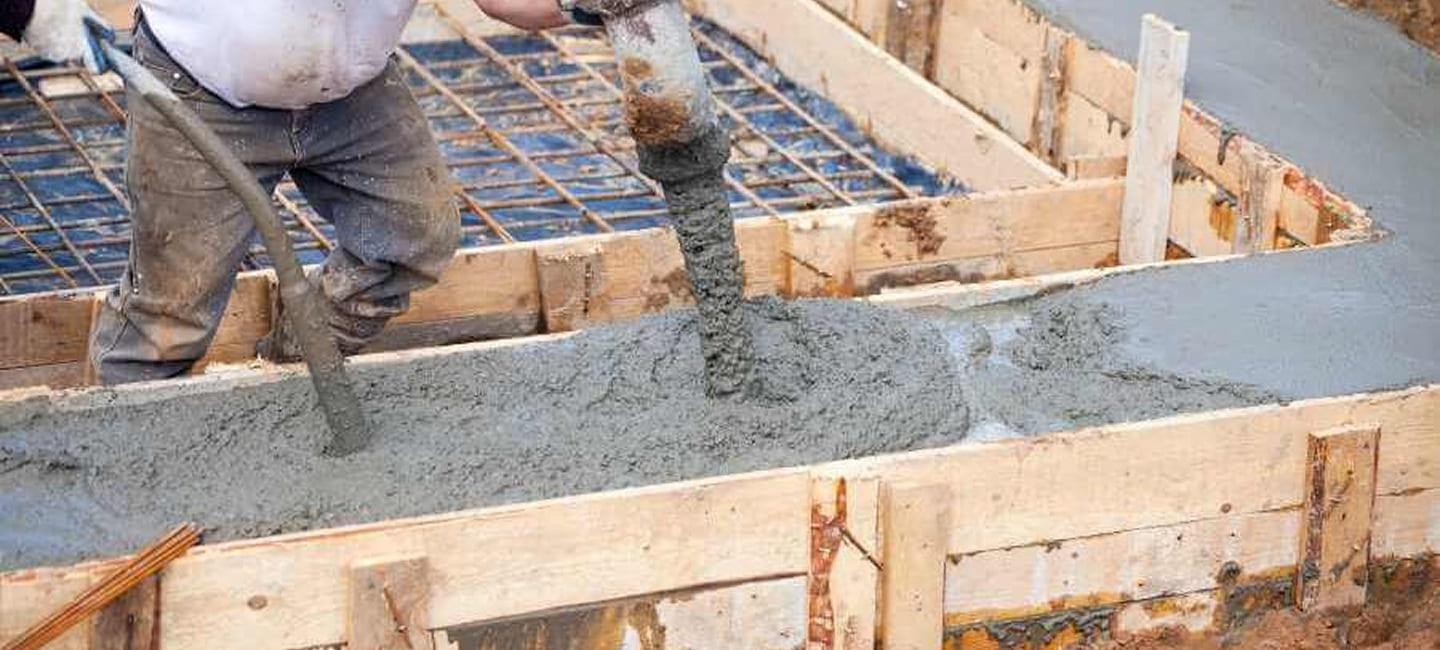
Finishing happens while the concrete is still wet. This stage decides how flat and strong the surface ends up.
A good crew will usually:
- Level the surface before it sets.
- Add texture, or a smooth power-floated shine.
- Watch the weather. Heat and cold both change how fast concrete cures.
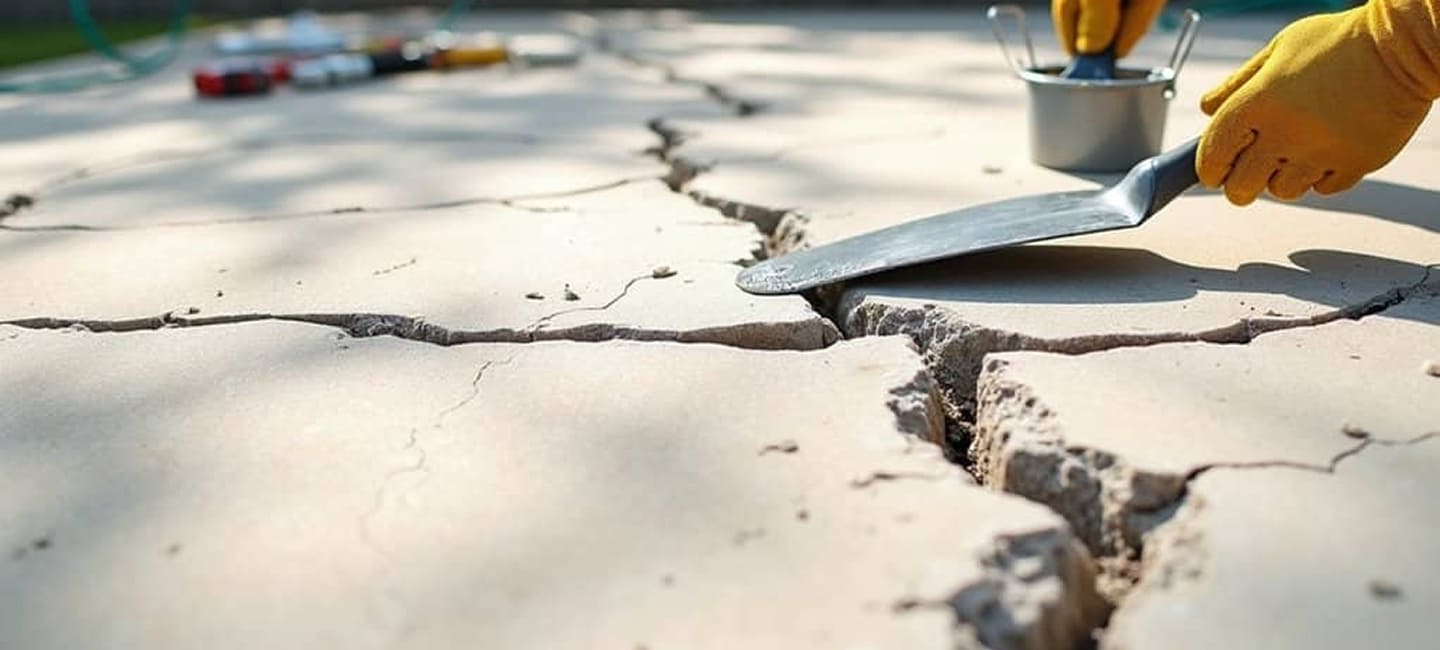
- Check the joints so the slab won’t crack early.
Skip this step, and repairs often follow within a year. Get it right, and the floor can outlast the building. It’s not glamorous work, but it’s the difference between a floor that lasts decades and one that needs patching every winter.
Searching for Concrete Finishing Contractors Near Me? Start Here
Typing concrete finishing contractors near me gives you a list. Not an answer. Here’s what actually matters.
- Ask for real project photos. Not stock images. Real work speaks for itself.
- Ask about accreditations. CSCS cards. CHAS. Constructionline. These are the usual UK markers.
- Ask about material approvals. Some firms, like Smart Construction RO LTD, work under approved systems from brands such as Flexcrete. That means proper training, not guesswork.
- Ask who’s actually on site. Some companies subcontract everything. Others keep their own crew on the tools.
Takes five minutes to ask. Most people never bother.
Residential vs Commercial: Not the Same Job
Most searches lump every concrete job together. But a driveway isn’t a warehouse floor. Different risks. Different priorities. This is exactly where concrete contractors for residential projects UK homeowners search for need to think differently than a big industrial firm would.
Residential work usually means:
- Tighter access, since gardens, drains, and fences sit close by.
- A finish that fits daily life. Nobody wants a slippery patio near the back door.
- Smaller scale, but the prep still matters just as much.
Commercial and industrial work usually means:
- Heavier loads, especially where forklifts run all day.
- Downtime that costs real money, so speed counts.
- Bigger crews and bigger machines from the start.
The best concrete contractors for residential projects UK homeowners hire still understand the commercial side too. The core skills don’t change, even when the stakes look different.
What Should Concrete Finishing Cost in the UK?
Prices shift with size, finish, and site access. Roughly speaking:
- A plain slab: £65 to £85 per square metre.
- Decorative finishes: up to £150 per square metre.
- Commercial floors: usually priced per project, not per metre, since access and reinforcement change the sum.
A proper written quote breaks down labour, materials, and finish type. One flat number with no detail behind it? That’s a red flag on its own.
Red Flags to Watch For
A few warning signs pop up again and again.
- No fixed quote, just a vague “it depends.”
- No past clients they’re willing to name.
- A rushed schedule that ignores curing time.
- Zero mention of joint sealing on bigger slabs.
If a contractor brushes off these points, take that as your answer. It’s easier to walk away before the pour than to argue about it after.
Why Smart Construction RO LTD Gets the Call
Smart Construction RO LTD works out of Worksop, Nottinghamshire. The team handles concrete finishing and repair on commercial and industrial sites right across the UK, including precast yards.
- Approved Flexcrete contractor status. Real training on real systems, not improvised fixes.
- One team covers finishing, repair, joint sealing, crack repair, structural repair, diamond cutting, core drilling, resin fixing, and coatings. No juggling five different subcontractors.
- Direct work with precast manufacturers and commercial developers, not just small one-off jobs.
- Safety first, and minimal disruption on live sites.
Got a job that sits between “just needs finishing” and “needs real structural work”? That mix of skills tends to save time and money. It also means fewer people walking around your site, which matters more than people expect once the work actually starts.