Multi-storey and podium car parks are exposed to rain, vehicle loads, de-icing salts, oil, movement and constant abrasion. Water penetrating cracks and failed joints can damage reinforcement, leak into occupied areas and create slippery or degraded surfaces.
Waterproofing is therefore part of a wider asset-maintenance strategy. Coatings, joints, drainage and concrete repairs need to work together, with traffic management and curing planned around continued operation.
Smart Construction delivers concrete repair, joint sealing and waterproofing services for commercial sites across the UK.
Water Reaches Reinforcement
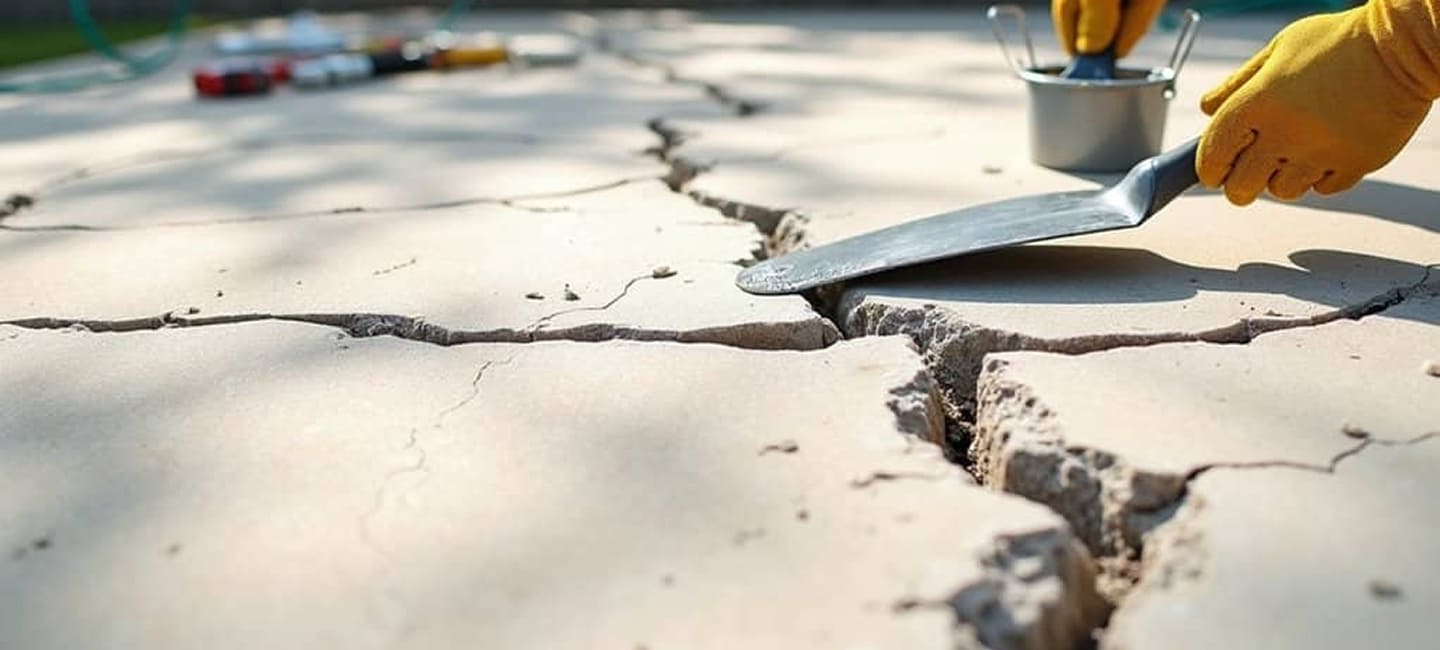
Cracks, porous concrete and failed membranes allow water and chlorides to reach embedded steel. Corrosion products expand, causing delamination and spalling. Treating only the visible surface damage can leave contamination and water paths active, so condition assessment should define the full repair area.
Joints Are Critical Weak Points
Decks move with temperature, loading and structural behaviour. Expansion and construction joints must accommodate that movement while resisting water and traffic. Hardened, split or debonded sealants create direct leakage routes. Replacement requires correct joint preparation, geometry and compatible primers and sealants.
Drainage Must Work with the Membrane
Ponding water increases exposure and can exploit small defects. Outlets, channels and falls should be inspected alongside the coating system. A new membrane cannot compensate for blocked drains or low spots, and drainage repairs may need to precede waterproofing.
Surface Preparation Determines Adhesion
Oil, rubber deposits, weak laitance and old coatings can prevent a new system bonding. Preparation may include mechanical methods, cleaning and local repairs, followed by moisture and surface checks. Skipping this stage to reduce closure time often shortens the service life of the installation.
Choose Systems for Real Traffic
Ramps, turning circles, parking bays and pedestrian routes experience different wear and slip risks. The coating build-up, aggregate and line markings should reflect those zones. A single thin coating across every area may not provide adequate crack bridging, durability or texture.
Coordinate Concrete Repairs First
Spalled areas, exposed steel and moving cracks need suitable repair before the waterproof layer is applied. Patch edges, curing and compatibility influence the final membrane. Repairing through a newly installed coating creates weak interfaces and unnecessary disruption, so sequencing matters.
Plan Traffic and Business Continuity
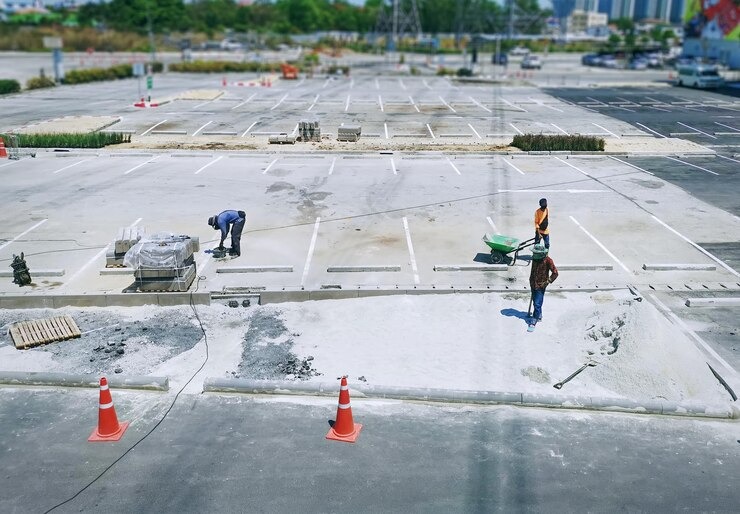
Car parks often remain partly operational during work. Phasing, vehicle routes, pedestrian separation, noise, dust, ventilation and curing times need a clear plan. Users should receive timely information, while the contractor protects completed zones from early trafficking or contamination.
Inspect and Maintain After Completion
Regular cleaning and inspection can identify local wear, joint damage and impact before water reaches the deck. Keep system information, warranty conditions and repair records. Prompt local maintenance is usually less disruptive than allowing small defects to spread across a busy commercial car park.
What to Prepare Before Requesting a Quotation
A useful quotation begins with accurate information. Photos and measurements can help an initial conversation, but they do not replace a survey where condition, access, compliance or hidden construction affects the recommendation. Prepare:
- the outcome you want and the problem you need to solve
- relevant photographs, drawings, manuals or previous reports
- known defects, changes and earlier repair or installation history
- access limits, operating hours and important programme dates
- questions about scope, exclusions, warranties and aftercare
Plan Commercial Car Park Repairs
Smart Construction can coordinate concrete repairs, joint sealing and waterproofing for car park decks and related structures. A survey-led scope helps property managers prioritise water paths, damaged concrete and high-wear areas within a practical programme.