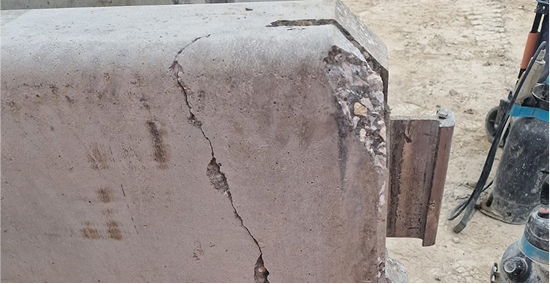
Concrete looks solid and impermeable, but in reality it behaves more like a dense sponge at the microscopic level. Tiny capillaries and pores run throughout the material, allowing water and dissolved substances to penetrate over time. Waterproofing is critical because it limits this ingress, protecting the concrete from internal damage that can significantly shorten its service life.
One of the primary threats is the freeze-thaw cycle. When water enters concrete and temperatures drop, it freezes and expands. This expansion creates internal pressure that gradually forms cracks, which then allow even more water to enter. Repeated cycles can lead to surface scaling, spalling, and eventual structural weakening. Effective waterproofing reduces the amount of water that can infiltrate, minimizing this destructive process.
Another major concern is the corrosion of steel reinforcement. Most structural concrete contains embedded steel bars (rebar), which are protected initially by the concrete’s alkaline environment. However, when water carries oxygen, carbon dioxide, or chlorides into the concrete, it can trigger chemical processes such as carbonation and chloride attack. These processes reduce the protective alkalinity and initiate rusting of the steel. As steel corrodes, it expands, exerting pressure on the surrounding concrete and causing cracking, delamination, and eventual failure. Waterproofing acts as a barrier, slowing or preventing the movement of these harmful agents.
Water ingress also contributes to chemical deterioration. In aggressive environments—such as industrial sites or coastal areas—water can transport sulfates and other chemicals into the concrete. This can lead to reactions like sulfate attack, which weakens the internal structure of the material. Over time, this reduces strength and durability, making the structure more vulnerable to loads and environmental stress.
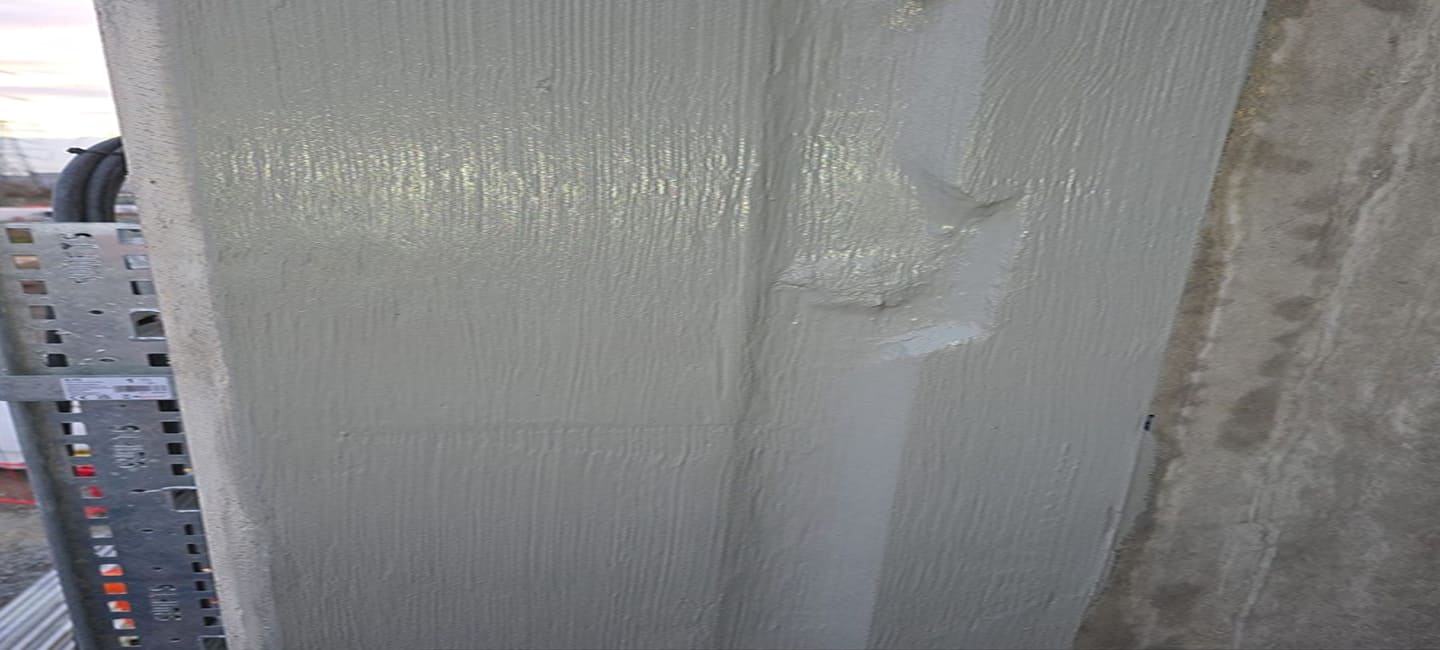
Beyond structural damage, moisture can create practical and economic problems. Persistent dampness leads to mold growth, staining, and deterioration of finishes in buildings. In below-ground structures like basements, tunnels, and foundations, water penetration can cause leaks and hydrostatic pressure buildup, which may force cracks to widen. Waterproofing systems—such as membranes, coatings, or integral admixtures—help maintain a dry environment and protect both the structure and its usability.
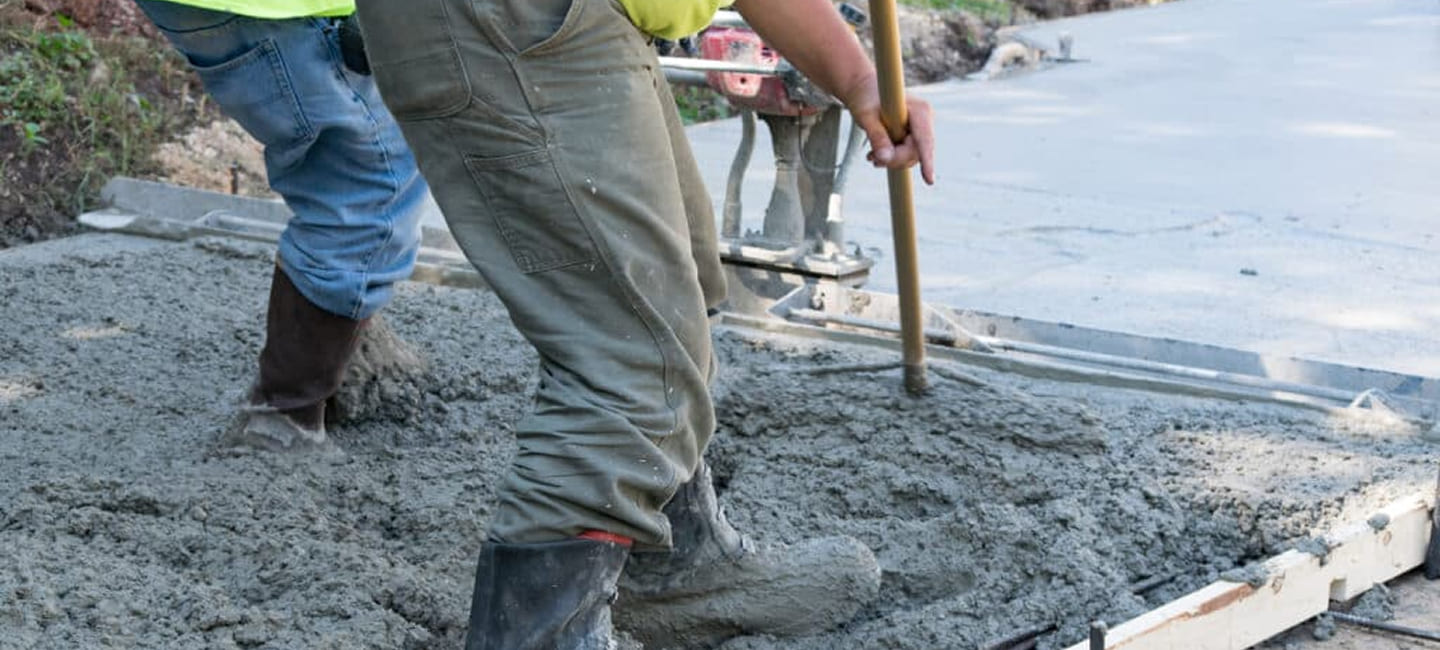
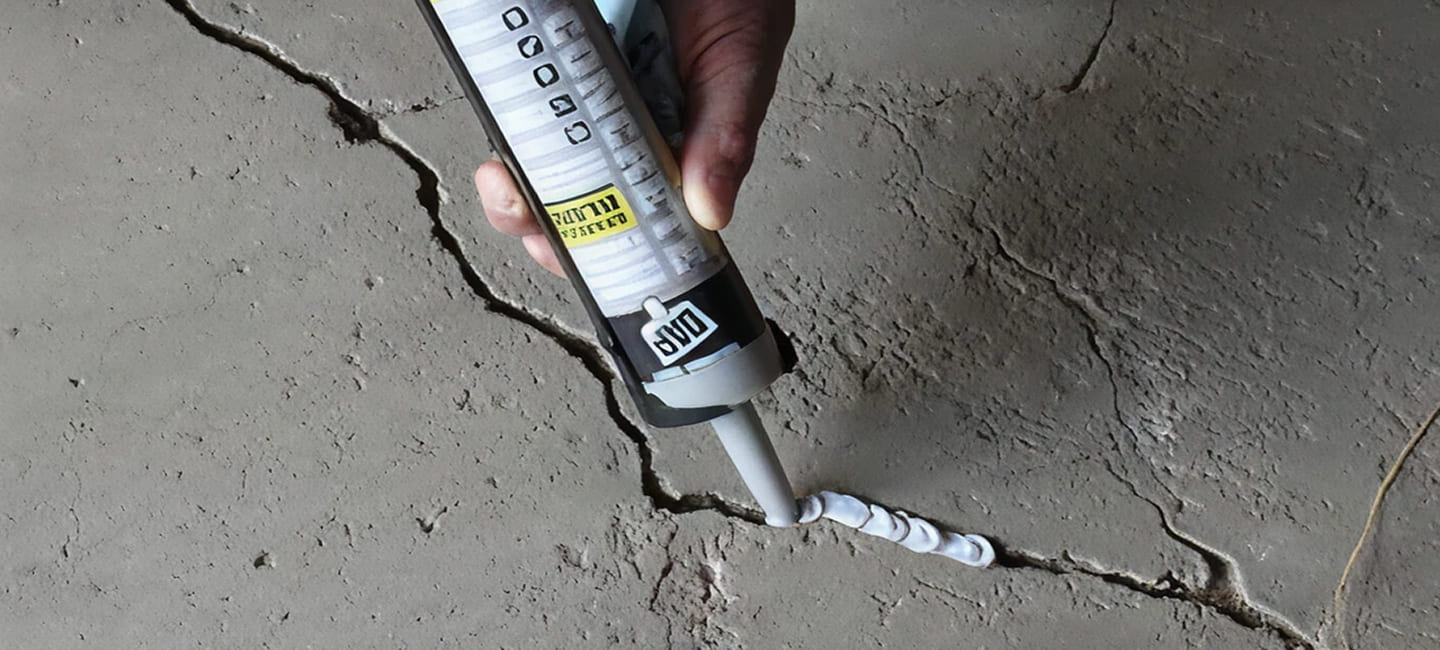
The timing of waterproofing is just as important as the method. Applying waterproofing during construction—whether through integral additives in the mix or external membranes—provides the most comprehensive protection. However, existing structures can also benefit from remedial waterproofing, including sealants and surface treatments that block or redirect water flow.
It’s also worth noting that waterproofing works best alongside good construction practices. Proper curing, adequate cover over reinforcement, well-designed drainage systems, and correctly placed joints all contribute to reducing water exposure. Waterproofing is not a standalone fix but part of a broader durability strategy.
In essence, water is one of the most persistent and damaging elements affecting concrete. Without protection, it exploits the material’s natural porosity, triggering physical, chemical, and mechanical deterioration. By limiting water ingress, waterproofing preserves structural integrity, extends lifespan, reduces maintenance costs, and ensures that concrete structures perform as intended over decades.